The bottle sits on your shelf, your scalp tingles the second you rub it in, and you cannot tell whether that means it is working or just means mint. This guide to mielle rosemary mint oil gives you 12 plain tips on reading the label, using it gently and knowing what to expect. Start at number one tonight, before you open the bottle again.
1. Read the label from the top down
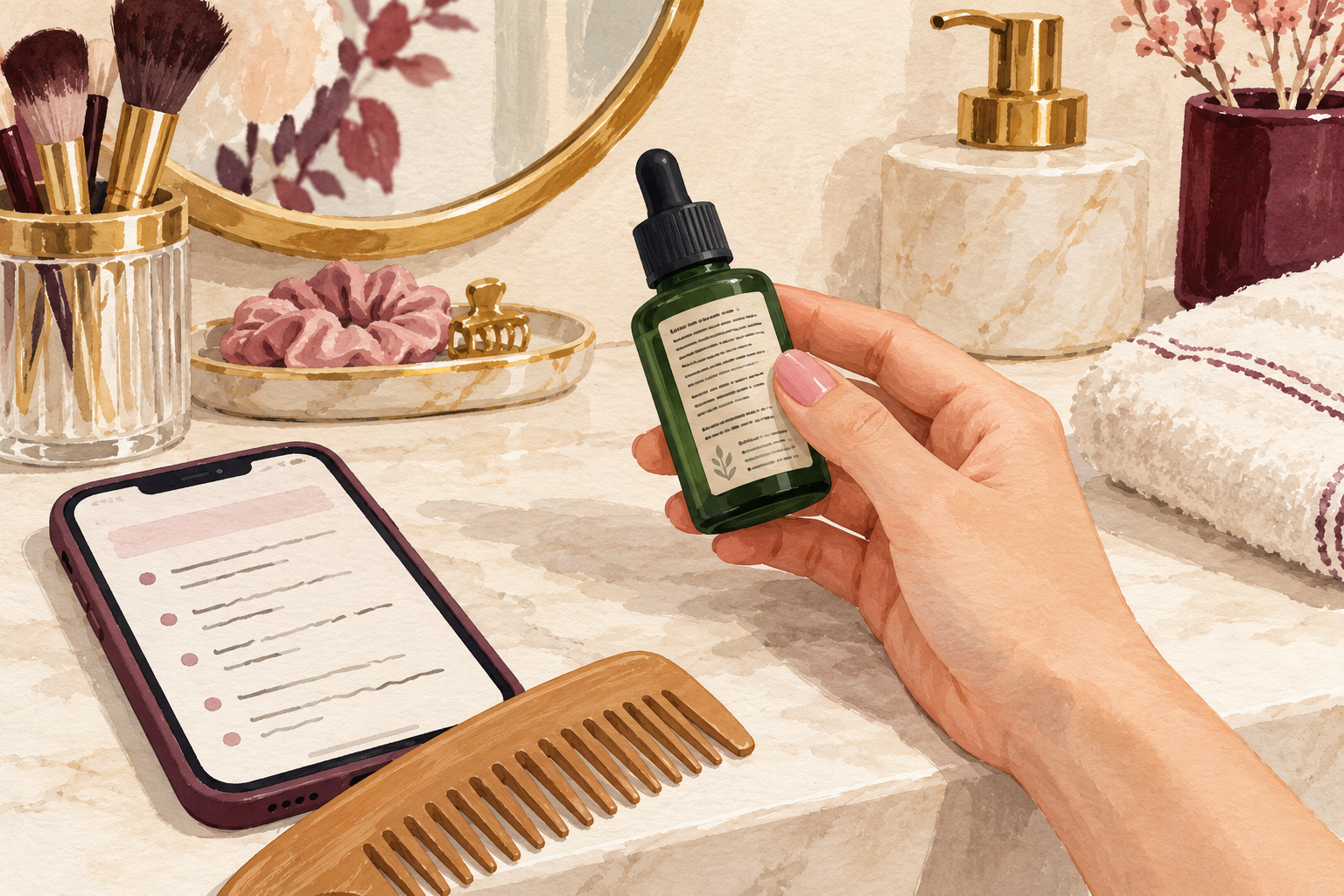
Turn the bottle around and read the ingredients in order, because the list runs from the most of something to the least. The first few names are usually ordinary plant oils, and they do the slippery, sealing work you expect from any oil. That is not a bad thing, since plain oils soften hair and slow water loss. It does tell you that mielle rosemary mint oil is mostly an oil and not a treatment. Check the order on your own bottle, because formulas can change between batches. Copy the first five names into your notes app so you can compare with any bottle you buy later.
2. Notice where the rosemary and mint sit
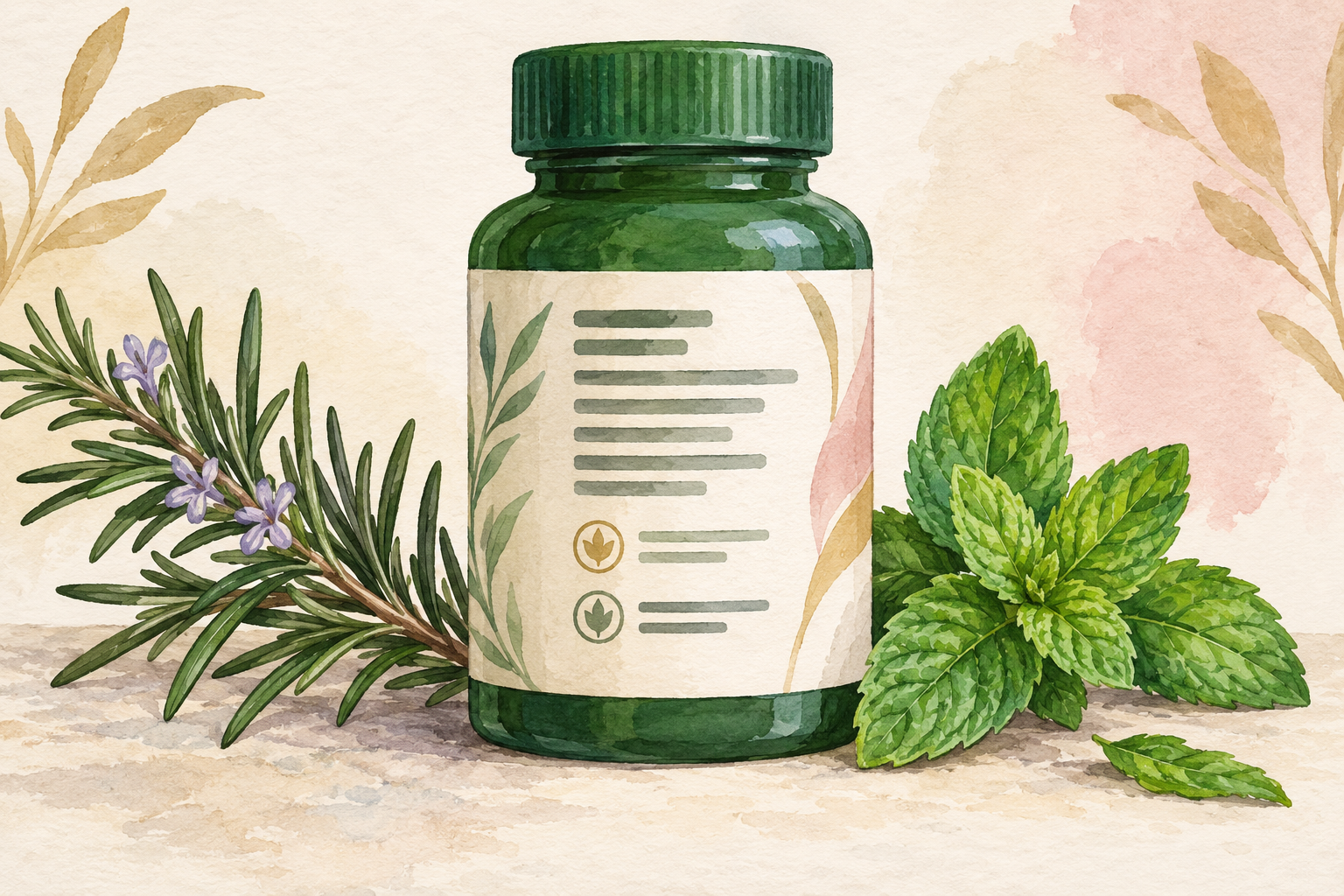
Find rosemary and peppermint on the list and see how far down they are. Position tells you rank, not amount, and essential oils are strong, so a little goes a long way in any blend. Neither is the main ingredient by volume, so do not expect a big dose of herb in every drop. Read the name as a theme and a scent, with the herbs adding aroma and a cool feel. That is a fair thing to enjoy, as long as you do not expect it to behave like a medicine. Give it a sniff before each use, and if the smell ever turns sharp or sour, the oil has gone off.
3. Understand why it tingles

Expect a cool, awake feeling from the mint, and treat it as a feeling and not a result. Menthol and similar ingredients make the skin feel cool, and some blends add something that creates a little warmth. A mild tingle in the first minute is common. Burning, stinging or itching that lingers is your cue to wash it off with shampoo and warm water. A tingle does not prove your hair is growing, and no tingle does not mean the oil is wasted. Judge the oil by how your scalp and hair feel next week, once the first excitement of the cool feeling has worn off.
4. Match it to your scalp first
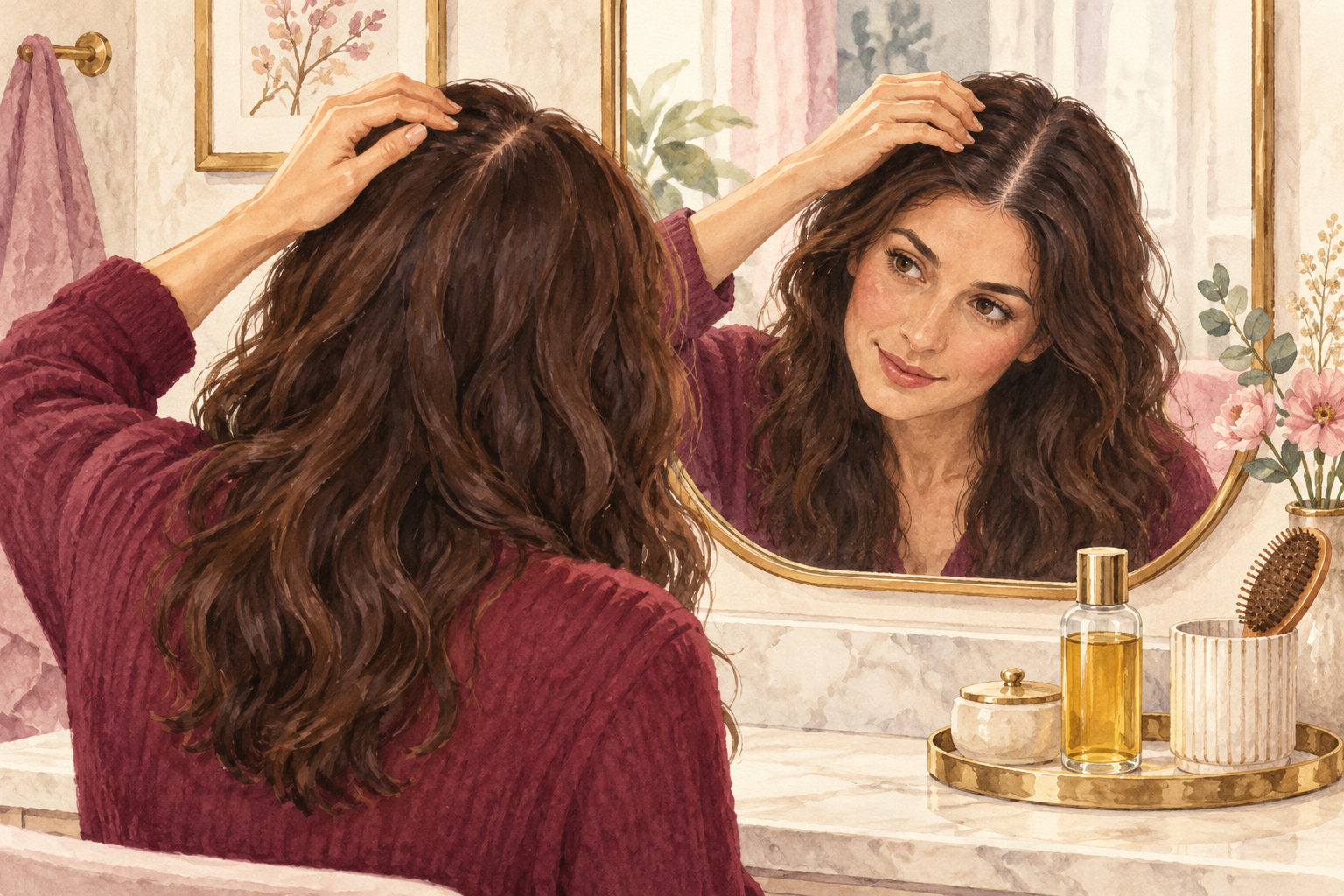
If your scalp gets oily by day two, use the oil only on wash day, and if it runs dry, use it twice a week. A scalp that is greasy and prone to build up will not enjoy an oil sitting on it all week. A dry, tight scalp often likes the softness. Flaky and itchy is different again, so skip it until things settle. Put one drop on a finger and rub it into a small parting to see how the skin feels an hour later. If it feels calm and not itchy or tight, you can go ahead and use a few drops on the full scalp.
5. Match it to your hair type

Fine or straight hair needs two or three drops on the ends only, while thick or coily hair can take five or six drops through the lengths. Oil adds slip and shine, which makes detangling easier and means fewer broken strands. Coily and dry hair loves that softness. Fine hair goes limp fast, so keep it off the roots unless you are doing a pre wash session. Oil does not repair split ends, and only a trim removes them. Press a little onto damp ends, then check after an hour whether your hair feels soft or heavy, and adjust the amount next time.
6. Patch test before you pour

Dab a small amount on the inside of your forearm or behind your ear, leave it, and watch it for a full day. Redness, itching, swelling or a rash means you skip the bottle. Essential oils like rosemary and peppermint can irritate some skin, so never put them near your eyes. If you pass, start with just a few drops on your scalp for the first few uses. Wash your hands afterwards, since oil spreads to your face without you noticing. Do this on a day when you have nowhere special to be, so a surprise bit of redness does not spoil your plans.
7. Scan the list for anything you react to

Run your eye down the label for nuts, seeds, wheat, celery or fragrance if you know your skin reacts to them. Blends like this often contain many plant sources, and any one of them can trouble a sensitive person. If anything on the list is on your avoid list, leave the bottle on the shelf and look for a plainer oil instead. Keep a note of what you tried and when, so you can trace a reaction back to its source. A little detective work now saves you a rash later, and your notes will help you pick better bottles in future.
8. Part, dab and massage in sections
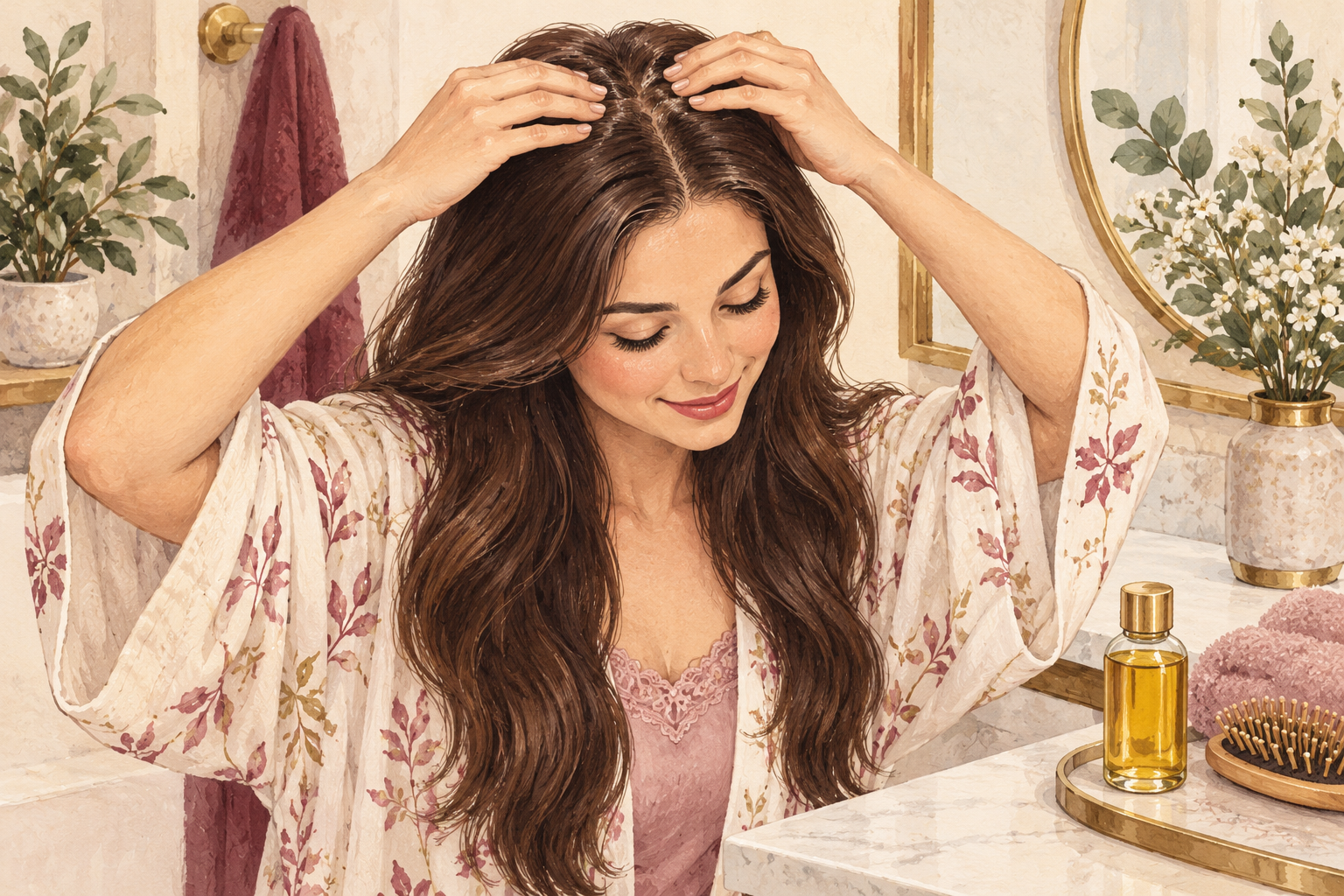
Split your hair into four sections, dab a few drops along each parting and massage with your fingertips for about two minutes. Use small slow circles, never your nails. More oil does not mean more benefit, only a greasier scalp that is harder to rinse. Smooth whatever is left on your fingers through the ends of your hair. Do it with dry or slightly damp hair, so the oil spreads easily. A good pass should leave your scalp feeling warm and your fingers lightly slick, not dripping. If oil runs down your neck, you have used too much.
9. Use it twice a week before a wash
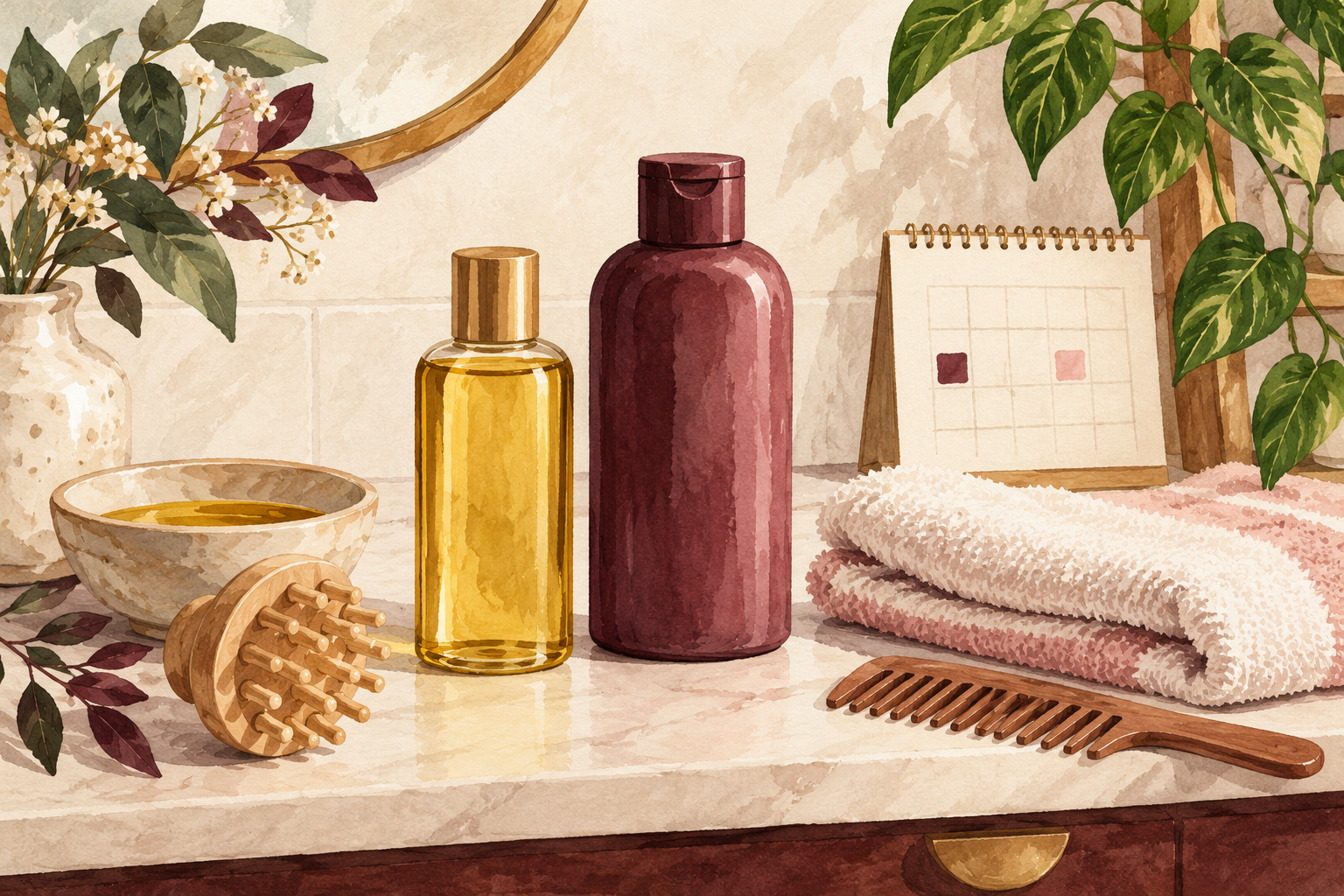
Leave it on for one to two hours before you shampoo, or overnight under a satin scarf if your skin copes well. Two nights a week is a sensible rhythm, and once a week is fine too. Using it every day tends to leave hair flat and the scalp greasy. Shampoo it out properly, because leftover oil sits on the scalp and attracts dust. Shampoo twice if your hair is thick, and rinse for longer than you think you need to. Put an old towel over your pillow on the nights you sleep in it, so the oil does not stain your good pillowcase, and tie the scarf snugly.
10. Skip the habits that waste it
Do not layer it with other strong oils or scalp treatments, pour it on, or leave it in all week. If you stack products and your scalp reacts, you will not know which one caused it. A heavy hand wastes the bottle and weighs fine hair down. Skipping the shampoo afterwards is the quietest mistake, because oil left sitting collects dust and flakes that look like dandruff. Count your drops and stick to the same number each time. One bottle used lightly goes a long way, so start with less than you think.
11. Know what weeks one to twelve can show
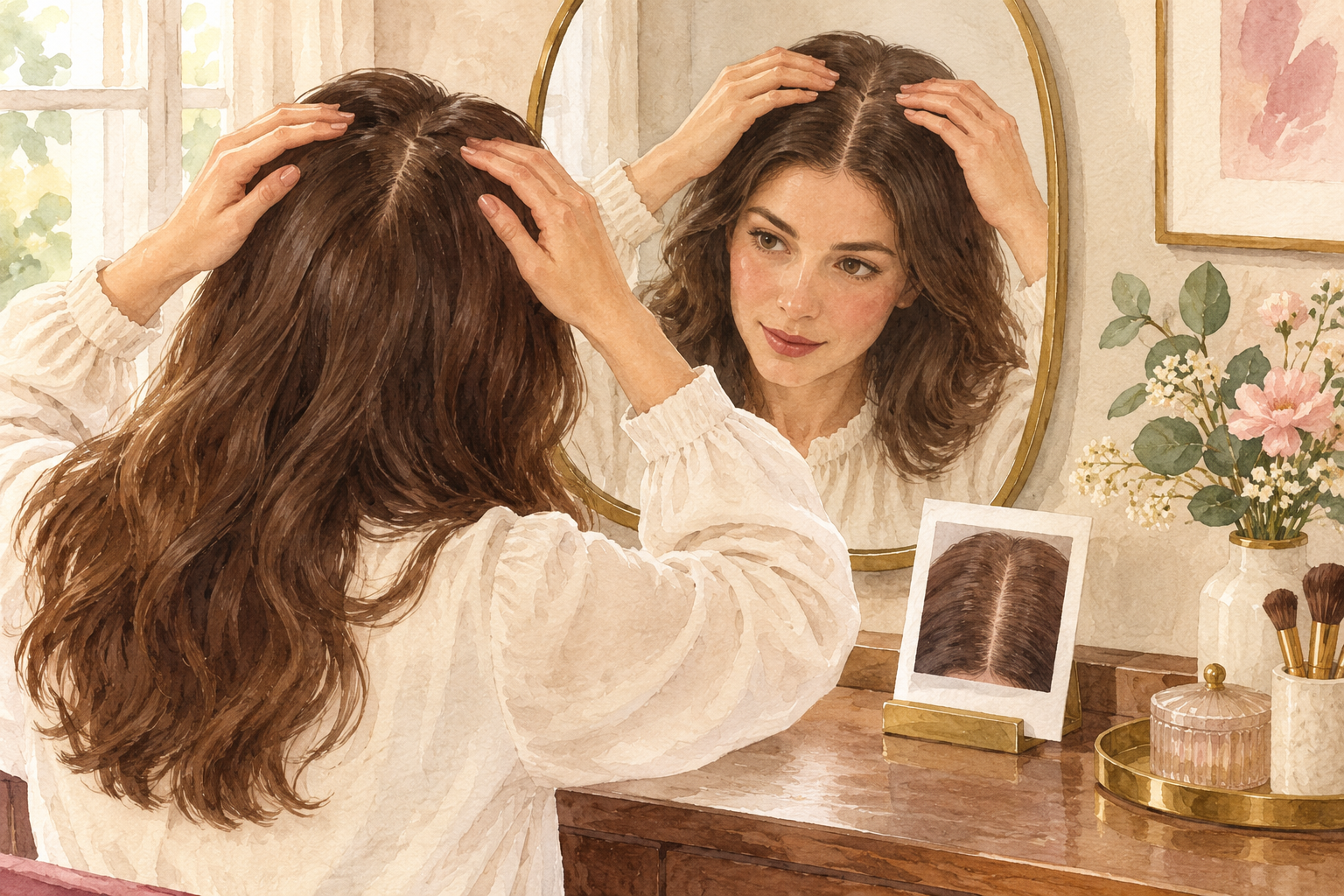
In week one, notice only how it feels, the slip, the scent and the tingle. By week four your lengths should feel softer, and your scalp should be calm or complaining. Take a photo of your parting and hairline in the same light at week eight and week twelve, because hair changes are too slow to judge from memory. If you see no change by three months, mielle rosemary mint oil is working as a nice oil, which is still a fair job for an oil. Keep your hopes small and happy.
12. Know when to put the bottle away

Skip it when your scalp is sore, flaky, red or freshly scratched, and stay with gentle washing until it calms down. Oil on an unhappy scalp makes it angrier, and the mint can sting raw skin. If your hair feels thinner, piling on more oil will not help, so check your meals, your stress and your sleep first. Should your hair come out in handfuls, see your doctor before you blame the bottle. Put the oil on a high shelf for a few weeks, then try a patch test again when things feel quiet.
Complete the Routine: Mielle Rosemary Mint Oil Tonight
Do the forearm patch test tonight, and if your skin is happy, plan your first pre wash session for the weekend. To see how oiling works in general, read about hair oiling and rosemary hair oil.