You see a little bottle of rosemary oil in someone’s bathroom or a video, and suddenly everyone has a theory about what it does for hair. Before you drop any on your scalp, it helps to know which bottle you are holding and what it can and cannot do. Here are 12 plain facts, so start at number one tonight.
1. Check which bottle you are holding

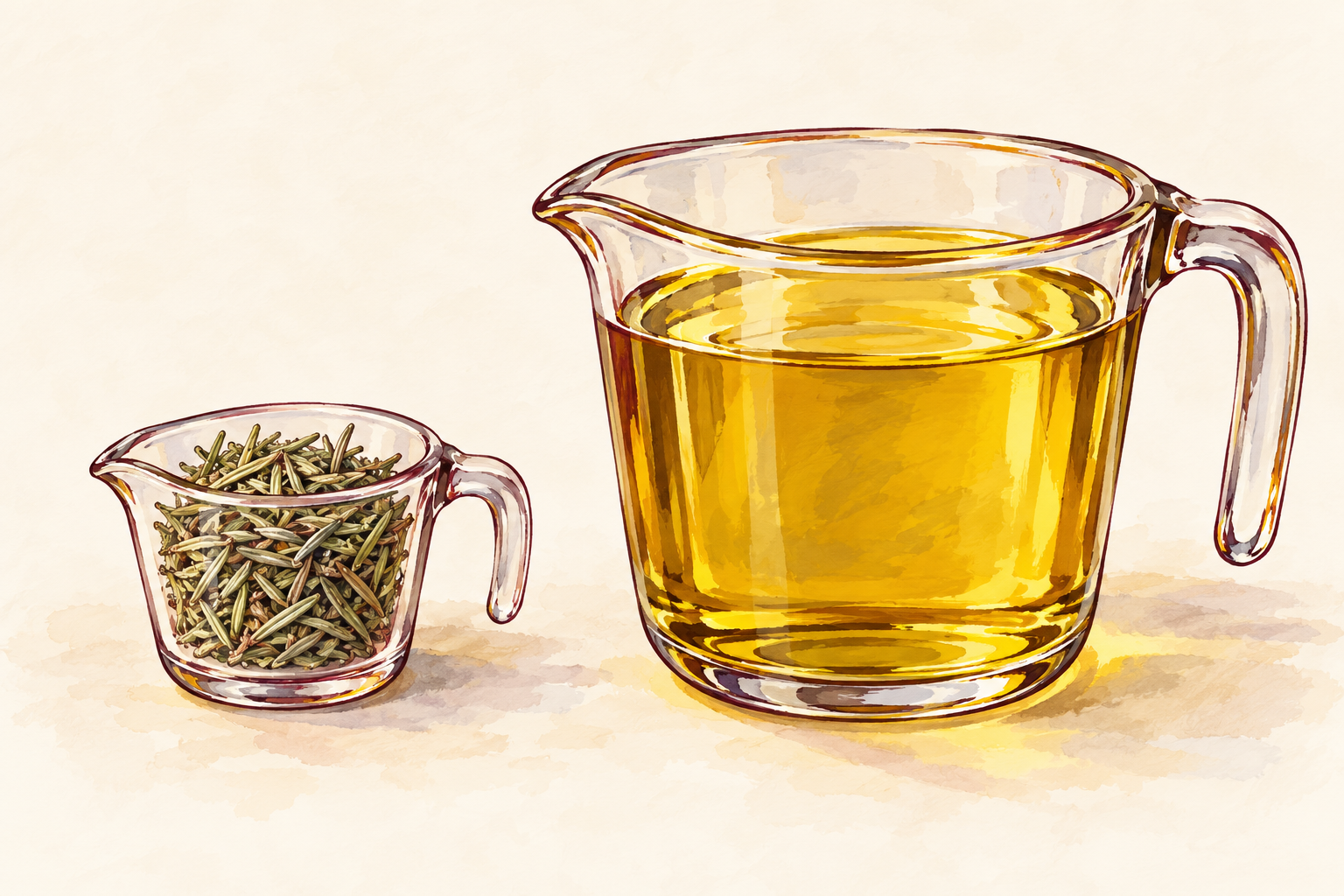
Read the front of the bottle to see if it is essential oil, infused oil or a ready made hair oil. Essential rosemary oil is a tiny, very strong bottle that smells sharp and herbal. Infused oil is rosemary soaked in a gentle oil like olive, and it is mild. A ready made hair oil is already mixed and safe to use as directed. They are not the same thing, and mixing them up is the number one slip. If you cannot tell, treat it as the strongest kind and dilute it. Look at the size, too, because essential oil usually comes in a very small dropper bottle.
2. Never use essential oil neat
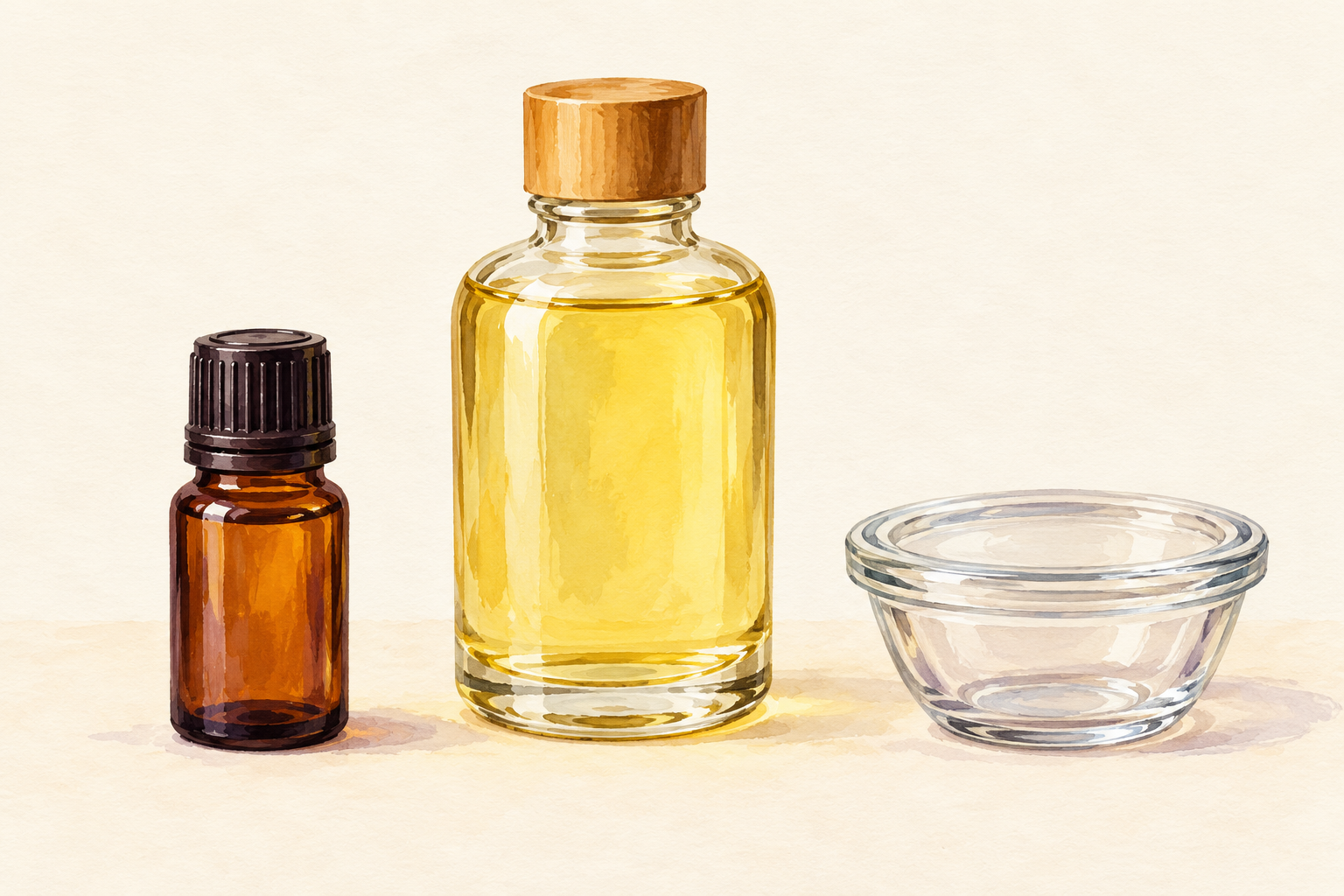
Keep essential rosemary oil away from your scalp until it is mixed into a carrier oil. Neat essential oil is very strong, and on bare skin it can burn, sting or leave a red patch. Carrier oils such as jojoba, almond, olive or coconut dilute it and carry it across your scalp. Think of the essential oil as a pinch of chili in a pot of soup. Count the drops, do not pour. If a drop lands on your skin by mistake, wipe it off with a little plain oil, not water, and then wash with soap.
3. Dilute it the safe way
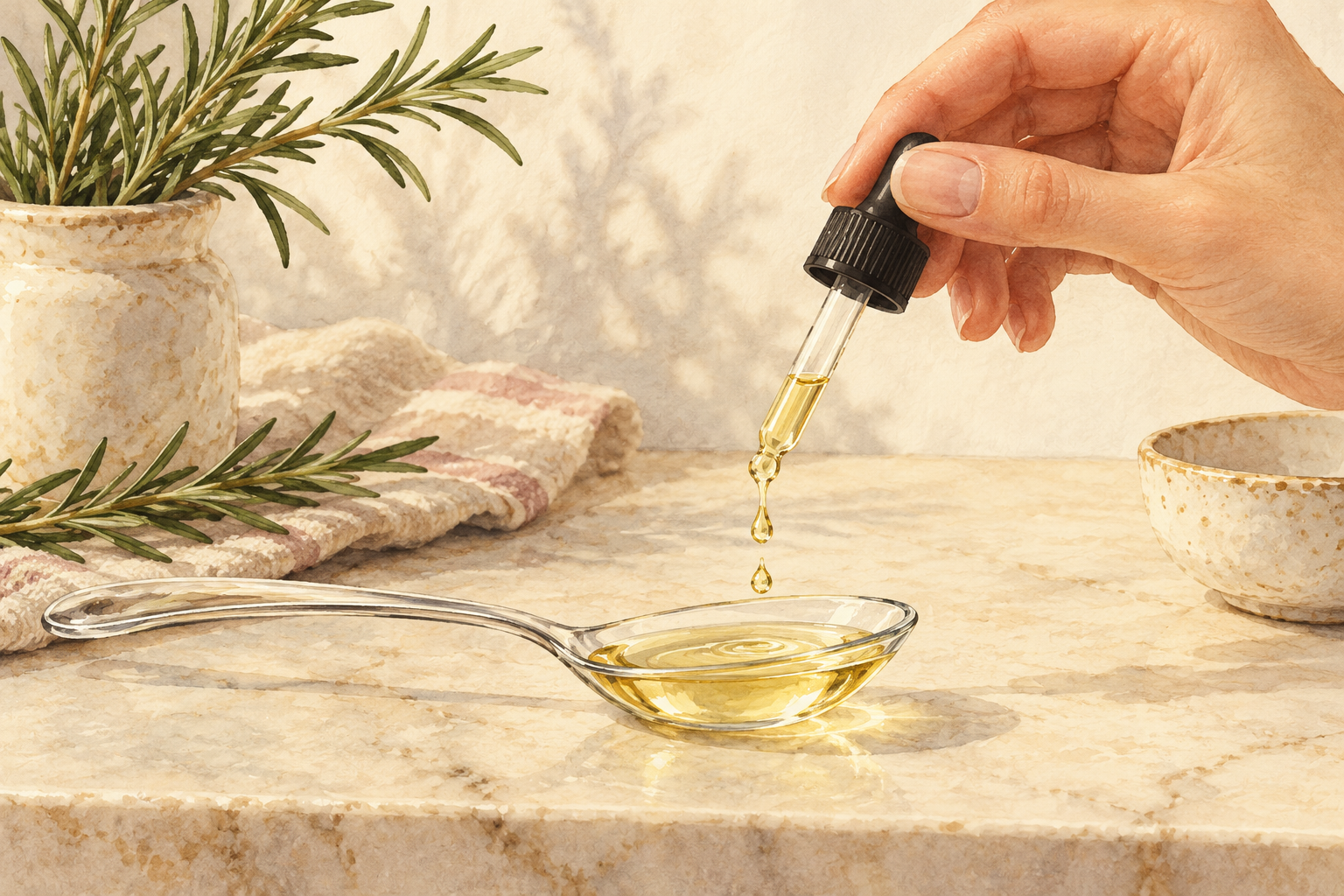
Mix two or three drops of rosemary oil into one tablespoon of carrier oil. That is a gentle strength for the scalp. Stir it with a clean spoon, and make a fresh small batch each time rather than a big bottle. If your skin is sensitive, start with just one drop. More drops do not mean more results, only more risk of irritation. Skip plastic bowls, because strong oils can pit them, and use glass or ceramic instead. Label the mix with the date so you know when you made it. A mix that sits for more than a couple of weeks can smell off, so toss it and make a new one if the scent changes.
4. Patch test first

Dab a little of your mix on the inside of your elbow and wait a full day. If the skin stays calm, you are fine to go ahead. If it itches, burns, reddens or swells, wash it off and stop. Do the test again whenever you change the oil or the brand, because the plant can differ from bottle to bottle. Patch testing is boring and it takes five seconds. It is also the step that keeps a hair experiment from turning into a sore scalp. Do it the day before you plan to use the oil.
5. Know what it does for you
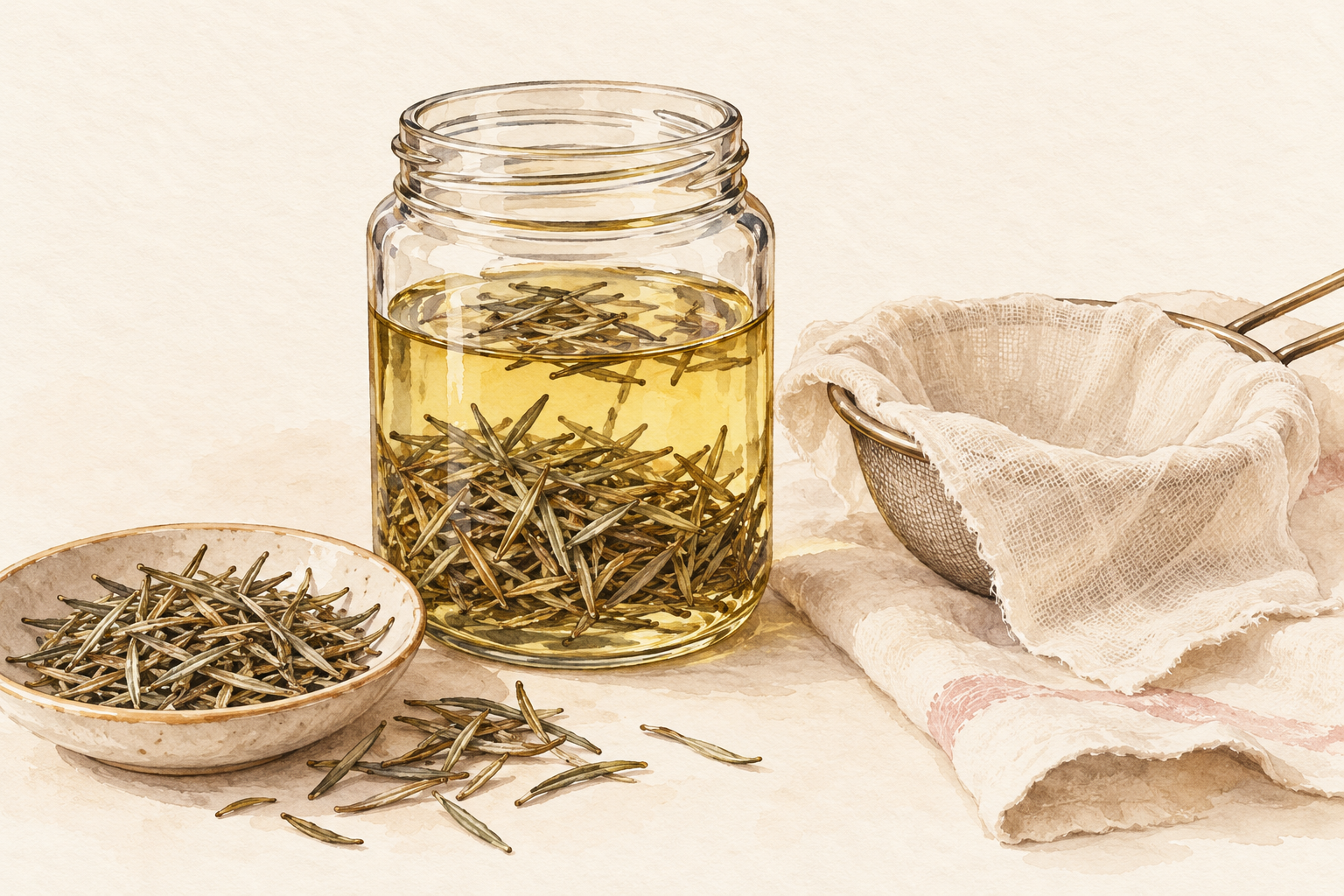
Rosemary oil is mainly a scalp massage oil that smells fresh and leaves hair with a light shine. The massage itself feels good, and a relaxed, well cared for scalp is a happier place for hair. The scent is clean and herbal, like a garden after rain. It can make a dull scalp feel tingly and awake, though that is not a sign it is working. Treat it as a pleasant habit, not a cure. If a post online promises thick hair in two weeks, take a breath and move on. A scalp massage with any gentle oil gives you much of the same comfort, so rosemary is a nice extra rather than a must have.
6. Skip the overnight growth promise

Expect your hair to grow at its own pace, about half an inch a month, with or without oil. Rosemary oil is not a magic switch. Some people like to think of it as a way to keep the scalp comfortable while hair grows. That is a fair way to enjoy it. What shows up in a month is usually shine, a nicer feeling scalp and less dryness on the roots. Take a photo of your parting today, and another in twelve weeks. That is the only fair way to judge it. Anyone promising results by Friday is selling you a story.
7. Massage it in for three to five minutes
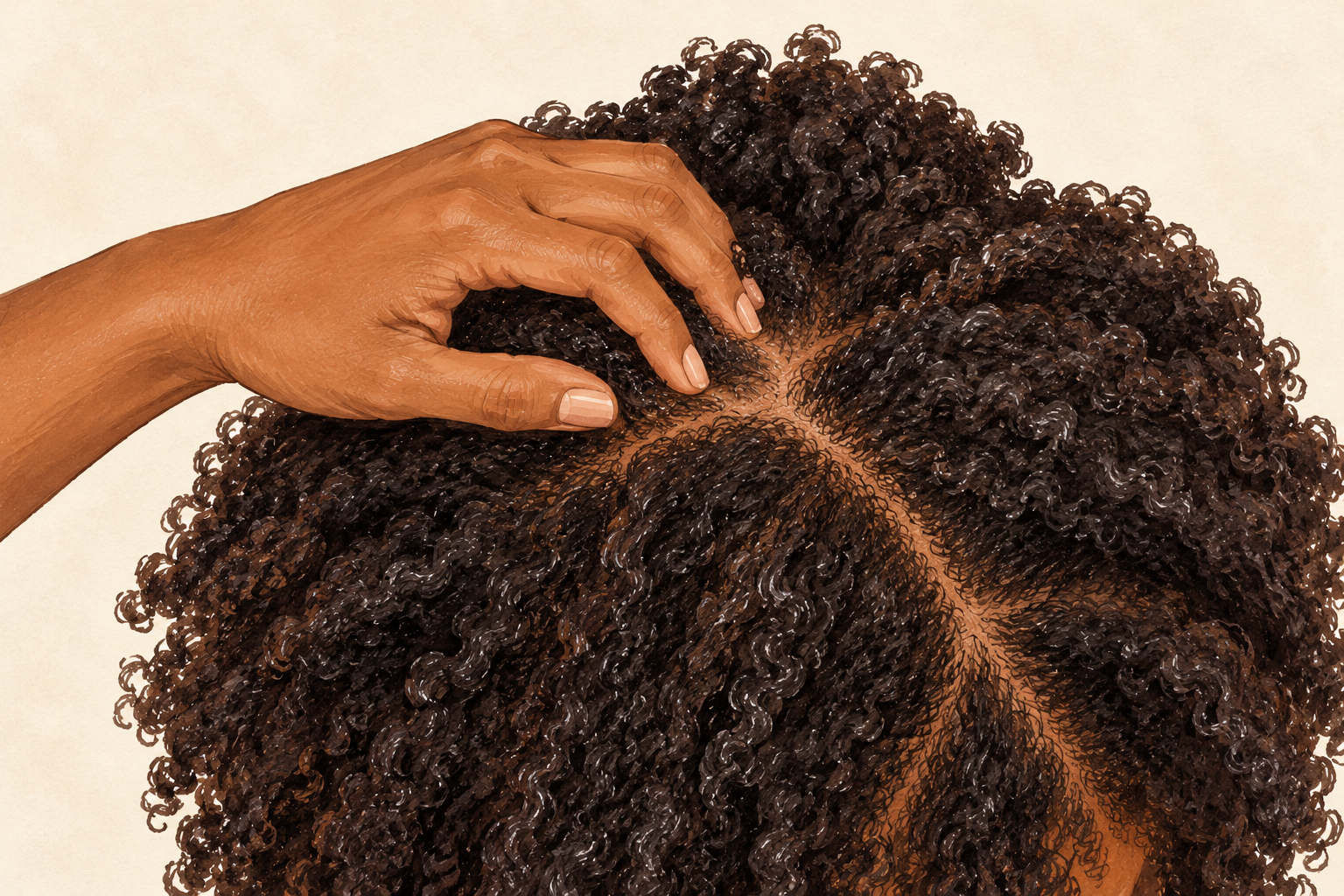
Warm a teaspoon of your diluted mix in your palms and rub it along your partings with your fingertips. Press in small slow circles, never with your nails. Go from the front hairline to the crown and then down the back. Five minutes is plenty, and you should feel your scalp loosen. Keep the oil off your lengths for now, since the scalp is the point here. If you have long hair, tie it up first so strands do not get tangled in your hands. Wipe your palms on a towel afterwards, and wash them before touching your eyes.
8. Leave it on for thirty minutes, then wash

Cover your hair with a cap or a warm towel for half an hour, then shampoo it out. Thirty minutes is enough for the oil to settle on your scalp. Overnight is not needed, and it adds more risk of irritation and a greasy pillow. Do it once or twice a week at most. Use lukewarm water, since hot water irritates a tender scalp. If your hair is fine or oily, once a week is plenty, and thick, dry hair can go twice. Skip the days when your scalp already feels sore.
9. Shampoo twice to clear it
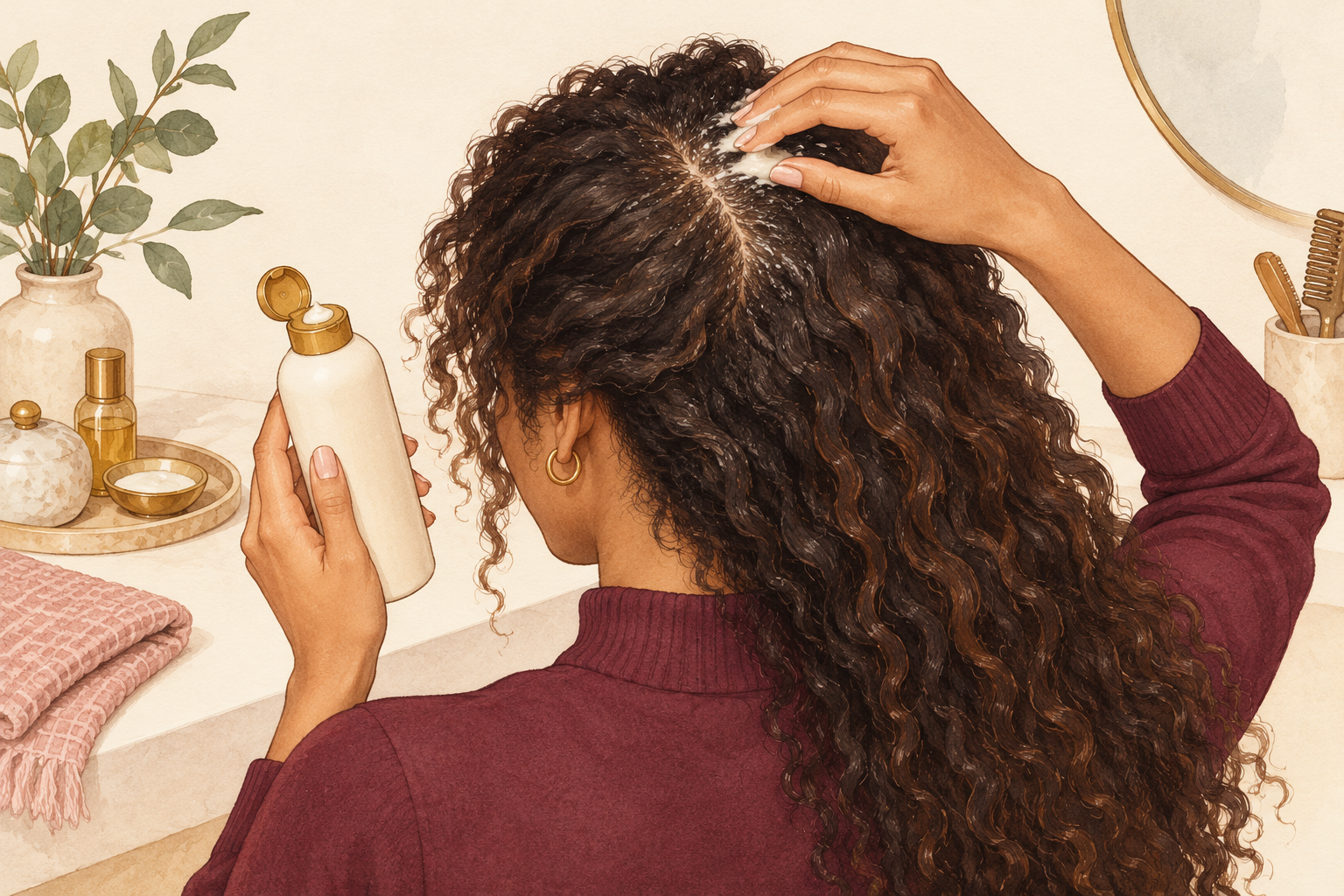
Put shampoo on dry, oiled hair, add a little water, rinse and then shampoo a second time. Oil clings, and a single wash leaves a film that makes the roots look flat. Rinse for longer than you think, until the water runs clear and your fingers glide through. Follow with conditioner on the lengths only. If your hair still feels coated, use fewer drops next time or leave it on for a shorter time. A clean scalp is more important than a perfumed one. Squeeze the water from your hair with a towel before you dry it, and check the roots in the mirror for any leftover shine. If they look slick, give them one more quick wash.
10. Avoid the usual mistakes
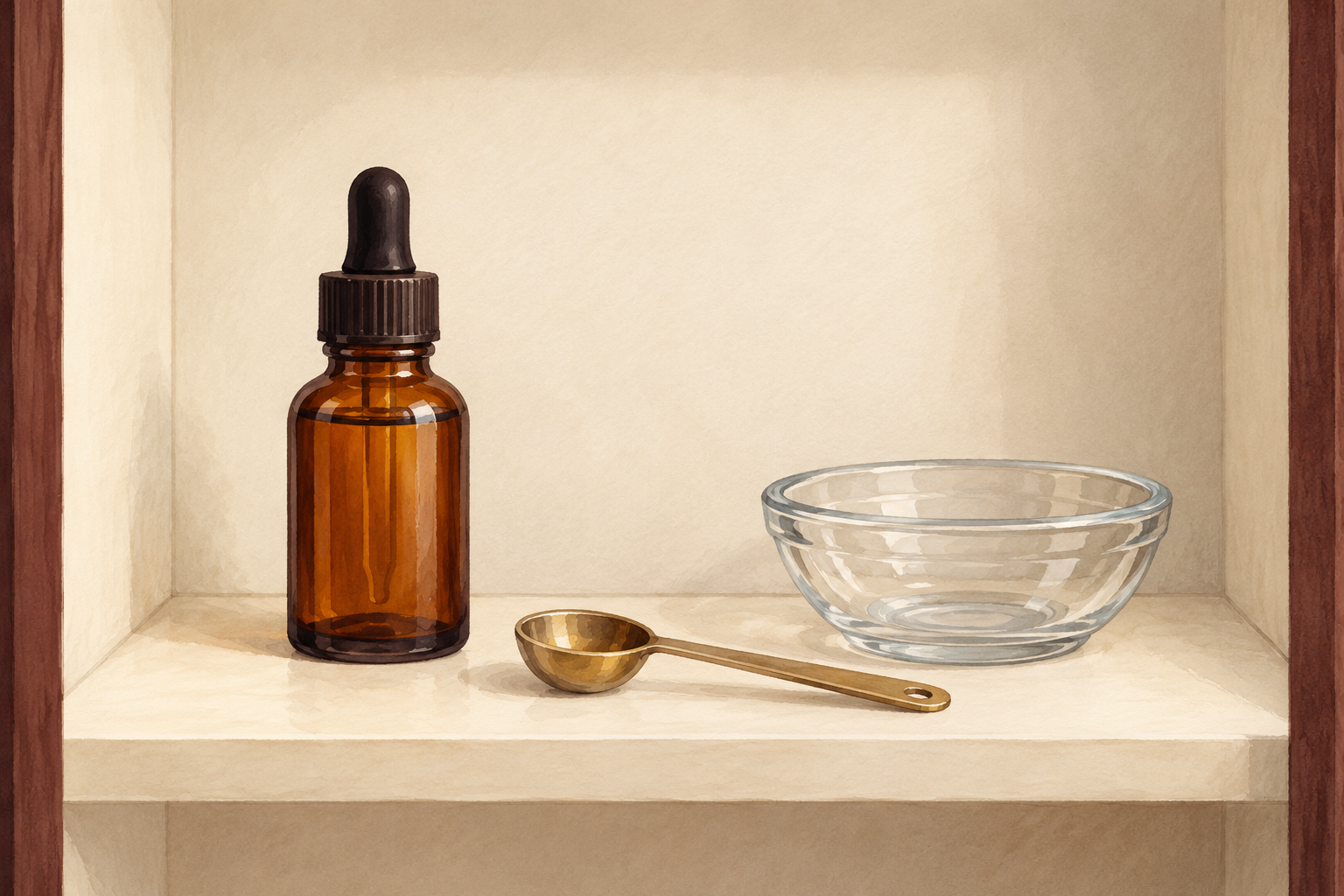
Keep it out of your eyes, off your face and away from pets and small children. Do not use more drops than the recipe says, do not heat the oil in a microwave, and do not leave it on overnight. Never share your mix with a child. Strong smells can bother pets, so use it with the window open. If it stings your scalp, rinse right away with shampoo and plenty of water, and stop using it. Store the bottle in a cool, dark place with the lid tight, because heat and light spoil it. Wash the spoon and bowl with hot soapy water straight after, since oil film turns sticky and smelly if it dries.
11. Know when to skip it

Skip rosemary essential oil if you are pregnant, breastfeeding, have very sensitive skin, or your scalp is sore, cracked or inflamed. In those cases, a plain carrier oil on the lengths is the safer choice, and so is an infused oil. Rosemary is strong, and a calm scalp is worth more than a trend. If you have had a reaction to herbs or scented products before, take that seriously. You can still enjoy the plant by cooking with it, or by simmering a sprig and using the cooled water as a rinse. That version is much milder, and it still smells wonderful in the shower.
12. Expect small, pleasant changes

Look for a fresher feeling scalp, softer hair and a little more shine over four to twelve weeks. Rosemary oil works best as one steady habit, not an emergency fix. Keep a note of how often you use it and how your scalp feels. If you notice more shedding or flaking, cut back or stop. If the redness or itching keeps getting worse, stop and see your doctor. Otherwise, enjoy the ritual. It smells lovely, it feels soothing, and it gives you a quiet ten minutes for yourself each week. Pair it with a good podcast and a cup of tea and it becomes something you look forward to, not a chore on your list.
Complete the Routine: Rosemary Oil Done Safely
Tonight, patch test one diluted drop and see how your skin feels tomorrow. When you are ready, read about hair oiling and how to make rosemary oil for hair.