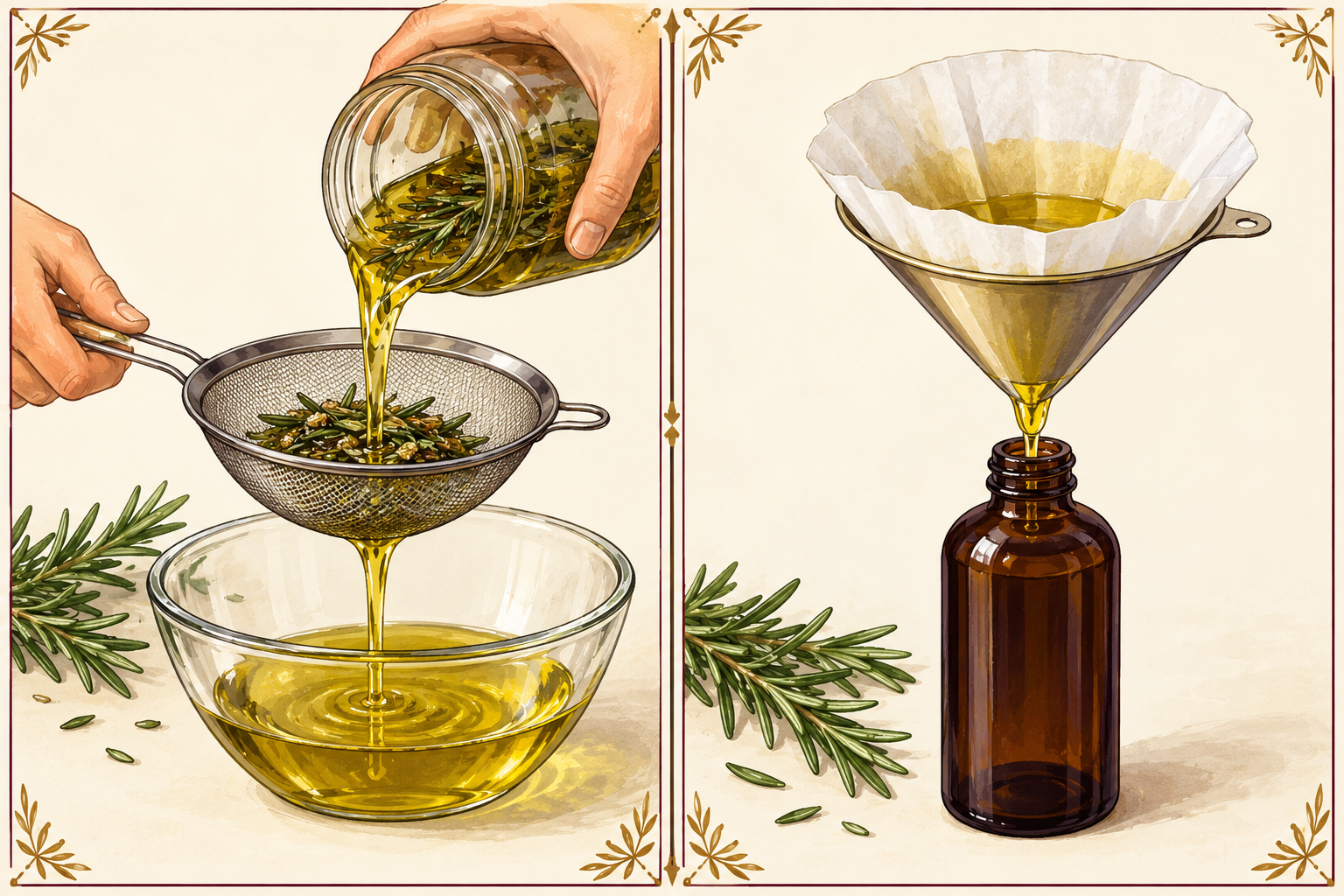
You read that rosemary oil helps hair grow, so you tip a few drops from the bottle onto your scalp and it tingles in a way that feels wrong. Rosemary oil for hair growth only works well for you when it is diluted, tested and used on a schedule. These 12 steps show you how, so start at number one tonight.
1. Buy the right bottle
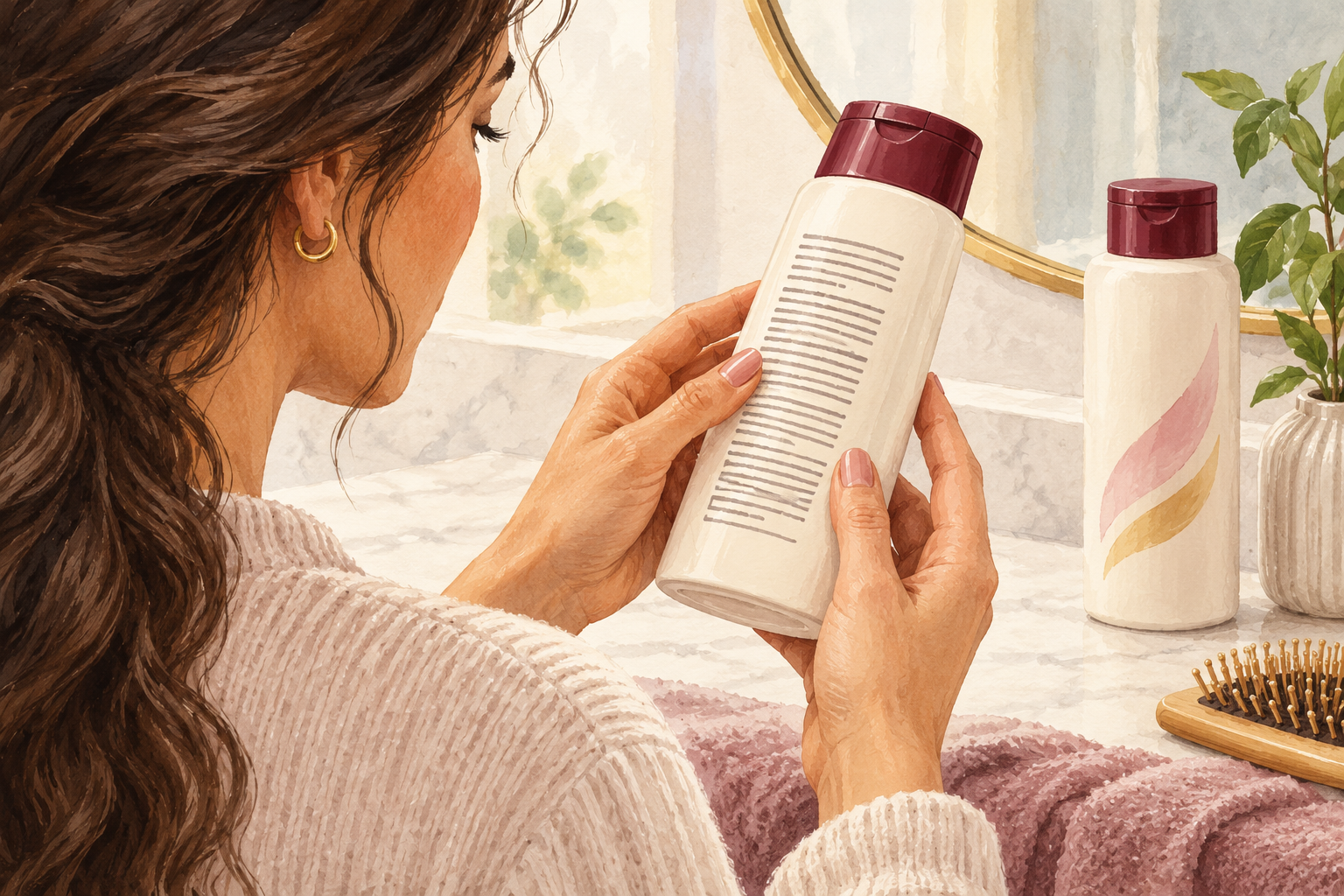
Choose a bottle that says rosemary essential oil and nothing else on the ingredient list. Look for the Latin name Rosmarinus officinalis and a dark glass bottle with a dropper top. A label that says fragrance oil or perfume blend is a different thing and can irritate your scalp. Clear plastic lets light spoil the oil, so leave those on the shelf. Smell it before you commit, because real rosemary is sharp, green and herby, like a crushed sprig. Store it in a cool cupboard away from shower steam and it stays fresh for months. A small bottle is plenty, because you only ever use a few drops at a time.
2. Patch test before anything else
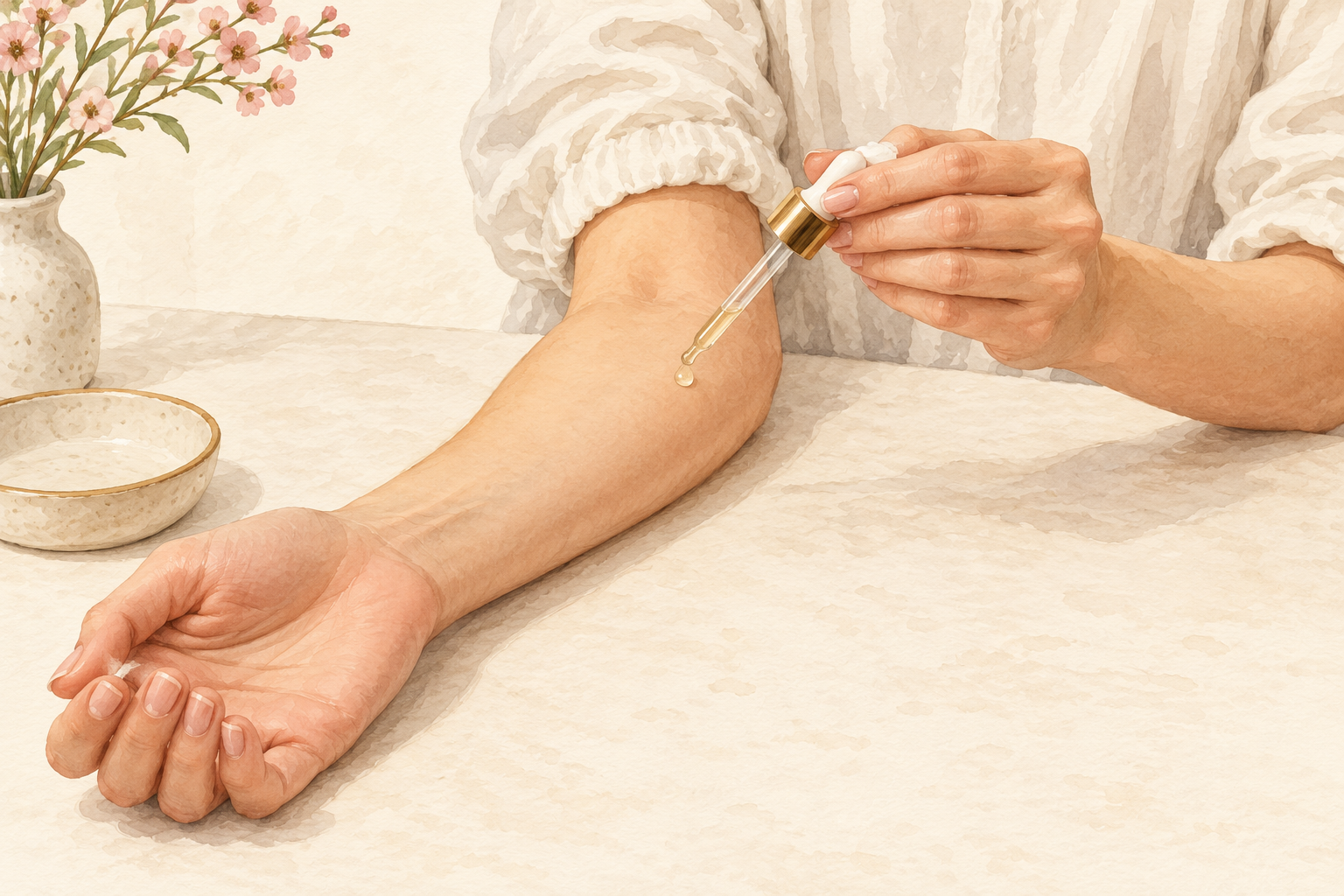
Stir one drop of rosemary oil into a teaspoon of carrier oil and dab it behind your ear. Leave it alone for a full day. Redness, itching, small bumps or a hot feeling means this oil is not for you, so wash it off and stop there. No reaction means you can move on. Do the test again whenever you open a new bottle, because oils differ from batch to batch. It feels like a boring delay, and it is the step that saves your skin. Choose a spot you can see, so you notice if it turns pink or itchy overnight.
3. Check that your scalp is calm

Wait until your scalp is unbroken and comfortable before you start. Scratches, sore patches or a fresh sunburn will sting the moment oil touches them. Rosemary suits most healthy scalps, dry or oily, and it works on straight, curly and coily hair alike. If your scalp feels raw, give it a week of plain washing first. If you are pregnant or nursing, leave essential oils alone for now and ask someone you trust before you try them. Rosemary will still be there when your scalp is ready. A calm scalp also shows you more clearly how the oil is treating you once you begin, with no old irritation muddying the picture.
4. Start with three drops per tablespoon
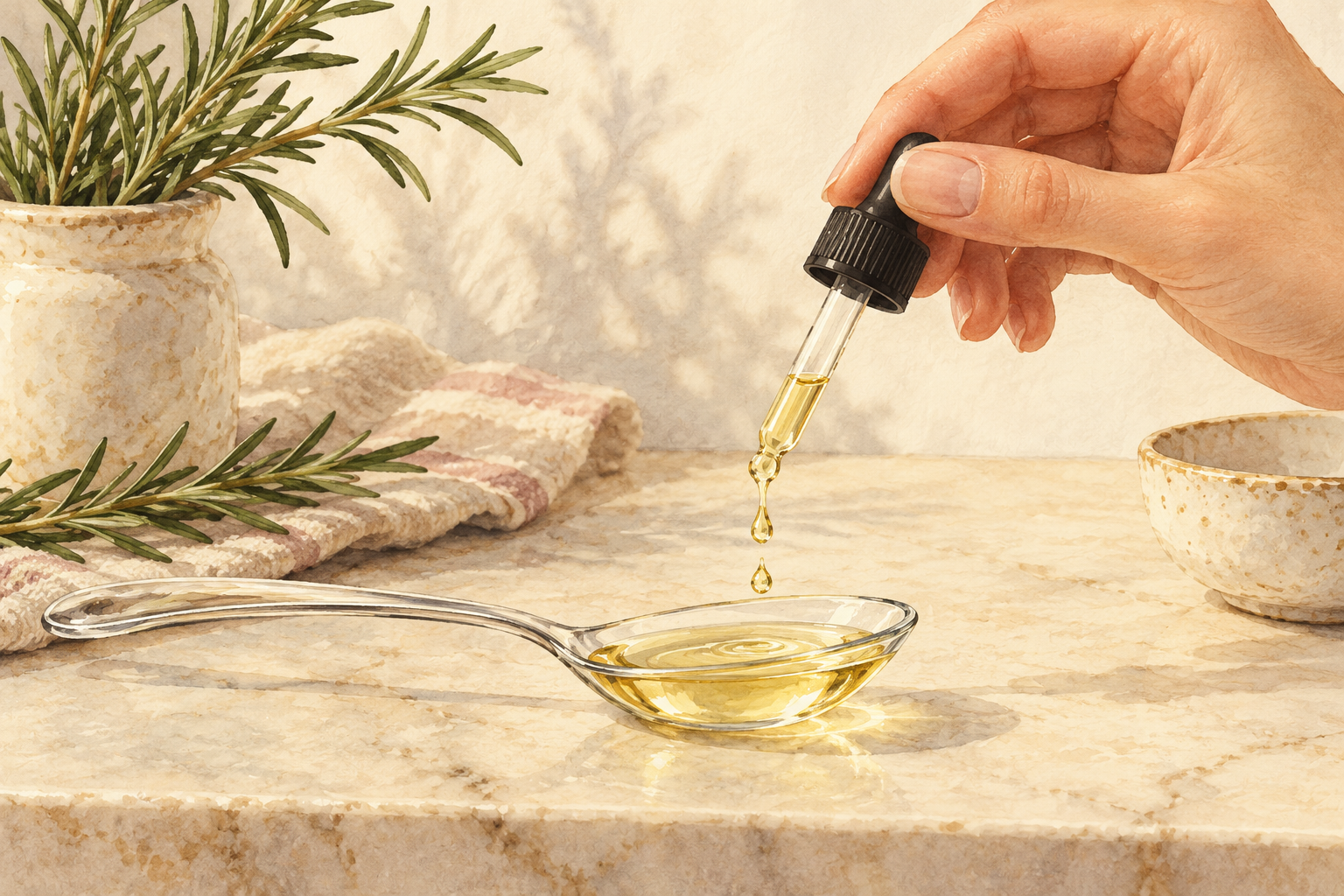
Begin gently with three drops of rosemary oil in one tablespoon of carrier oil. That is a weak mix on purpose. Your scalp gets to say hello without being shouted at. Count the drops one at a time and let each one fall fully, because the last drop of a dropper often comes out fatter. Wipe the dropper tip clean afterwards so the bottle does not get sticky. Use it like this for the first two weeks. If your scalp is happy, you can nudge it up to four drops, and no higher. Stronger does not grow hair faster, it only irritates. Write the recipe on the bottle so you never have to guess on a tired evening.
5. Match the carrier oil to your hair

Pick jojoba or grapeseed for fine or oily hair, and olive or sweet almond for thick, dry hair. Coconut oil works for many people but feels heavy on a fine scalp and can solidify in a cool room. Thick castor oil is lovely on dry coils, though it needs thinning with a lighter oil. Whatever you choose, it should feel like something you could easily wash out. Test the carrier on its own first, because the base oil is most of what touches your scalp. If a carrier leaves your roots greasy for days, switch to a lighter one before you blame the rosemary.
6. Measure with a spoon and a dropper
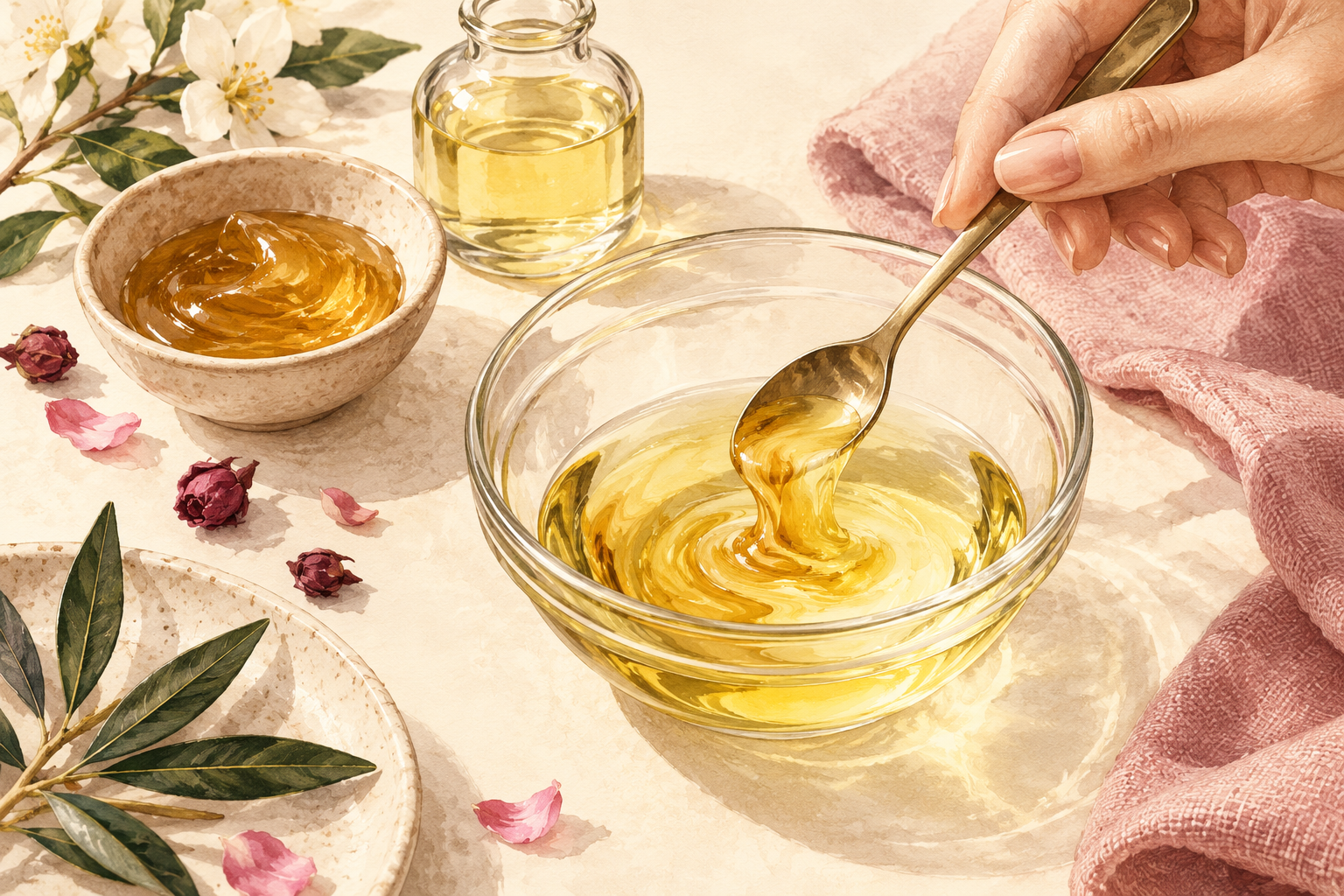
Mix a small batch in a clean dark bottle, about three tablespoons at a time. Guessing with your eyes is how a gentle mix turns into a harsh one. Add the rosemary last, close the cap and shake for ten seconds. Write the date on a strip of tape and finish the bottle within a month. Wash the bottle and dropper in hot soapy water between batches. A small mix that stays fresh beats a huge one that goes stale and smells off. Warm the closed bottle in a cup of warm water for a minute if the oil has thickened.
7. Apply to the scalp, not the lengths
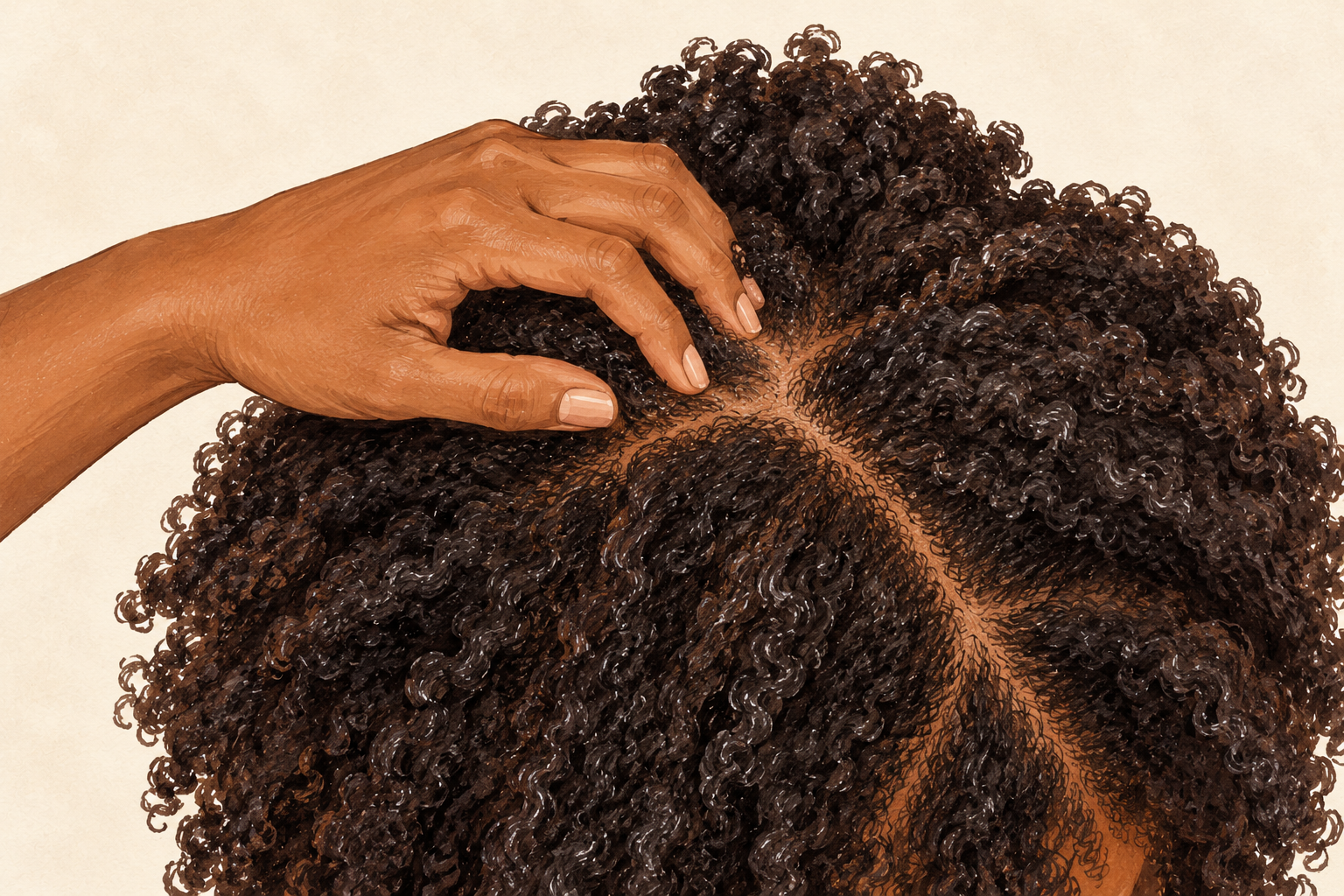
Part your hair in rows and dab a little oil along each part with a fingertip or cotton bud. Aim for the skin, because that is where you want it. Then massage with the pads of your fingers for three to four minutes, using small circles. Keep it off your lengths so they do not turn limp, and keep it far from your eyes. If you have braids or twists, work between them. Your scalp should feel warm and a bit alive, never burning. Wash your hands afterwards so no oil ends up in your eyes when you rub your face.
8. Leave it on for an hour, then wash

Cover your hair with a scarf or shower cap and wait about an hour before you rinse. An hour is enough for the oil to sit on your skin without clogging it. Overnight feels like a bonus, though it can leave some scalps itchy or spotty, so earn that trust slowly. Shampoo twice at the roots, since oil needs a second wash to leave. Rinse until the water runs clear and your scalp feels light, not slippery. Skip the pillow until it is all off. If your hair feels waxy afterwards, a third quick lather with a little water sorts it out.
9. Use it two or three times a week

Pick fixed days, like Monday and Thursday, and stick to them. Hair grows slowly, about a centimetre a month, so a daily dose gains you nothing but a sore scalp. Two or three sessions a week gives the skin time to rest in between. Mark the days on a calendar and take a photo of your parting at the start. Give it three months before you judge it. Skipping a session now and then is fine, and doubling up the next day is not. A steady rhythm is the whole recipe.
10. Swap methods if the oil feels heavy
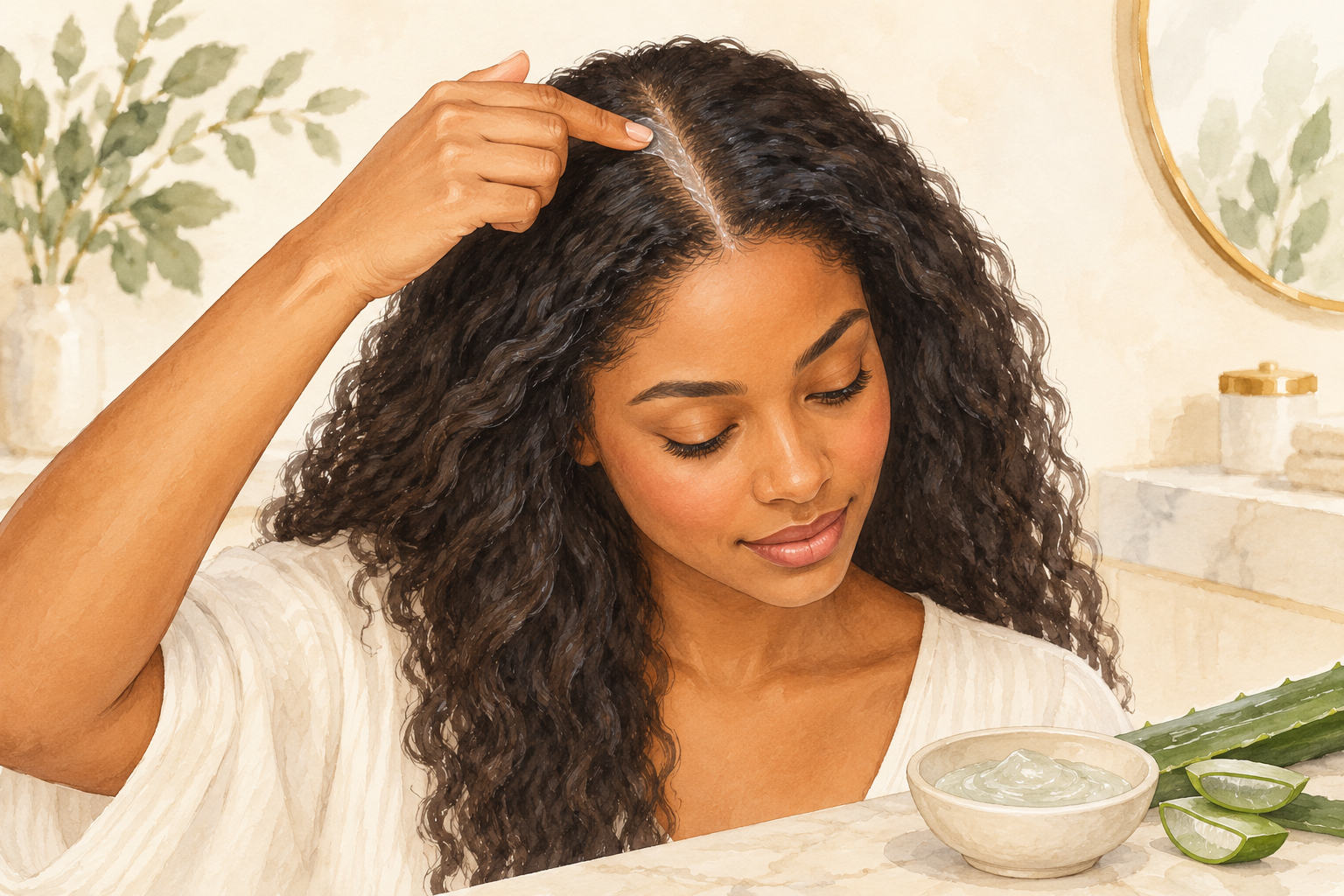
Try one drop of rosemary oil stirred into a palmful of your regular shampoo instead. This is a lighter route for fine hair that goes flat with oil. You massage it in during the wash and rinse after a minute. Another swap is a few drops mixed into a spoon of aloe gel, which feels cool on the scalp. Change only one thing at a time so you know what your skin likes. Each swap should feel easier than the plain oil, not harder. If one version suits you, stay with it for the full three months.
11. Do not add more drops, more often
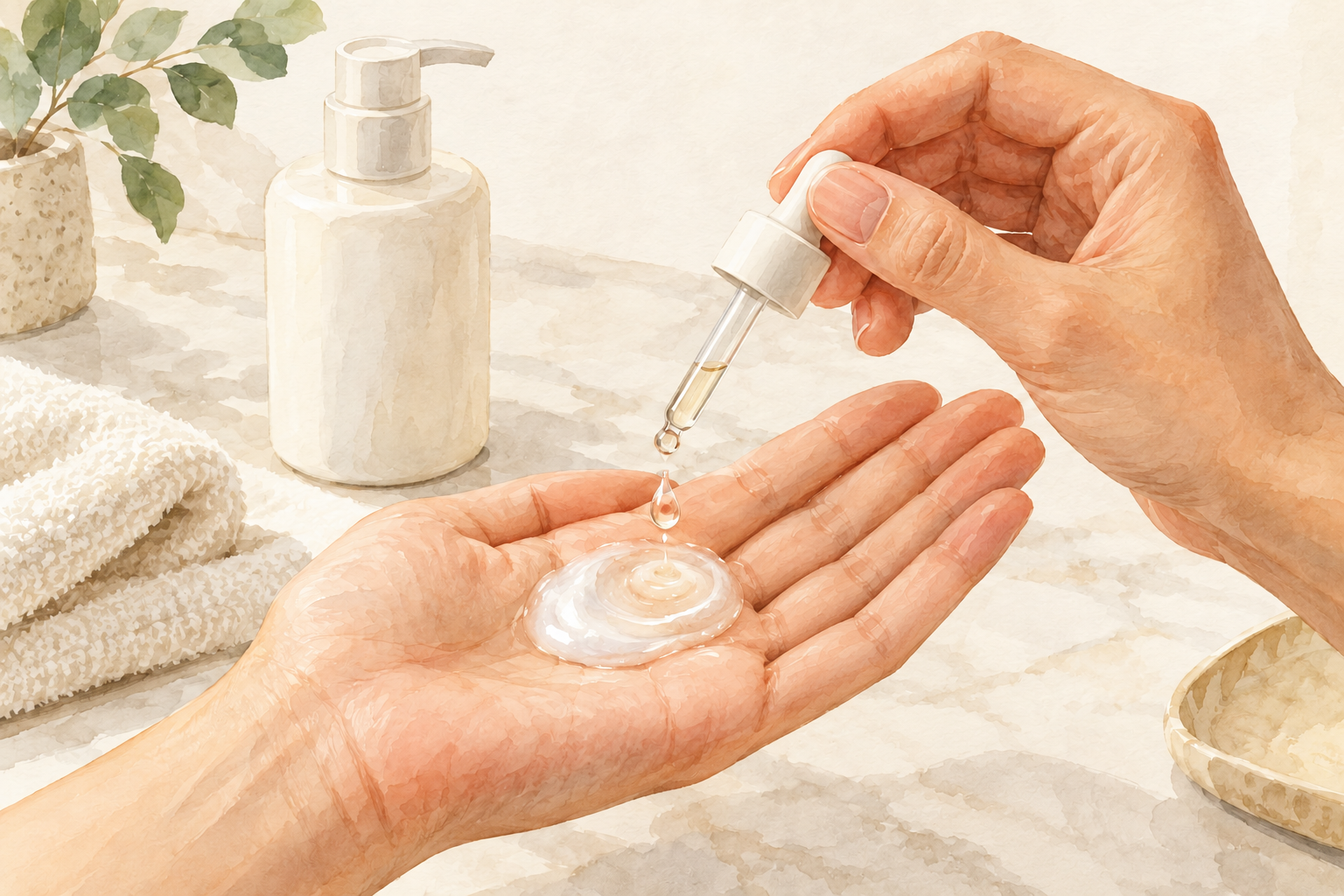
Resist the urge to double the dose because a week passed with nothing to see. Too much rosemary oil gives you a burning scalp, flakes, tiny bumps and greasy roots, and none of that helps hair grow. Keep it off broken skin and never use it neat. If your scalp stings, wash the oil out with shampoo straight away, and rest it for a week before trying again at a weaker mix. Patience pays here, and more drops never will. Watch for greasy roots too, since that is a quiet sign you are using too much.
12. Know what you will likely notice

Expect a fresher, more comfortable scalp in the first month, and treat any new growth as a bonus. Hair often feels a little thicker at the roots as you massage more often. By month three you might spot short soft baby hairs along your edges or fewer strands in the brush. Results are slow and they vary from head to head. If heavy shedding or bald patches show up, see your doctor before you try anything else. Take a photo each month in the same light. Stick with rosemary oil for hair growth for the full three months before you decide.
Complete the Routine: Rosemary Oil for Hair Growth Done Safely
Tonight, buy or find the right bottle and do the patch test. When your skin agrees, read about rosemary water for hair growth or try a full hair growth oil recipe.