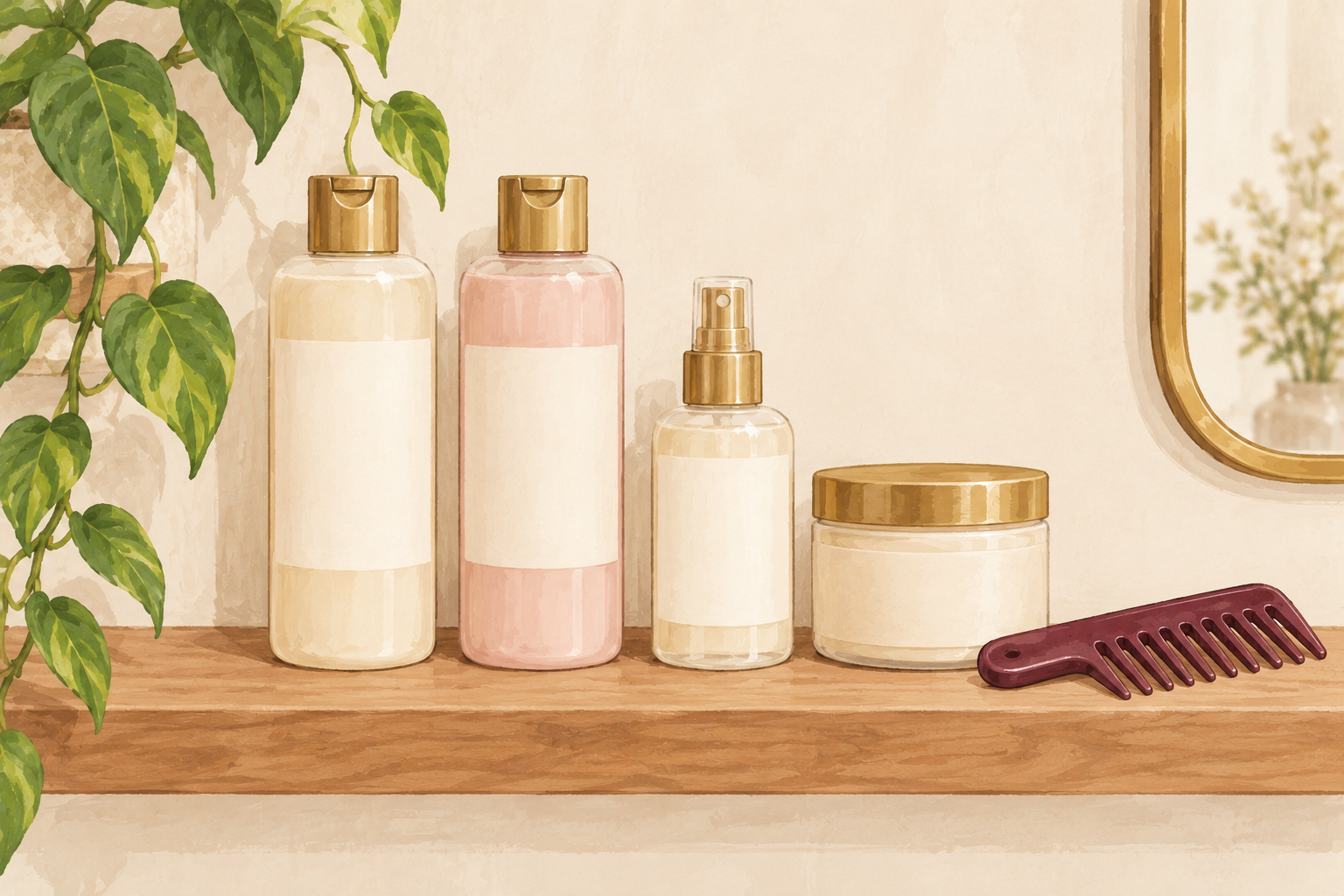
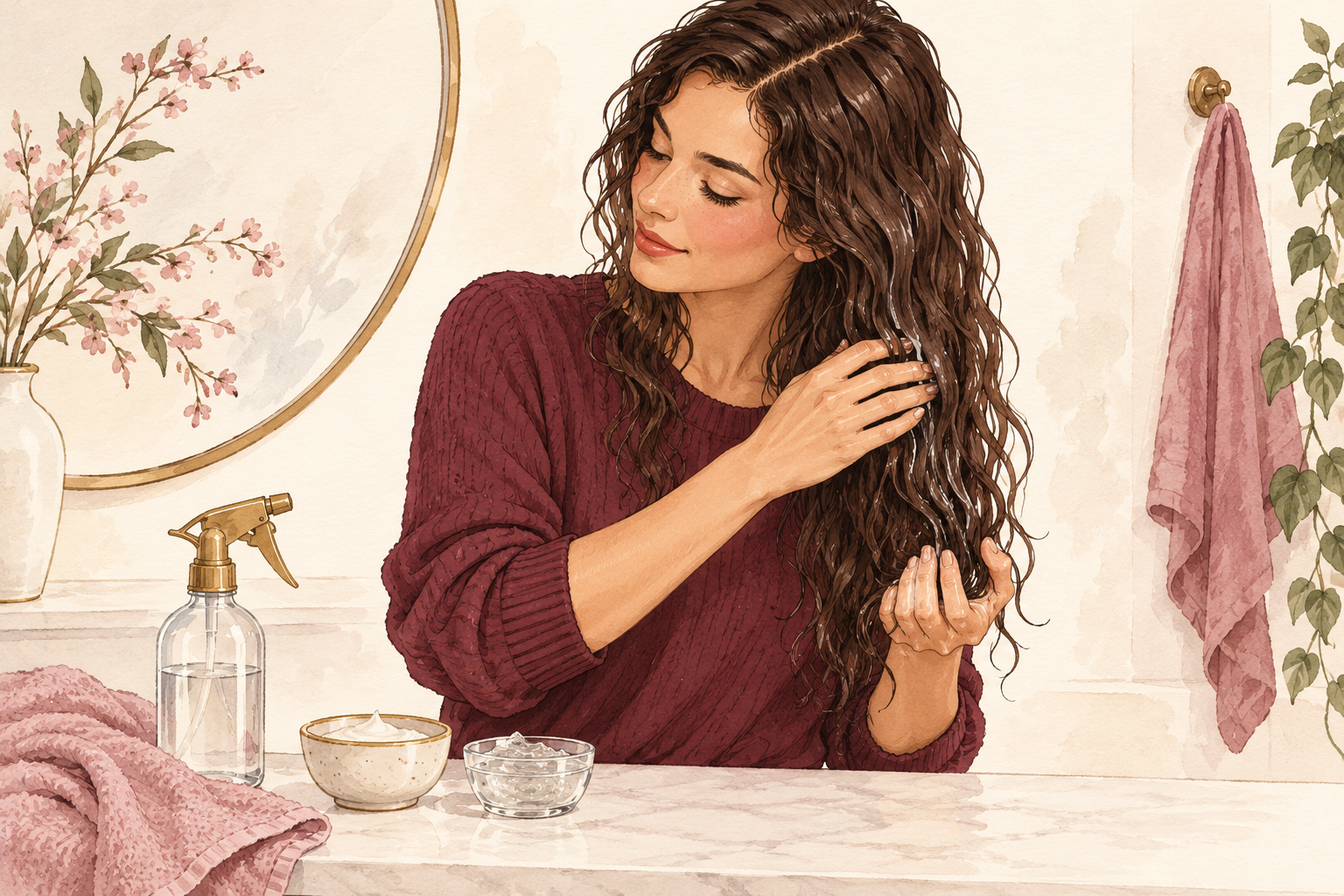
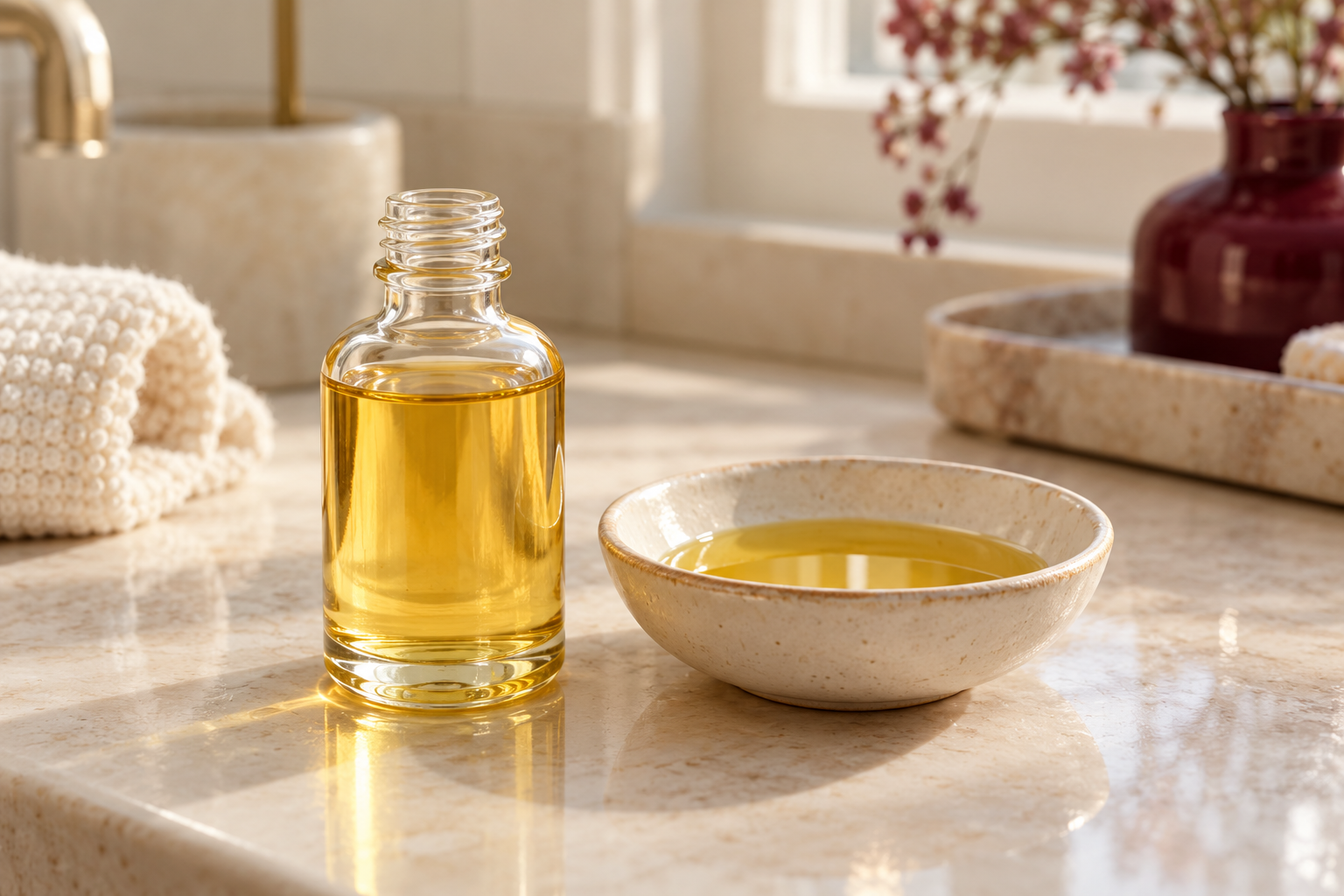
Your bathroom shelf is crowded with half used bottles, and your hair still does not feel the way the labels promised. Most of us do not need more hair care products, we need the right few and a clear reason for each. These 12 picks sort the essentials from the extras, so start at number one tonight.
1. A gentle shampoo that suits your scalp
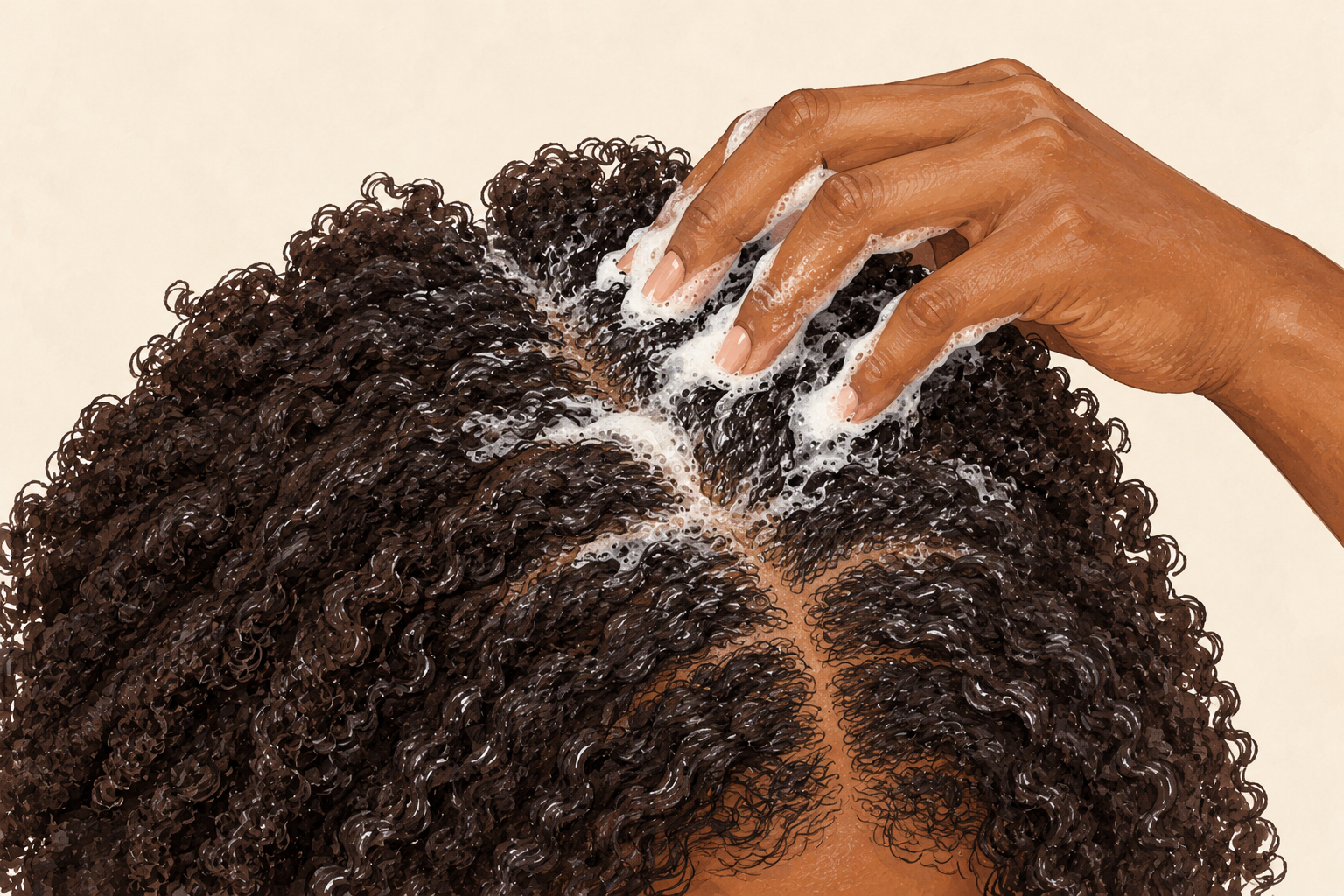
Choose a shampoo that cleans your scalp without leaving it tight, squeaky or itchy. Oily roots do well with a light, clear formula. A dry or coily scalp wants something creamy and mild. Test by washing twice a week for a month. A good shampoo leaves your scalp calm, your hair light and your roots comfortable for at least two days. If your scalp feels tight an hour later, the formula is too strong for you. Look for the word gentle or moisturizing on the front, and skip anything that smells so strong it stings your nose. You only need a coin sized amount, so one bottle lasts a long time. Clean roots set the base, and best shampoo for hair growth comes into play if your scalp needs more attention.
2. A conditioner with slip and softness
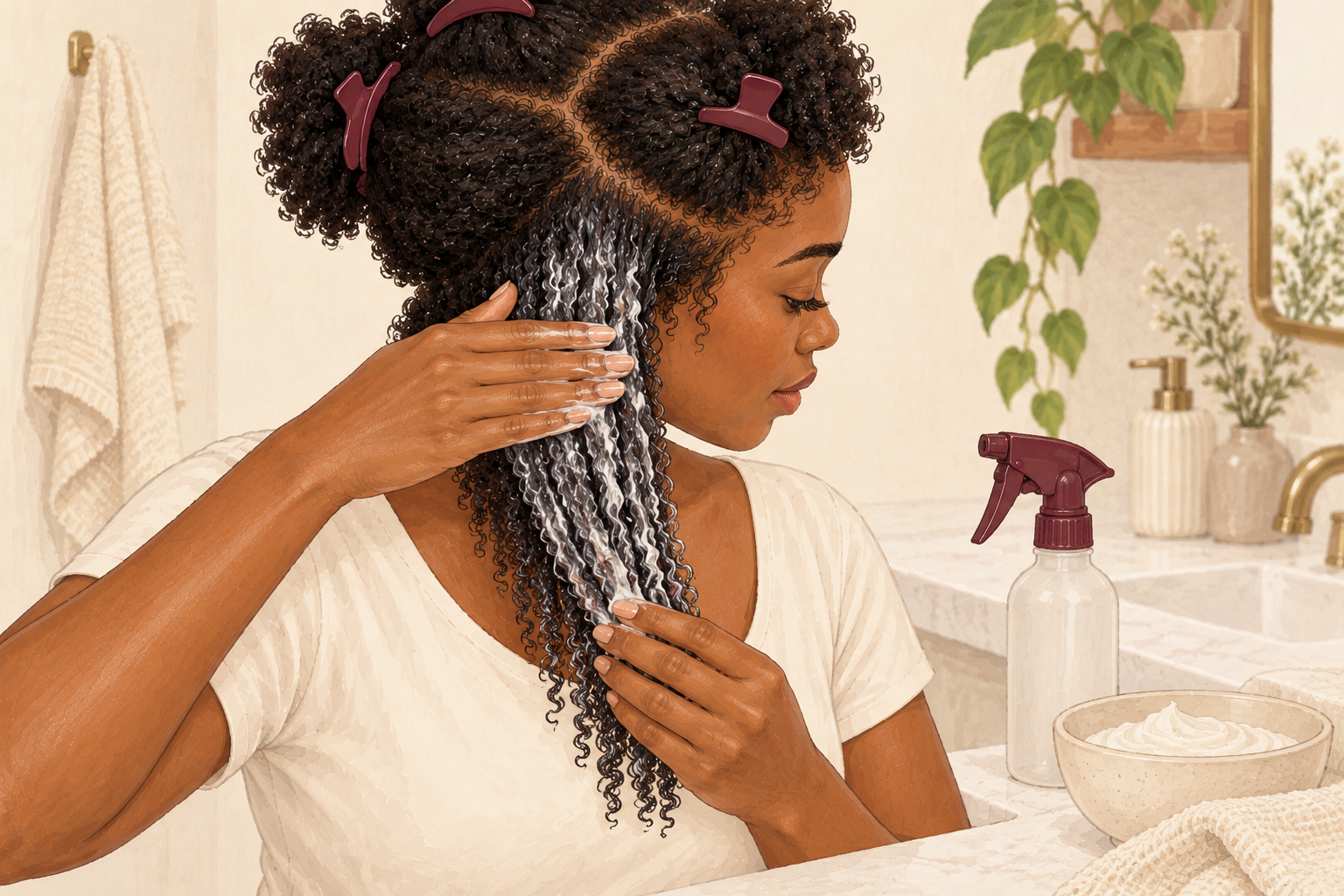
Pick a conditioner that feels slippery between your fingers and helps a comb glide. That slip is what stops snapping when you detangle. Rub a little between two fingers in the shop, and if it feels thin and watery, your hair may find it too light. Fine hair wants a lightweight cream, thick hair wants a richer one. Apply it from your ears down and leave it on for three minutes. Rinse until the slippery feeling is almost gone. If your hair feels coated afterward, use less or switch to a lighter option. Conditioner is the product that most changes how your hair feels day to day.
3. One leave in that fits your texture
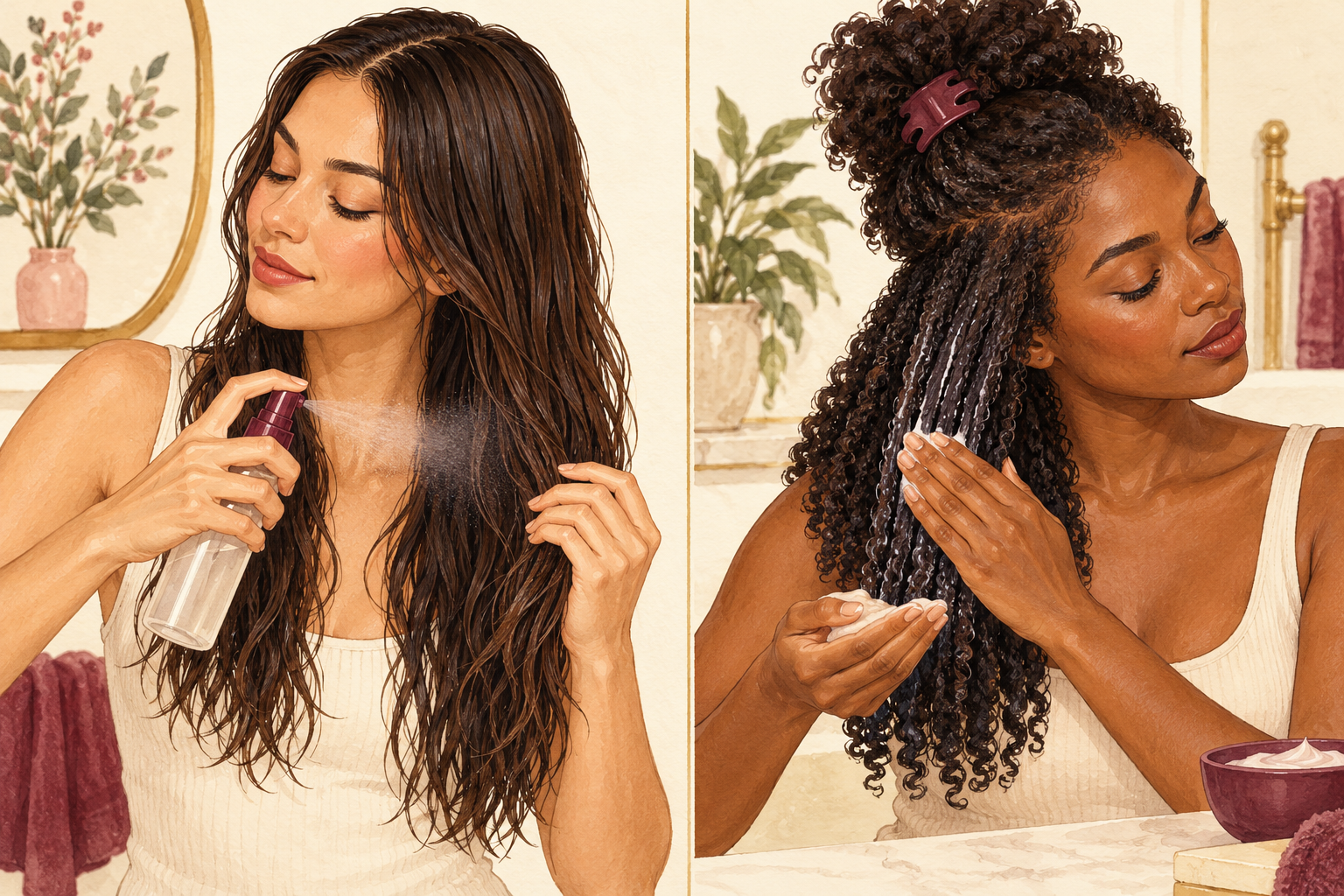
Match your leave in to your hair thickness: a light spray for fine hair, a cream for thick or coily hair. Use it on damp hair after washing, smoothing it through in sections. A leave in tops up the moisture that rinsing took out, and it makes combing easier on busy mornings. Start with a small amount, about the size of a coin, then add more only if the ends still feel rough. Straight hair usually wants the lightest kind. Curly and coily hair can handle thicker ones. If you find white residue or a sticky feel, you have used too much. One good leave in beats three that fight each other. Your leave in is only part of the shelf, so compare the rest with best hair products for frizzy hair.
4. A deep conditioner or mask
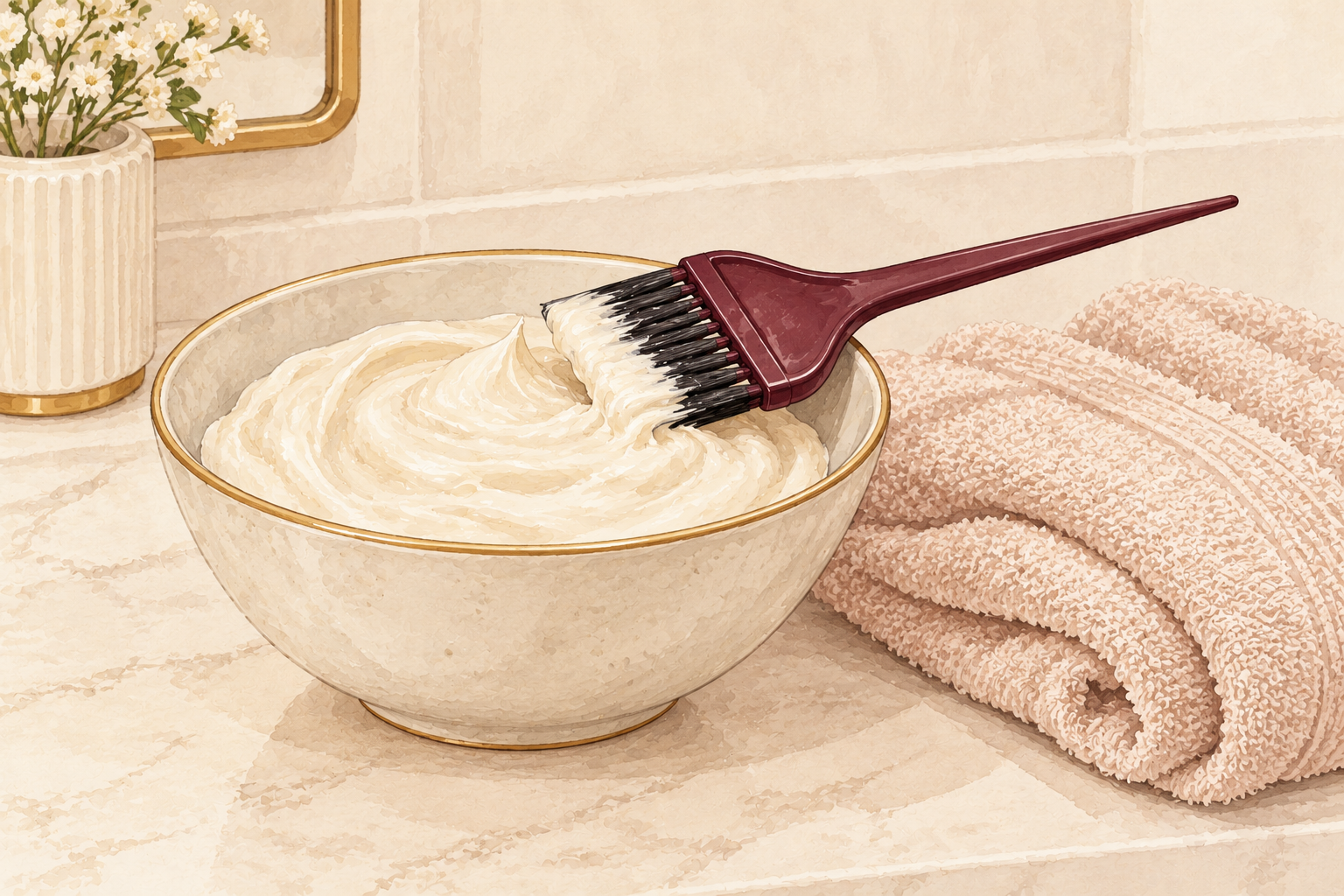
Use a deep conditioner once a week or once every two weeks, leaving it on for fifteen to twenty minutes. This is the product for dry, rough, colored or heat styled hair. Put on a shower cap or wrap a warm towel around your head to help it sink in. Rinse thoroughly, because leftover mask leaves hair heavy. If your hair is fine and oily, a light mask once a month may be plenty. The sign it is working is hair that feels soft after drying too, not only in the shower. If your hair feels mushy or limp, use it less often and use a smaller amount.
5. A heat protectant, if you use hot tools
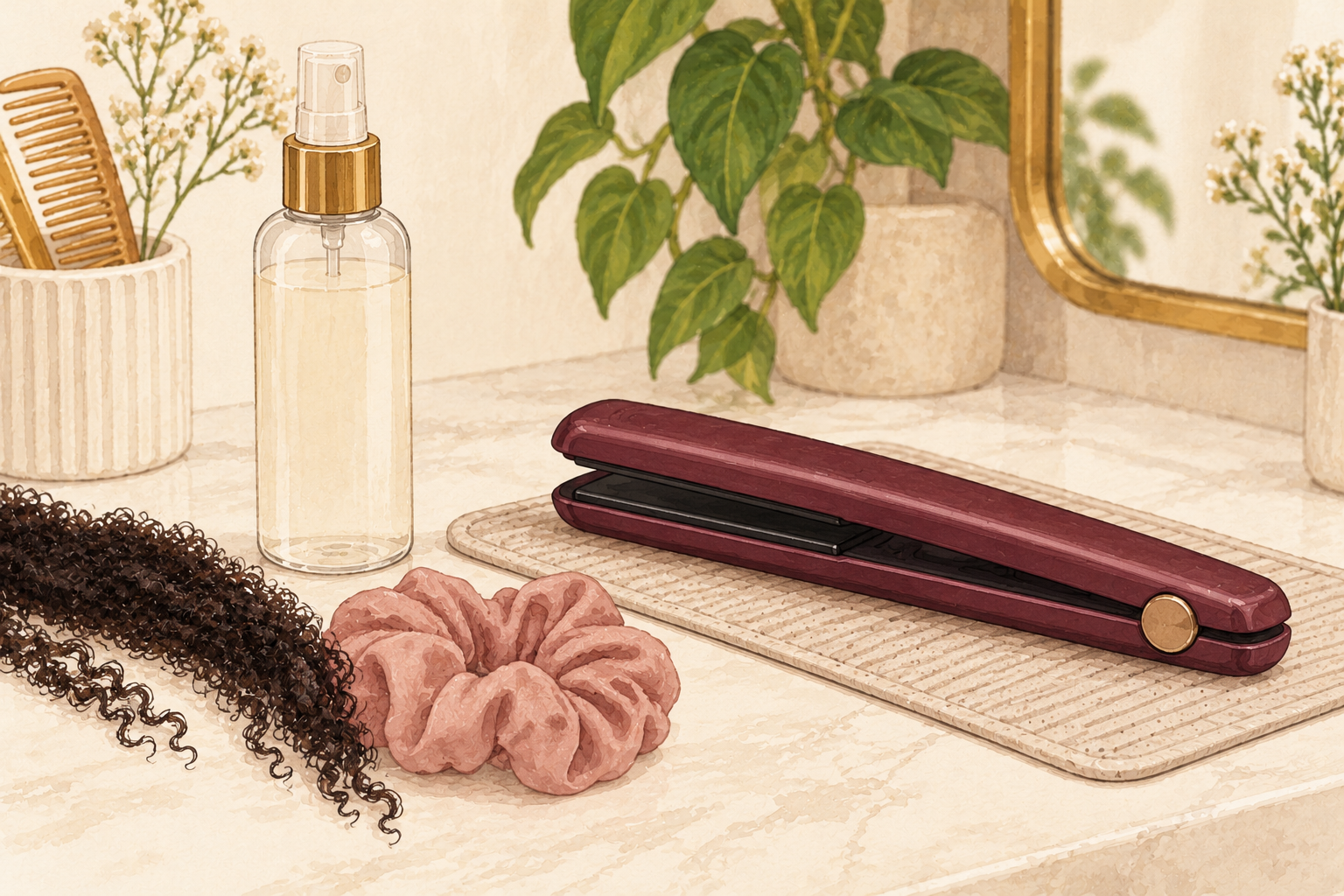
Spray it on damp hair before blow drying and on dry hair before an iron, then comb it through. Skip this product only if you never use heat. A protectant does not make heat harmless, but it slows the damage. Pick a light spray or cream and spread it evenly, section by section. Wait until your hair is dry to the touch before using the iron, because wet hair under a hot plate sizzles and snaps. Keep the heat setting as low as will do the job. You will notice less frizz and fewer split ends after a month of using it every single time.
6. A light oil for finishing the ends
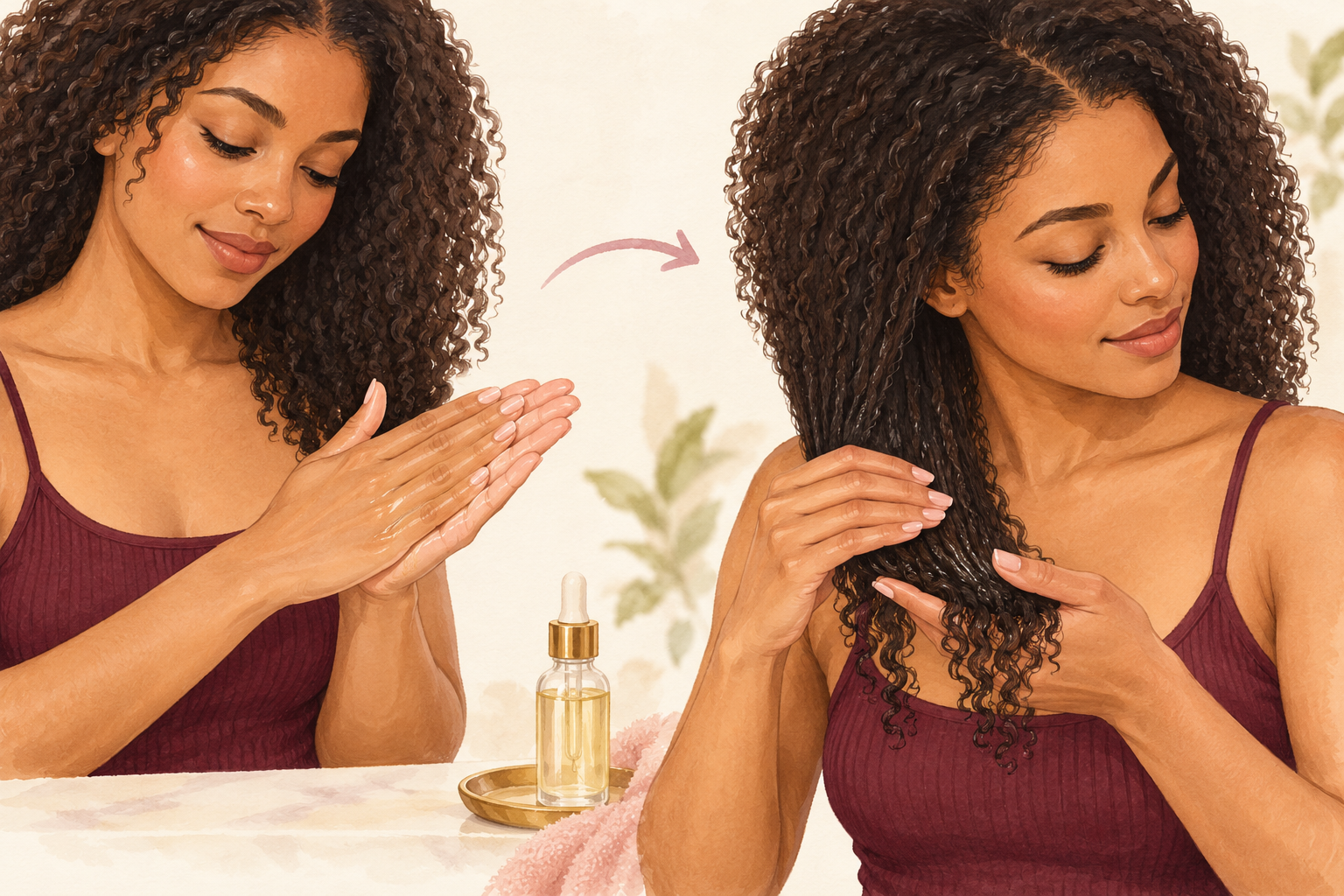
Warm two or three drops in your palms and smooth them over the ends only. A light oil, such as almond, jojoba or argan, gives shine and seals in the moisture you already added. Do it on damp or dry hair, but never pour it straight onto your head. Too much oil leaves hair greasy and weighed down by evening. Fine hair needs even less, just a drop. Think of oil as the last step and not the first. If your ends still feel dry after a week, you probably need more conditioner, not more oil. Keep the bottle small, since oils can turn smelly if they sit for too long.
7. A clarifying shampoo, used sparingly
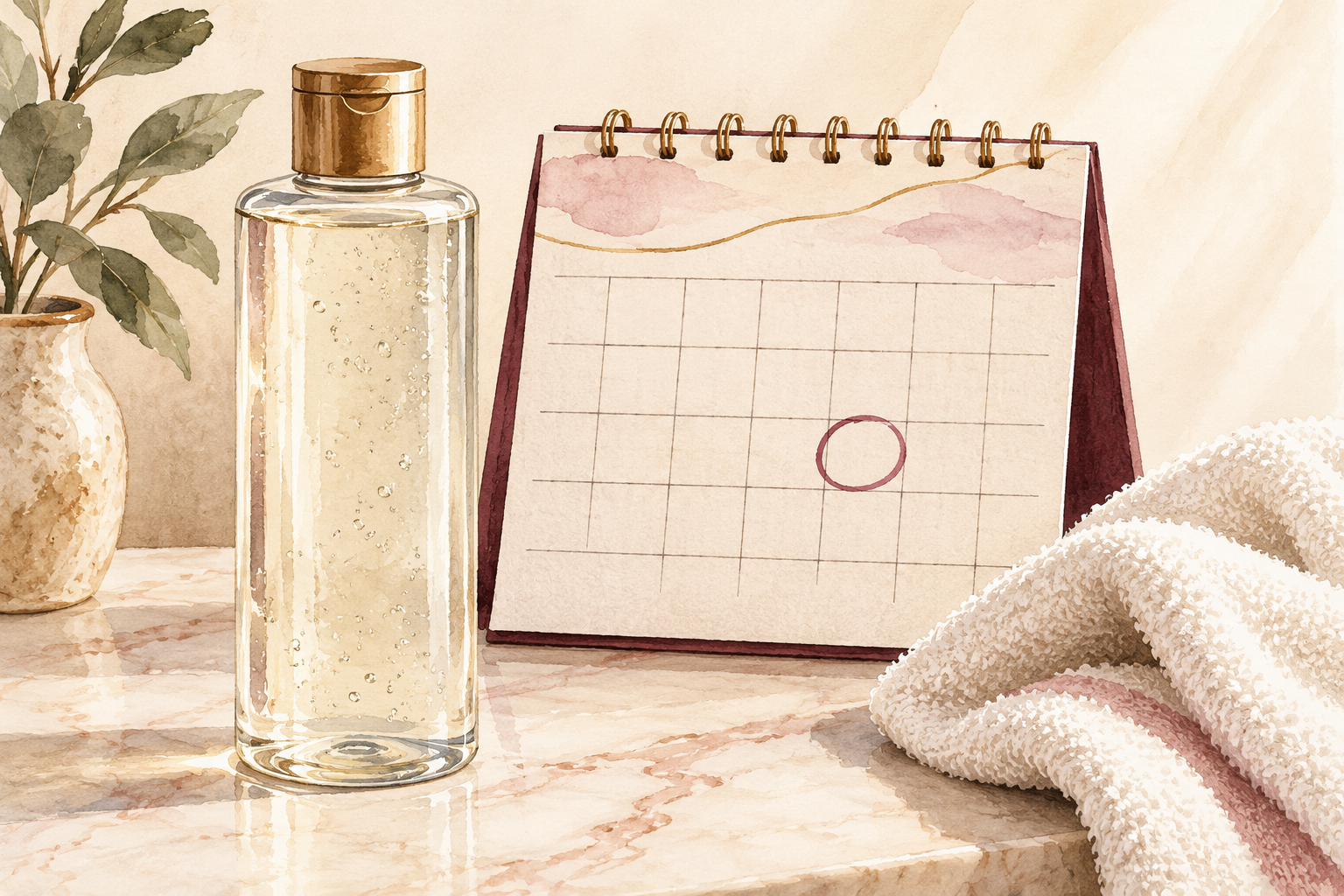
Use a clarifying shampoo once a month, or once every two weeks if you use a lot of styling products. It lifts the build up that normal shampoo leaves behind, such as old gel, oil and hard water residue. Your hair may feel squeaky afterward, and that is normal. Always follow with a good conditioner, since it can be drying. If your hair feels coated, dull or heavy even after washing, clarify. If it feels dry and rough, skip it. Used too often it strips your hair, and used never it lets everything pile up. The sweet spot is a monthly rinse.
8. A scalp treatment only if you have a reason
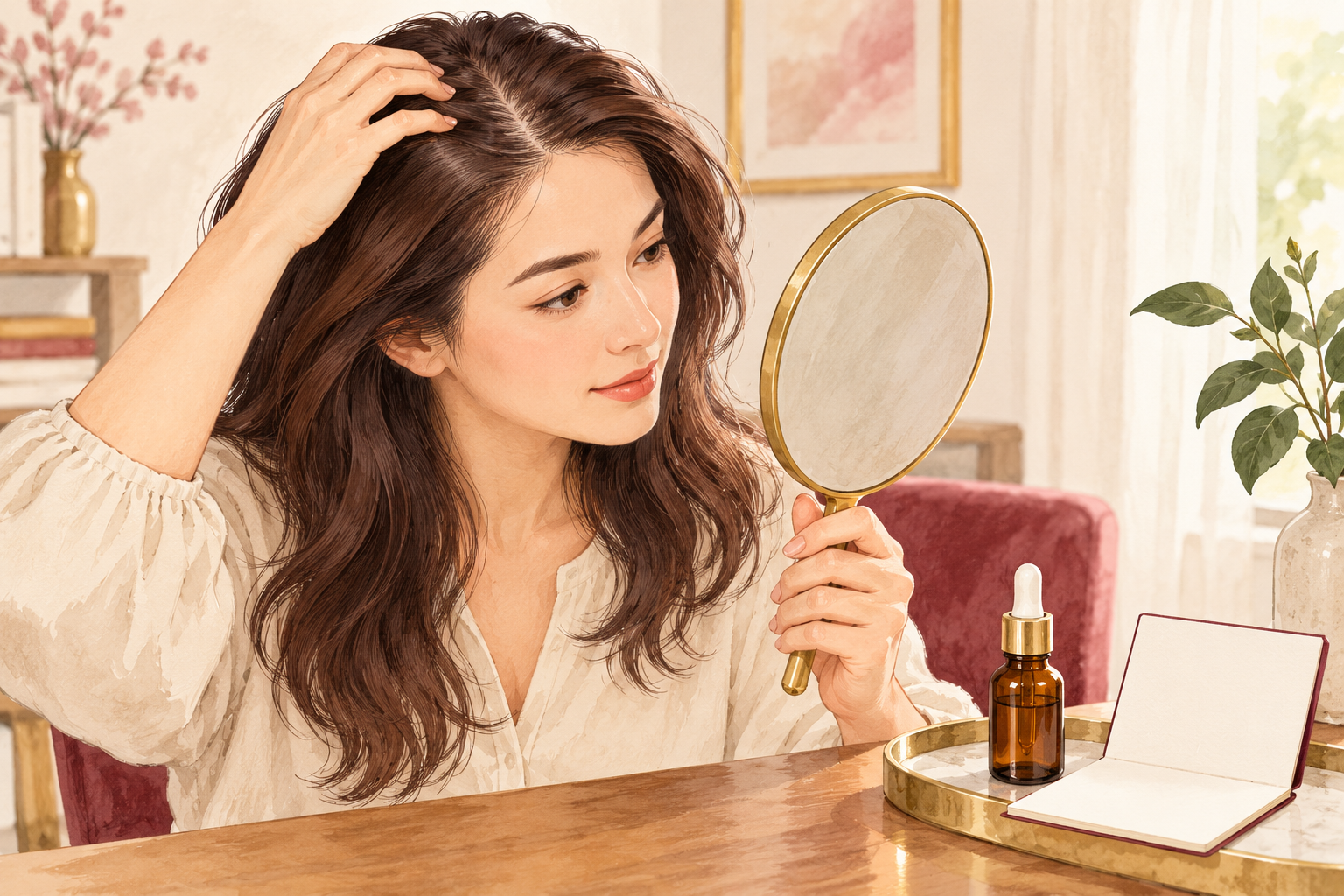
Buy a scalp product when you can name the problem, such as dryness, flaking or oiliness. If your scalp is comfortable, you do not need one. Apply a few drops along your partings and massage with the pads of your fingers for a minute. Do a patch test first by dabbing a little on your inner arm and waiting a day. Stop if it stings or itches. Give it four weeks before deciding. Scalp products are easy to overuse, because they feel like self care. Choose one that matches your problem and ignore the rest, as a shelf full of serums often calms nothing.
9. Dry shampoo is a bridge, not a replacement
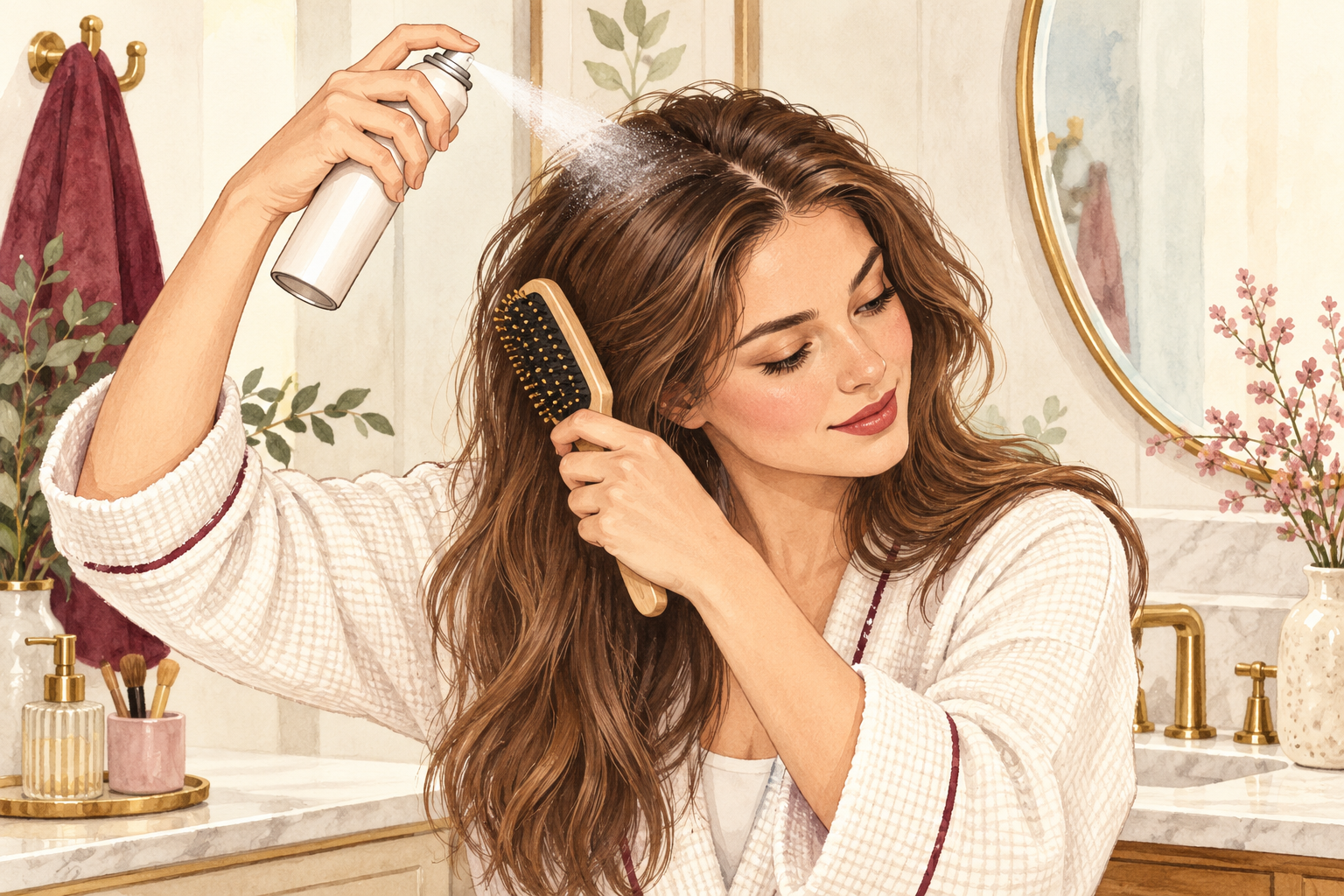
Spray dry shampoo from a hand’s length away at the roots, wait a minute and brush it through. It buys you an extra day between washes, and no more. If you use it for three days in a row, powder and oil pile up on your scalp and cause itching. Wash properly on your next wash day. A light puff at the roots is all you need, so skip the long spray. Brush it out well so it does not leave a gray look. Dry shampoo is a handy emergency item, but it does not clean anything. Keep one can and use it rarely.
10. Heavy butters and gels on fine hair
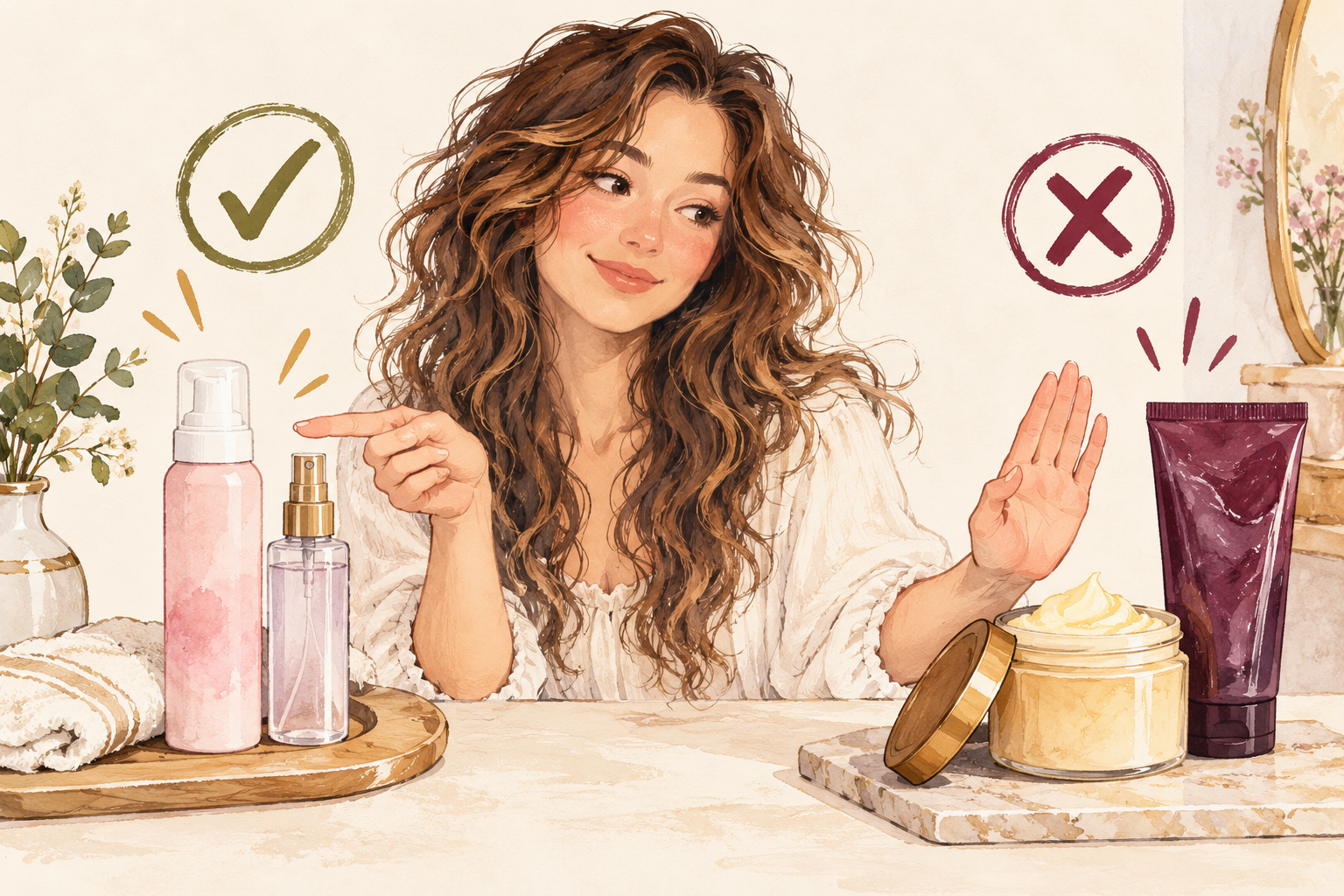
Skip thick butters and strong hold gels if your hair is fine, straight or easily weighed down. They sit on the surface, flatten the roots and leave a greasy film. Save them for thick, coily or very dry hair that can carry the weight. If you want a little hold, try a light mousse or a spray. A heavy product is not wrong, it is simply wrong for you. If your hair looks limp by lunchtime, your products may be too rich. Switch one thing at a time and you will find the culprit within a couple of washes. Lighter feels better on fine hair.
11. Read the ingredients and skip the hype
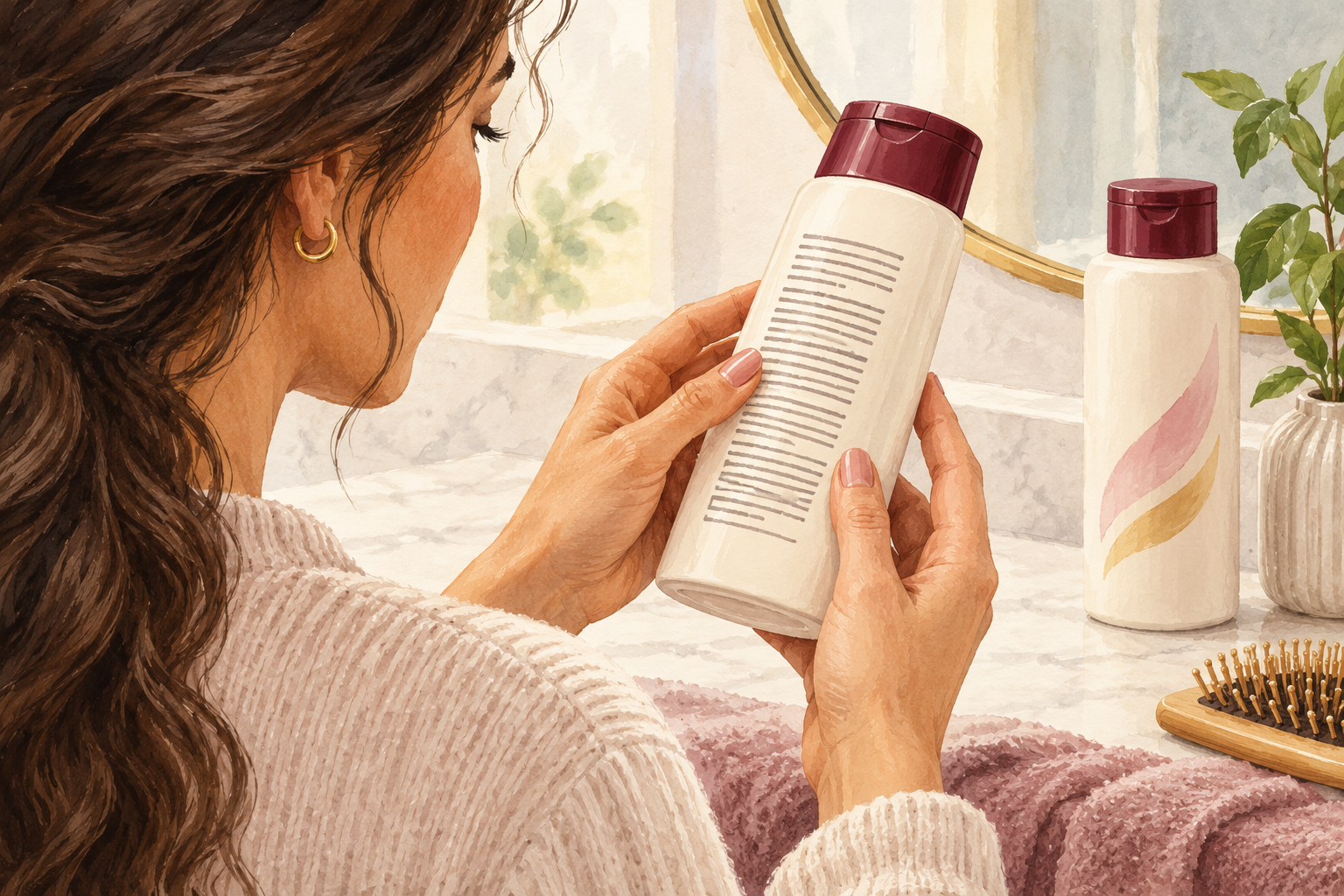
Turn the bottle around and read the first five ingredients, because that is most of what is inside. Water usually comes first, and that is fine. If butter or oil leads the list, it is a rich formula. Ignore the big claims on the front, like miracle or instant. A good product describes what it does in plain words, such as moisturizing or lightweight. If you see something your scalp reacted to before, put the bottle back. Strong perfume at the top can irritate sensitive skin. You do not need to study chemistry. You only need to know what your hair likes and what it hates.
12. Try small sizes and finish what you open

Buy the smallest size first and use it up before trying another. Hair needs about four weeks to show how it feels about a product, and two or three washes tell you almost nothing. Write the date on the bottle. After a month, ask whether your hair is softer, easier to comb and less frizzy. If yes, buy the bigger bottle. If no, finish the small one and move on. Never open three new bottles in the same week, or you will not know which one helped or hurt. The best hair care products are the ones you use up happily.
Complete the Routine: Hair Care Products You Can Trust
Start with a gentle shampoo and a slippery conditioner, and add one product at a time. Once the first steps feel easy, browse the guides below for the next product or habit worth a try on frizzy days.