The shelf at the store is a wall of promises, and half of them leave your hair fuzzier than before. Frizzy hair does not need ten products at once, it needs the right layers in the right order. These are the best hair products for frizzy hair, 12 picks in the order you use them, from wash day to the last touch. Start at number one tonight.
1. A gentle daily shampoo
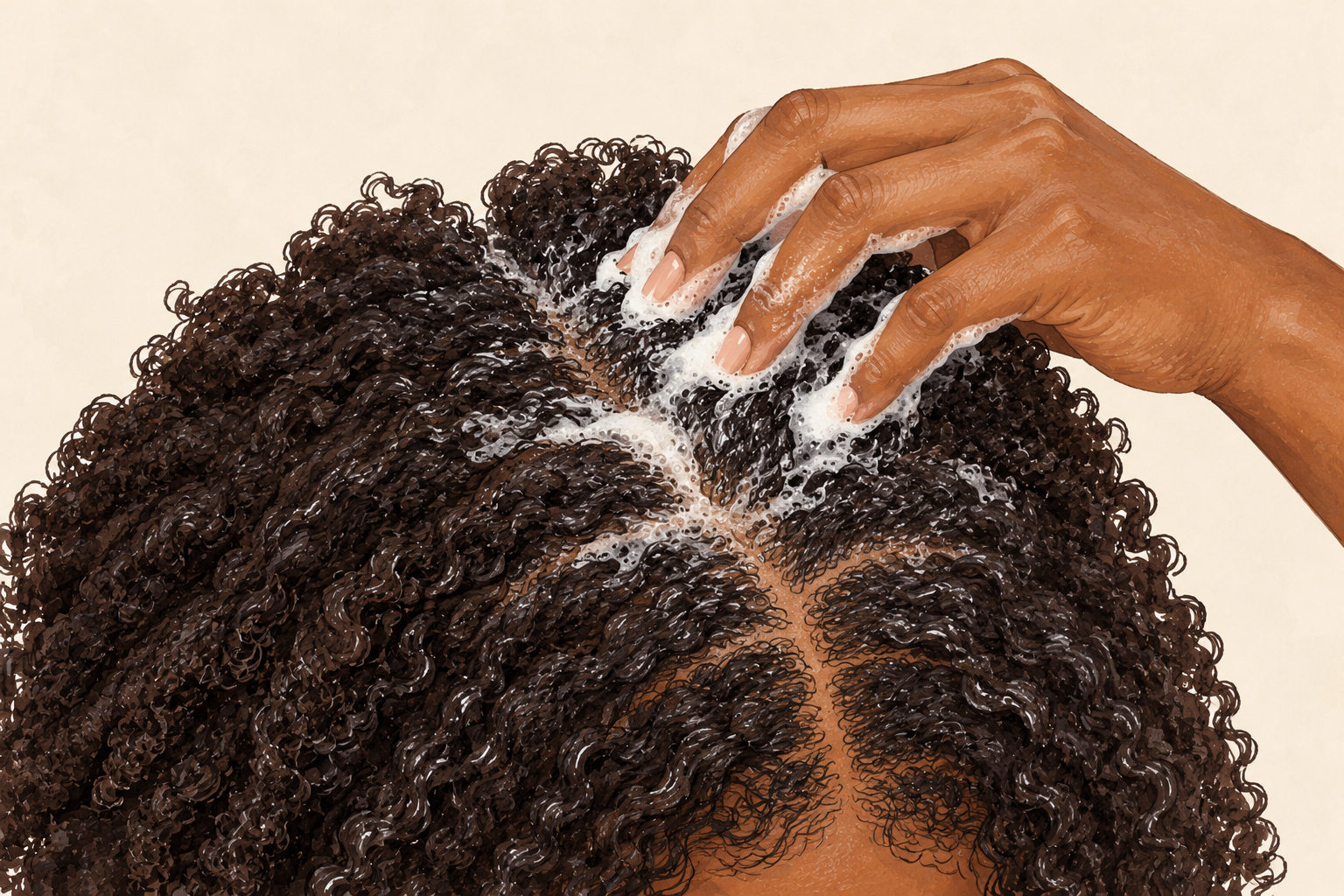
Choose a mild, moisturizing shampoo that cleans the scalp without squeaking. Frizzy hair is usually dry, and harsh formulas strip the little oil it has. Look for words like hydrating, sulfate free or gentle on the front of the bottle. Use a coin sized amount and massage it into the roots only, then let the suds run down the lengths. You should finish with a scalp that feels clean and hair that is not tight or rough. If your hair feels stiff after rinsing, switch to a softer formula. Start here, because the best hair products for frizzy hair cannot work on a scalp that is dirty or a strand that is stripped.
2. A clarifying shampoo for monthly resets
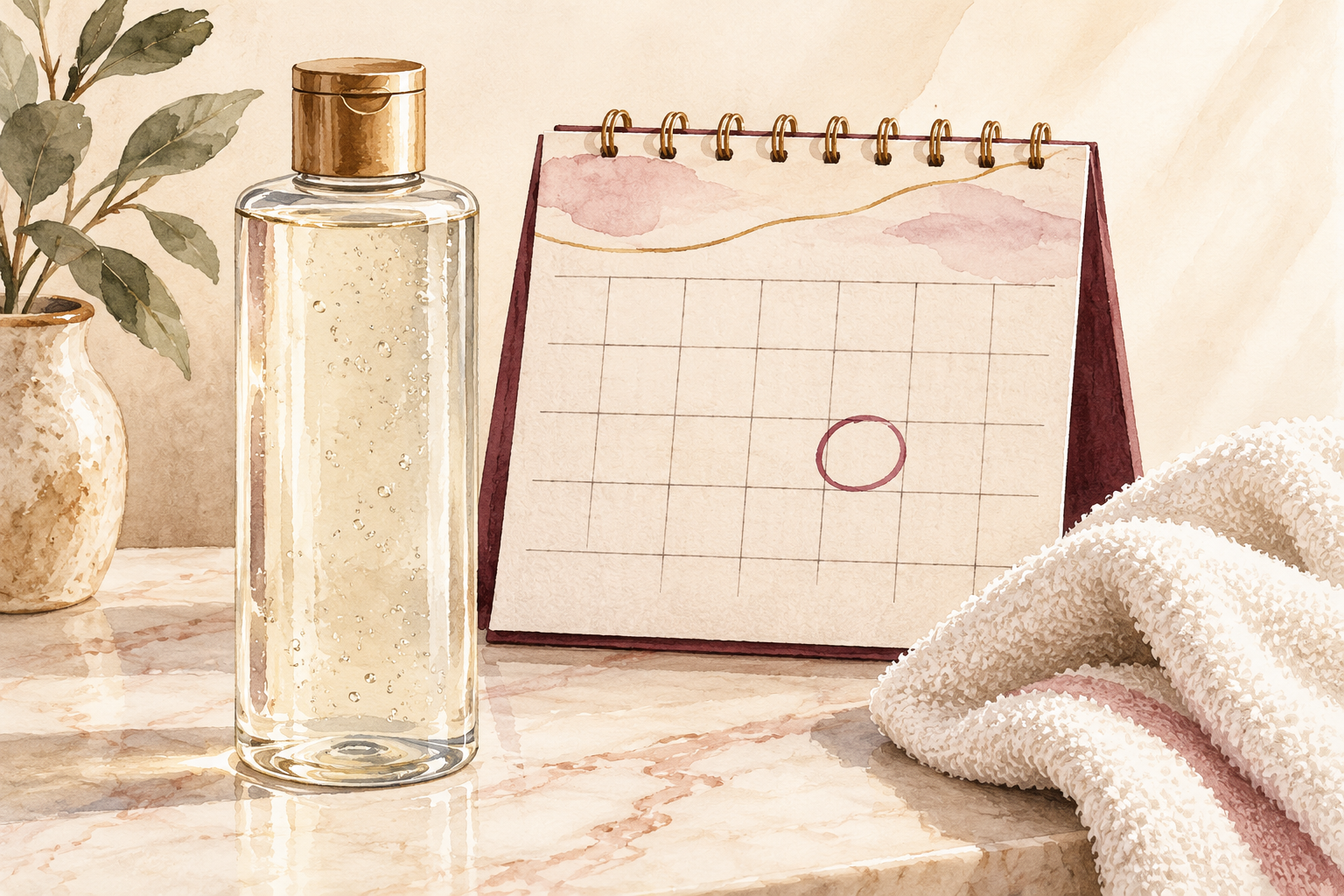
Use a clarifying shampoo once every two to four weeks to wipe away build up. Layers of serums, creams and dry shampoo coat the strand and block moisture, which makes hair look fuzzy no matter what you add. Wash once with the clarifier, rinse well and follow with a rich conditioner or a mask. It can feel tight, and that is normal for a day. Do not use it every week, because it strips too much. If you swim or use lots of styling products, go closer to every two weeks. Afterwards your hair will feel lighter and bouncier, and the next product you add will sink in better than before.
3. A rich, slippery conditioner
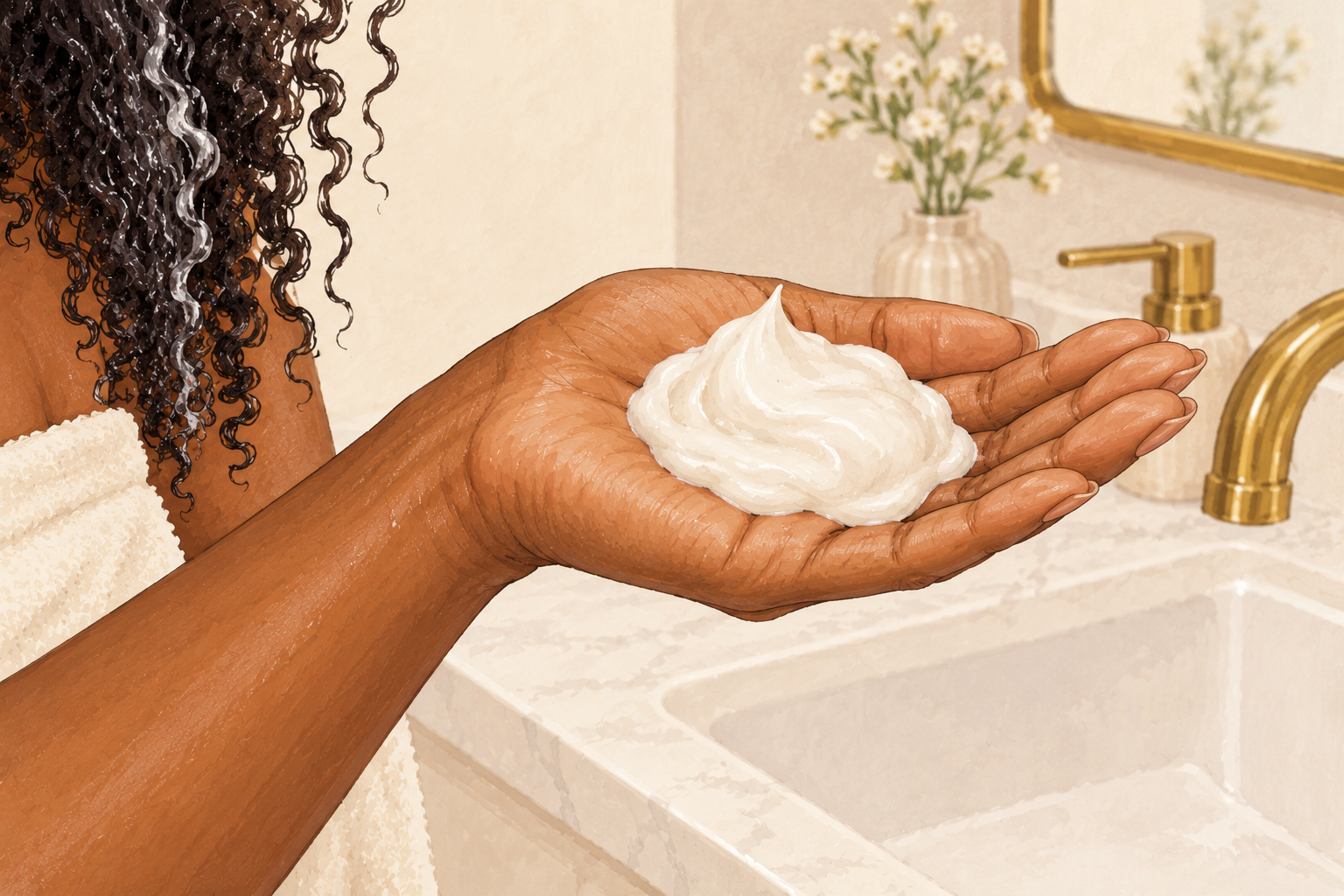
Pick a thick conditioner that feels slippery between your fingers and leave it on for three to five minutes. Slip is what lets a comb glide through without snapping the strand, and snapped strands become frizz. Smooth it from the ears downward, then comb it through with a wide tooth comb. Rinse with cool water. Look for butters, oils and aloe near the top of the label. If your hair feels coated after rinsing, you used too much or left it too long. Thick, curly or coily hair can handle a heavier one than fine hair. Fine hair does better with a lotion texture that rinses clean.
4. A weekly deep conditioning mask
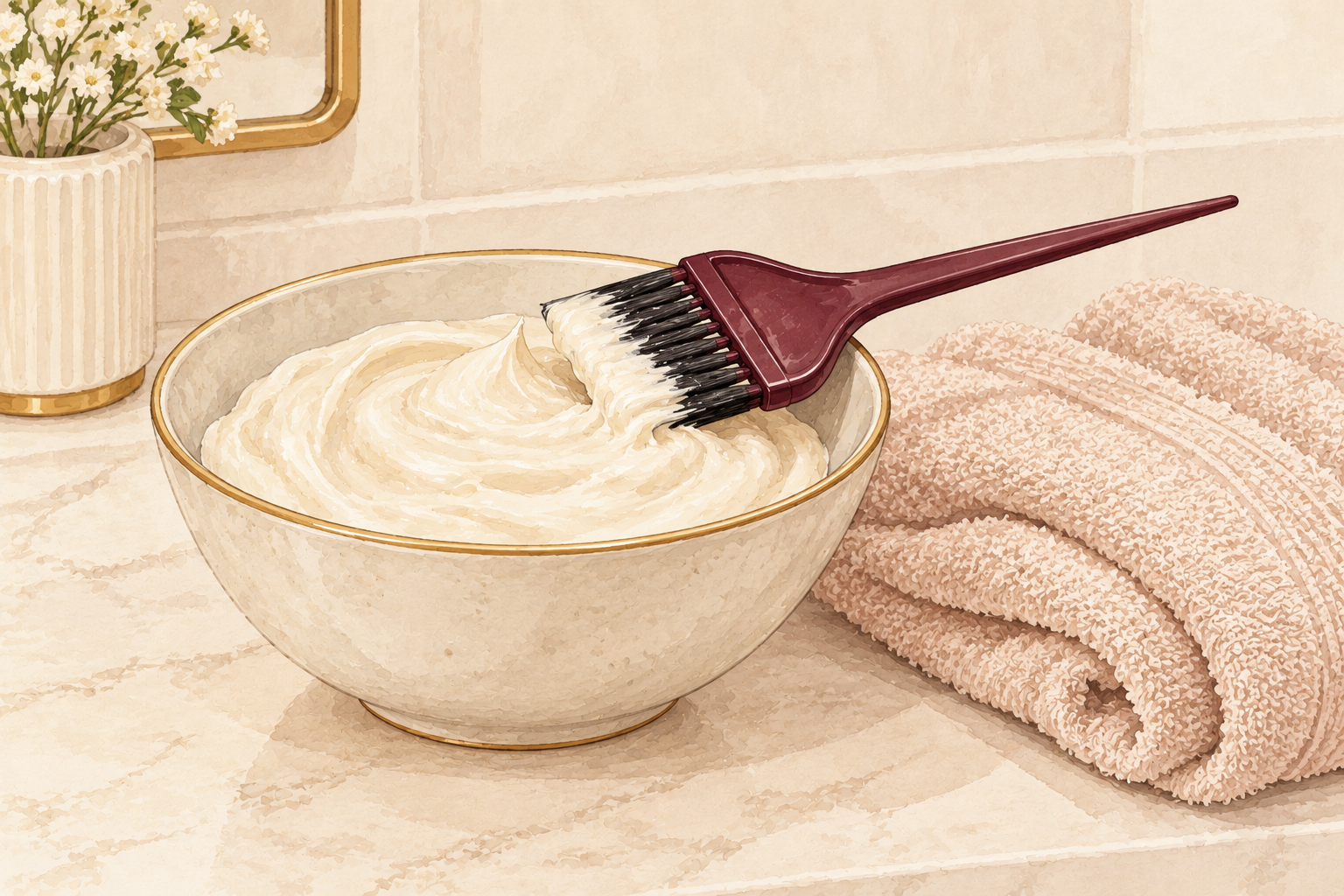
Add a mask once a week and leave it on for fifteen to twenty minutes under a shower cap. This is where frizzy hair gets real softness. A mask carries more moisture than a regular conditioner, and the cap traps warmth to push it in. Use a light one if your hair is fine and a heavy one if it is thick. Rinse thoroughly and pat dry. After a few weeks you will probably notice ends that feel smooth, a calmer crown and hair that tangles less in the shower.
5. A leave in that fits your texture
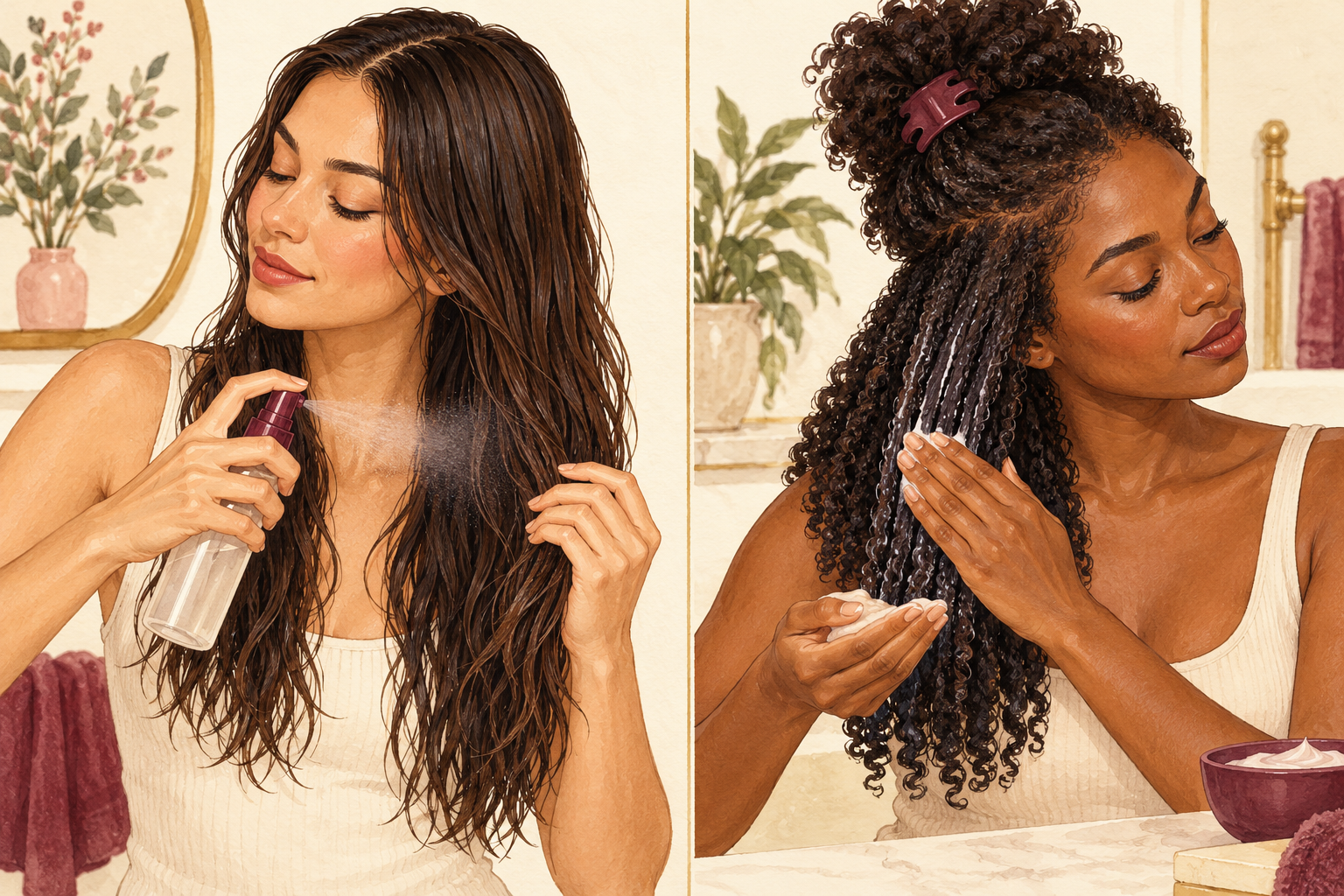
Choose a leave in by hair type, light spray for fine hair, soft lotion for waves, thick cream for curls and coils. Smooth a pea sized amount, or a few sprays, through damp hair right after washing. It acts as a second layer of moisture that stays in all day. Comb it through, then let your hair dry. Skip rinsing it out. If your hair feels sticky or flat, you used too much, so cut the amount in half. Fine hair can skip it on days when the hair already feels smooth. Spread it evenly so every strand gets a little.
6. A gentle strengthening treatment, used sparingly
Use a mild protein treatment only once every two to four weeks, and only if your hair is limp or breaks easily. Protein patches weak spots in the strand, which helps damaged hair frizz less. Too much makes hair stiff and brittle, so follow it with a moisture mask on the next wash. Stretch a wet strand gently to test. If it snaps, it needs strength. If it feels mushy and stretches a lot, try the treatment. If your hair already feels strong, skip this one entirely. Look for words like keratin, amino or strengthening on the front, and rinse it out fully so no film is left on the hair afterwards.
7. A smoothing cream or lotion
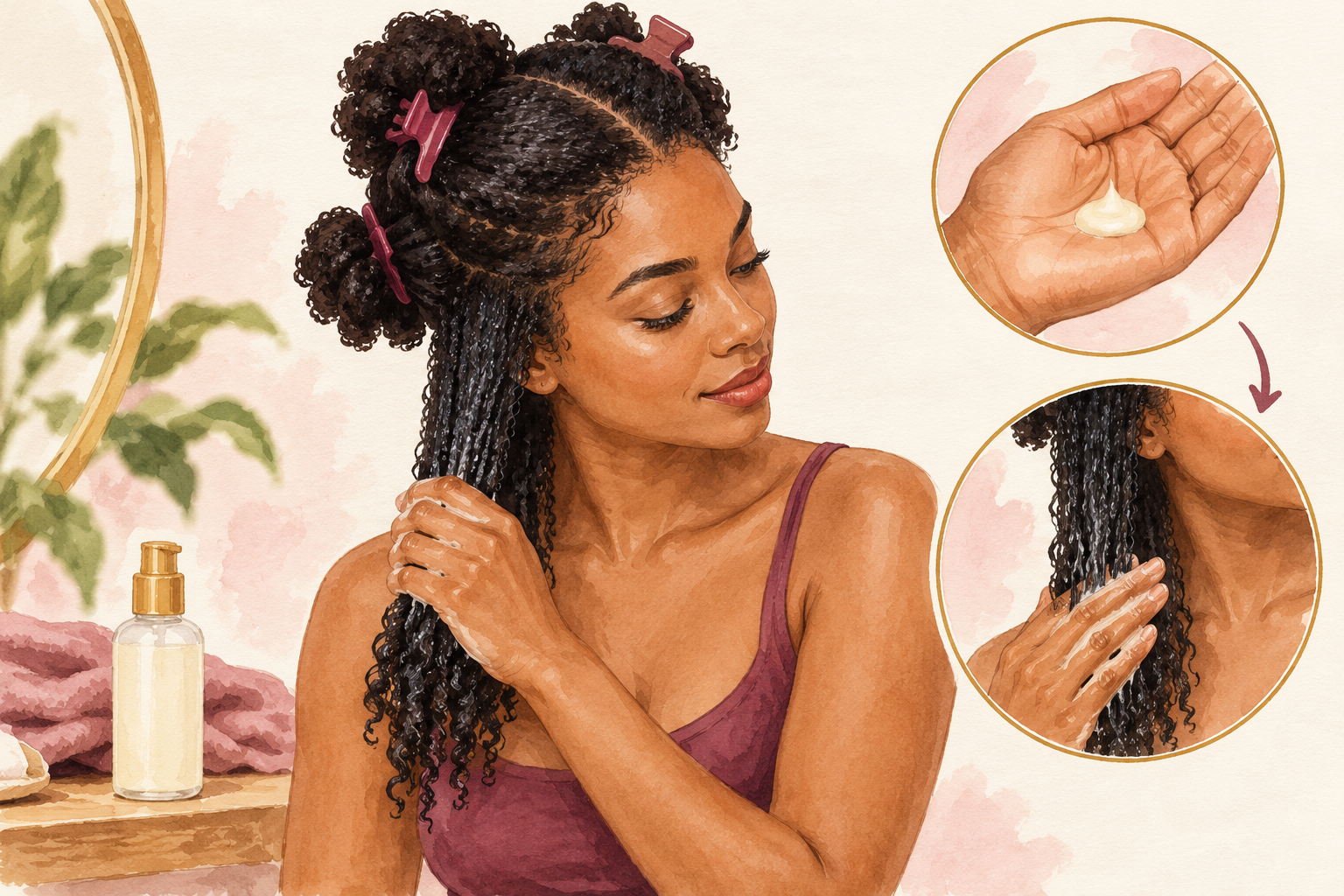
Smooth a pea sized dab of cream through your lengths while they are damp, before you style. It forms a soft barrier against humidity and keeps hair from puffing out. Pick a lotion texture for straight and wavy hair, and a richer cream for curly and coily hair. Apply it in sections, working from the ends. Avoid the roots, where it can make hair look flat. If you wear your hair up often, use a little more at the nape and the crown. It works best on freshly washed hair. You will probably notice less puff by midday, and the top layer lies flatter when the weather turns damp.
8. A flexible hold gel for wavy and curly hair
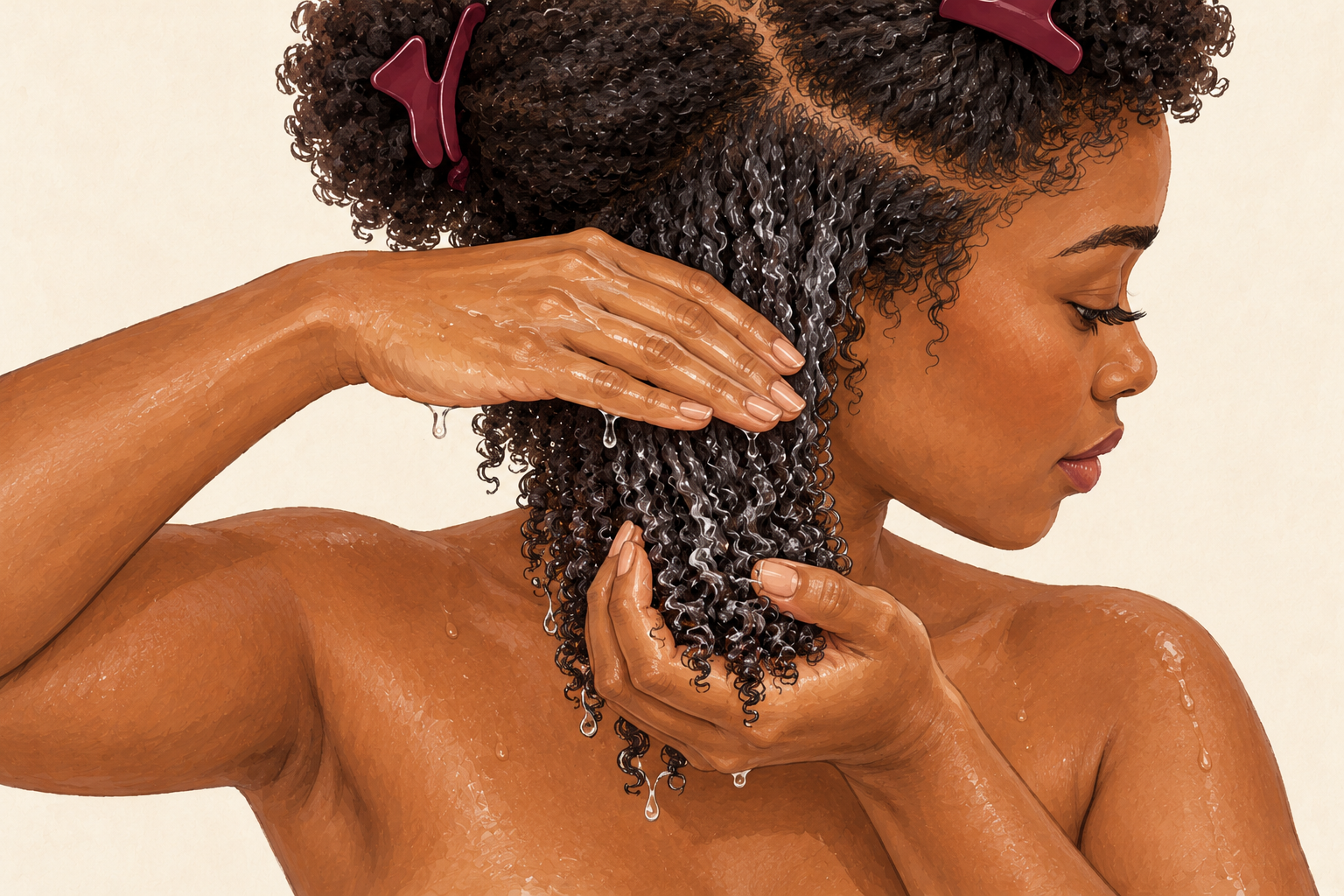
If your hair is wavy or curly, scrunch a soft hold gel through soaking wet hair to lock in the shape. Gel is the best tool against frizz because it holds the curl together while it dries. Rake it through with your fingers, then scrunch upward and do not touch your hair as it dries. Once fully dry, scrunch out the crunch with your hands. Choose a flexible formula, not a rock hard one. Straight hair can skip this step. Wavy hair does best with half the amount of curly hair, so start with a coin sized scoop and go up only if the shape falls flat. White flakes after drying mean you used too much.
9. A light serum or oil
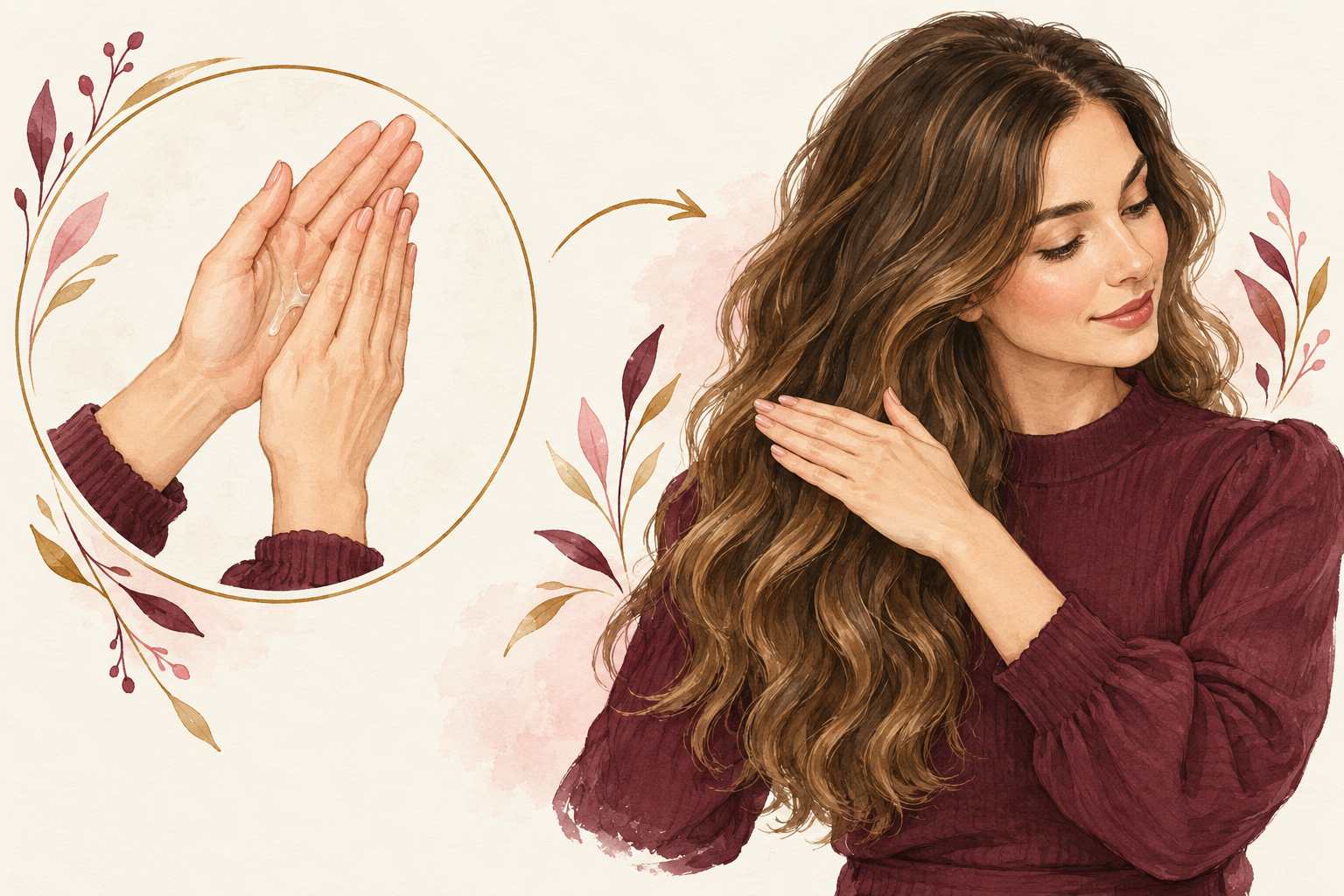
Finish with one or two drops of a light serum or oil on dry hair, on the ends only. This is the last layer, and its job is shine and flyaway control. Warm it between your palms and press along the surface. Fine hair does best with a single drop. If you put on too much, your hair will look greasy, so start small. Skip it on days when your hair already feels soft and smooth. It makes your hair glossy and easy to smooth for a good few hours. Press it in rather than rubbing, so the strands stay flat.
10. A heat protectant if you use hot tools
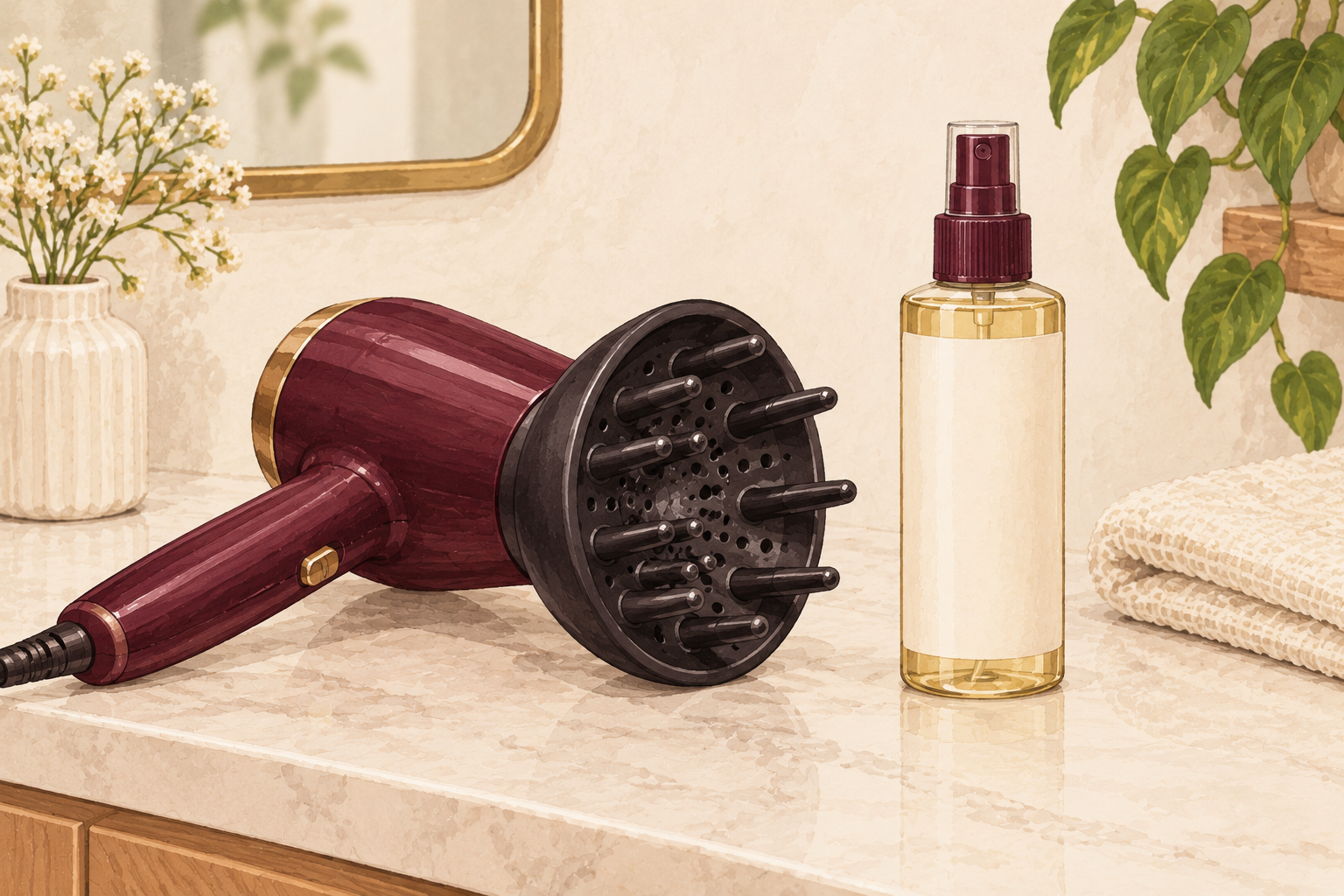
Spray a light heat protectant over damp hair before every blow dry, flat iron or curl. Heat can wreck dry hair in a single session, and this layer slows that damage. Spritz evenly from about six inches away and comb it through. Let the hair dry a little before tools touch it, otherwise the water can sizzle. If you do not use heat, this step is not for you. Keep your tool at a medium setting for the best result, and never go over the same piece more than once. Dryer, iron or wand, the rule is the same.
11. Buy in this order
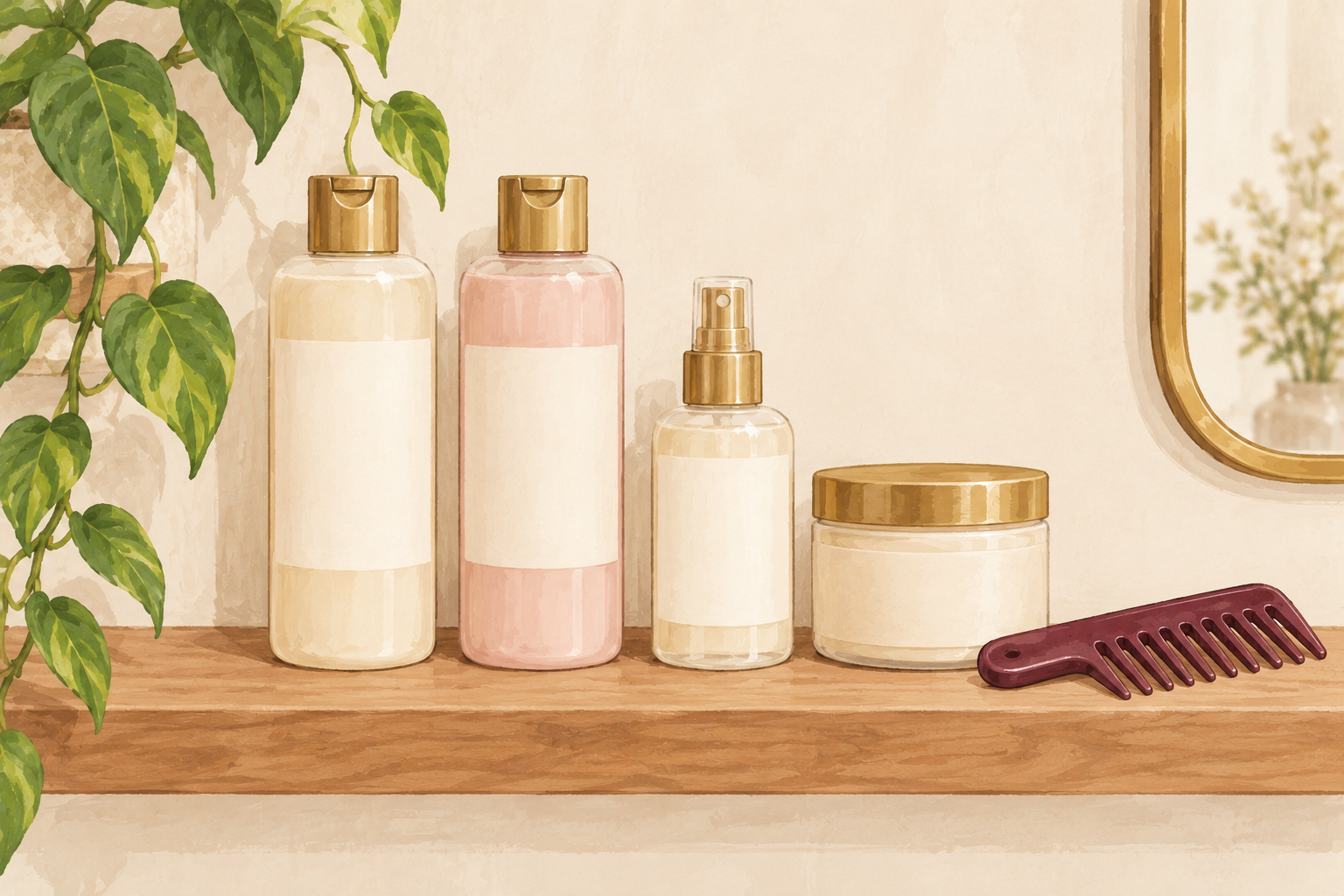
Start with a gentle shampoo, a rich conditioner and a leave in, and add the rest slowly. Those three do most of the work. Next, pick up a weekly mask, then a serum or cream for finishing. Add the gel, the protein treatment and the heat protectant only if your hair needs them. Buying everything at once makes it impossible to tell what is helping. Add one product every two weeks, and write down how your hair feels. A short kit used well beats a full cupboard used badly. If you are unsure where to begin, start with step three and build upward.
12. Test small and give each product four washes
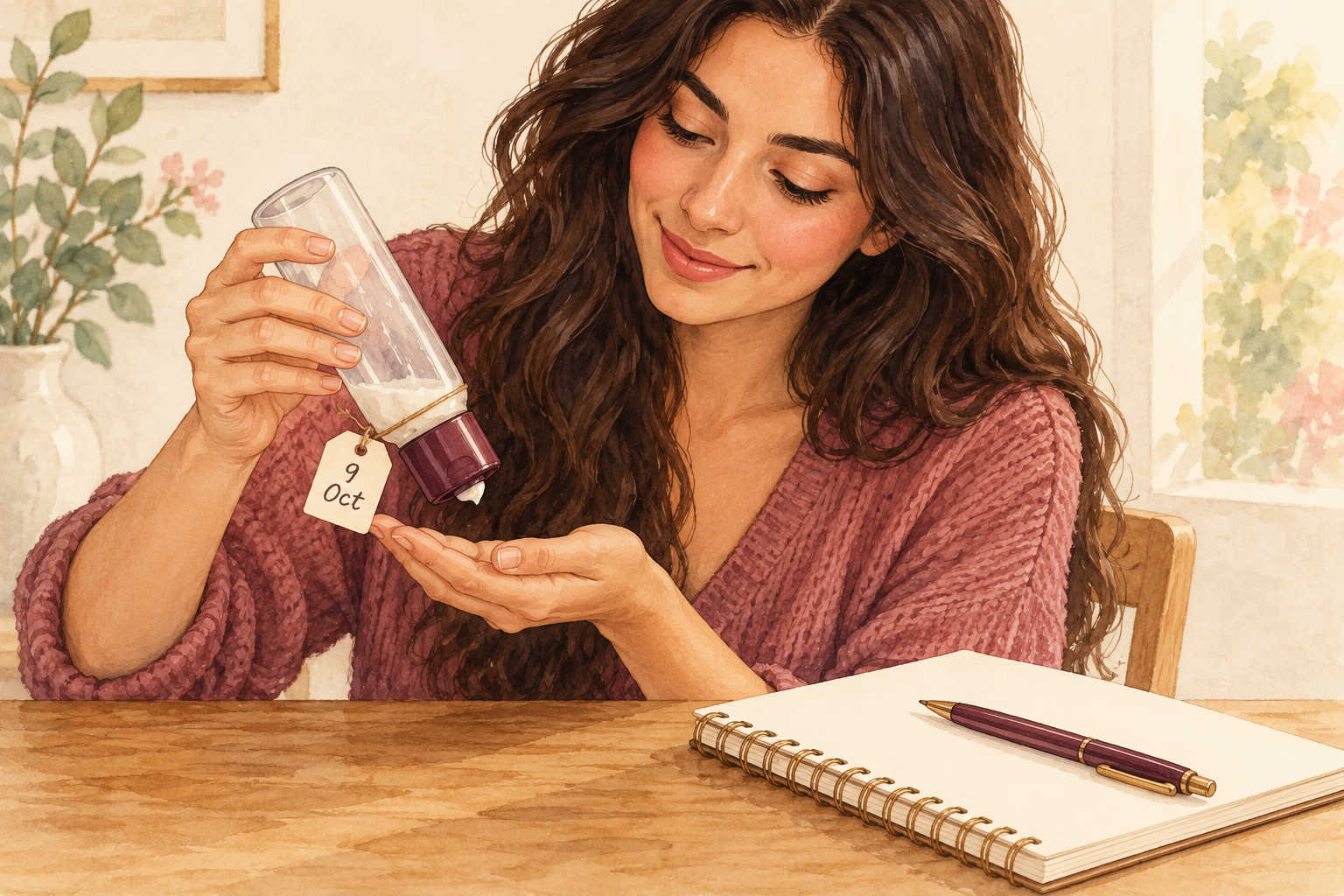
Try a travel size or small amount first, and use each new product four times before you judge it. Hair needs time to react, and the first wash can feel strange. Notice if your hair feels softer, easier to comb and less puffy by the fourth wash. Do a patch test on your inner arm if you have sensitive skin. If it leaves your hair stiff, sticky or itchy, stop using it. Keep what works in your routine, and give away what does not. A small notebook beside the mirror makes the notes easy to keep, and four washes later you will know without guessing.
Complete the Routine: Best Hair Products for Frizzy Hair Start Here
Pick the first product on your list and test it this week. Next, read about the best conditioner for frizzy hair and a hair mask for frizzy hair.