You grab a bottle with a big growth promise on the front, wash with it for a month, and your hair looks exactly the same. Shampoo cannot grow hair on its own, but the right one keeps your scalp calm and your strands from snapping. The best shampoo for hair growth is the one that fits your scalp, and these 12 checks help you find it. Start at number one before you buy.
1. Remember that shampoo is a cleanser
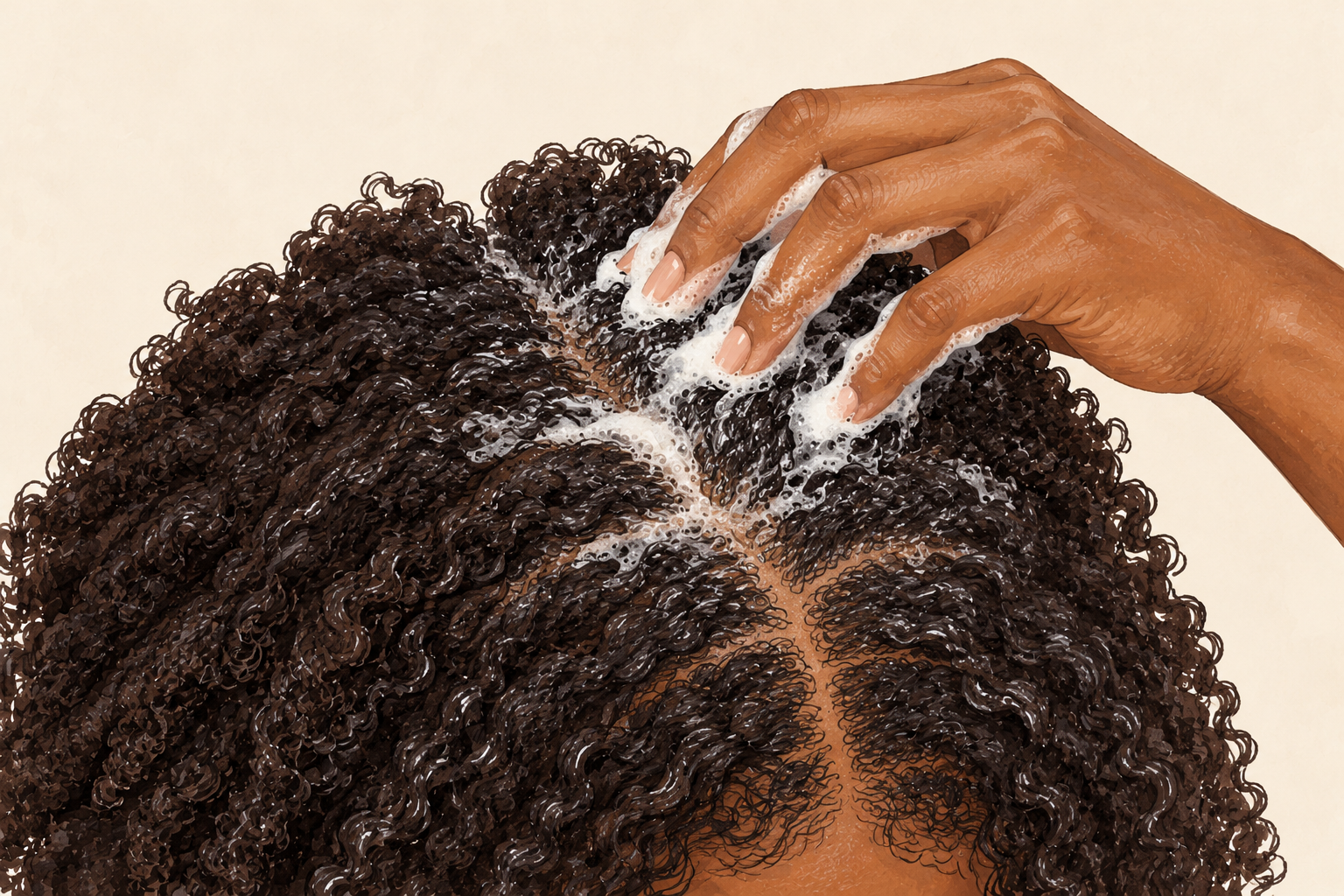
Expect clean hair and a comfortable scalp from your shampoo, and look to your habits for the rest. Shampoo sits on your head for about two minutes before it goes down the drain, which is not long enough to change how fast hair grows. What it can do is clear oil, sweat and old product so your follicles are not clogged. A good wash makes your other steps work better. Stop hunting for a magic bottle and look for a mild one you can use comfortably twice a week. Think of it as clearing the ground before you plant anything.
2. Judge the shampoo by how your scalp feels

Wash with it for three washes, then notice whether your scalp feels calm, tight, itchy or oily. A calm scalp is the goal, since irritated skin sheds more and heals slowly. Comfortable means no sting, no tight pulling feeling and no flakes by day three. If your scalp feels tight, the formula is too strong. If it feels coated or greasy by day two, it is too rich. Write down how you feel after each wash, and you will quickly see which shampoo is the odd one out. Give a new bottle three washes before you decide, because scalps need a moment to adjust.
3. Look for mild cleansing agents
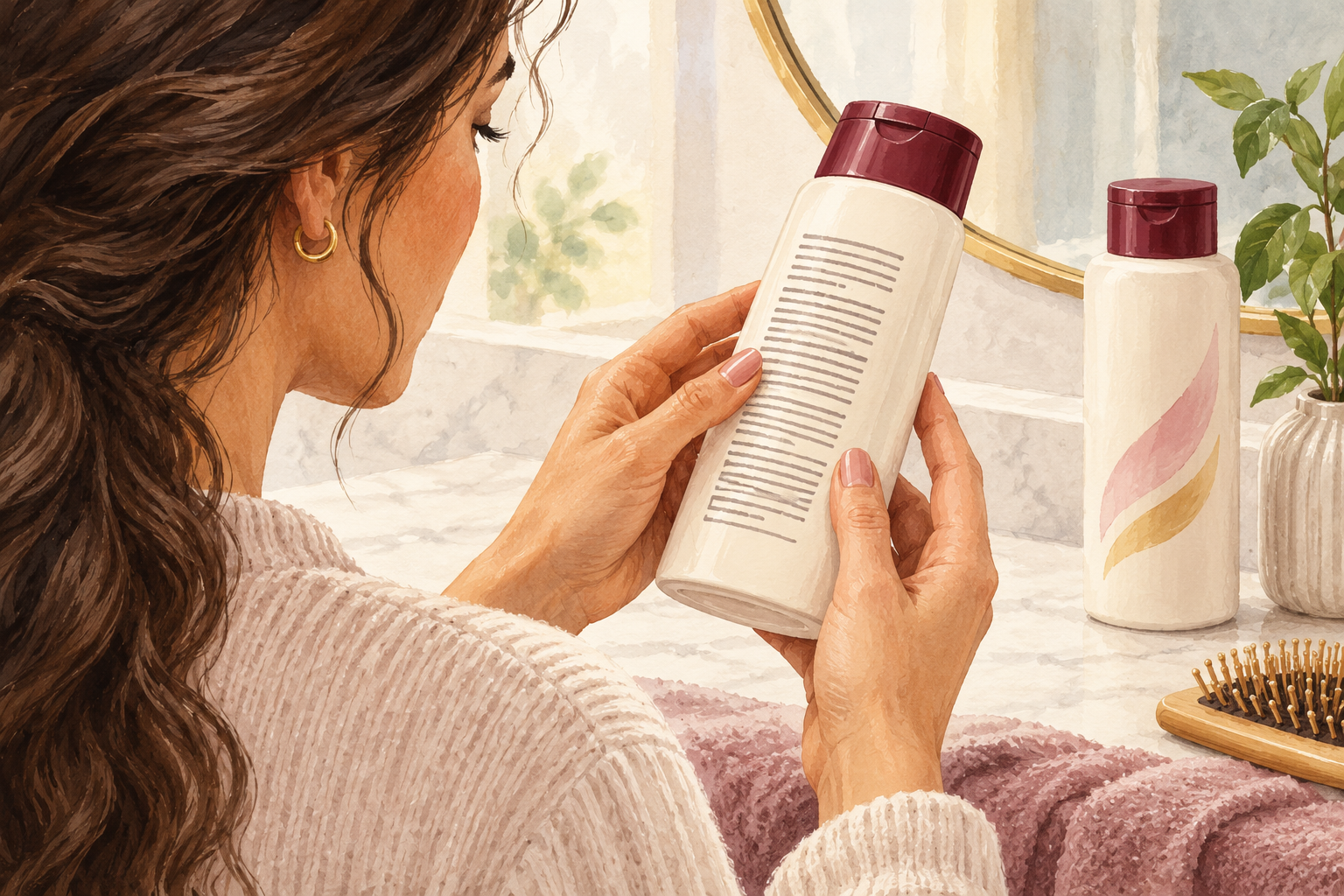
Read the first five ingredients and look for gentle cleansers with words like cocamidopropyl betaine or decyl glucoside. The first few ingredients make up most of the bottle. Mild cleansers lift oil without stripping every bit of it, so your scalp does not have to overproduce to make up for it. Skip anything with a long perfume list. If the label sounds like a science project, put it back. A short, plain list is usually kinder, especially if your scalp is sensitive, and you will spot problems faster. Ingredients are listed from most to least, so the first few tell you the real story.
4. Decide about the sulfate question
Use a sulfate free shampoo if your scalp or hair feels dry, and a regular one if you are oily or wear lots of product. Sulfates are strong cleaners that make a big lather. They are not evil, and they clear heavy buildup well. Dry, curly, coily or color treated hair often prefers gentler cleansers that lather less. A small lather still cleans, so do not judge a shampoo by its foam. Try one type for a month and compare how your hair feels the day after washing. Sulfate free does not mean better for everyone, only different.
5. Clarify when buildup creeps in
Use a deep cleansing shampoo once every two to four weeks to clear out styling products and hard water. If your hair feels coated, dull or flat even though you just washed it, buildup is probably the culprit. A clear scalp lets your regular shampoo work better. Follow with a good conditioner on the lengths, because clarifying shampoos can leave hair squeaky and rough. People with oily scalps may need it twice a month. Dry hair usually needs it less, so do not overdo it. A clarifying wash is a reset, not a daily habit.
6. Choose a balancing formula for an oily scalp
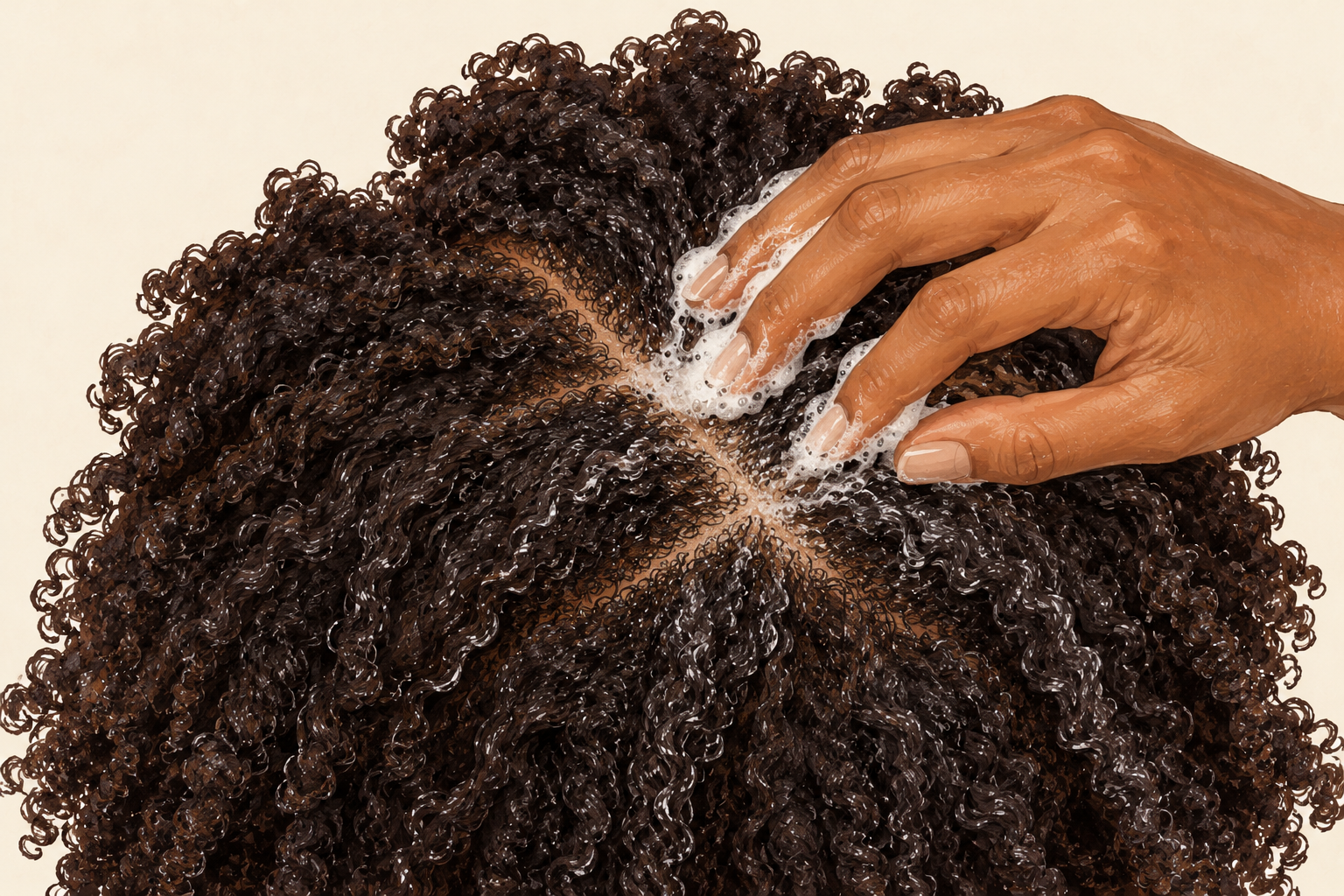
Look for words like balancing, clarifying or lightweight, and wash every two days if your roots are greasy by the evening. Oily scalps do best with a gentle formula that clears oil without leaving the skin tight. Overwashing with a harsh product can make your scalp produce even more oil. Keep the time short, about two minutes of fingertip massage. Use conditioner on the ends only. If your roots look oily but the ends are dry, that is normal, and a light shampoo on the scalp with a rich one on the lengths works well. Rinse with cool water at the end to leave the scalp feeling fresh.
7. Treat flaking with the right ingredients
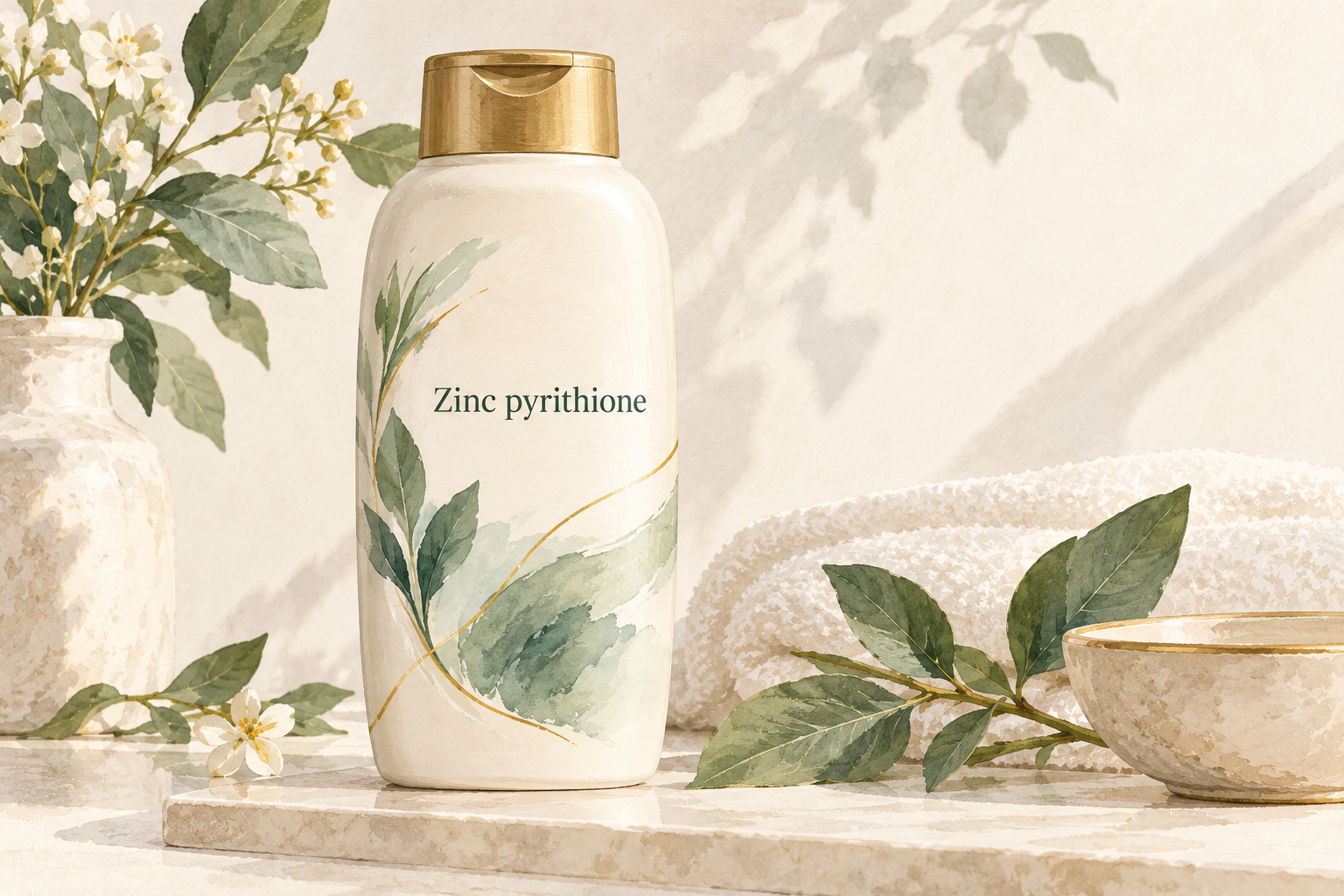
For flakes that keep coming back, look for zinc or salicylic acid on the label and use it twice a week. Flakes can come from a dry scalp or from yeast that likes oily skin, and the fix is not the same. Dry flakes look small and powdery, while oily ones look larger and yellowish. Leave the lather on for the time the label says before you rinse. Use it on your scalp only, and alternate with your usual shampoo. Give it three or four washes before you decide. If the flakes stay the same after a month, switch to a different active ingredient.
8. Give caffeine a few minutes
If you try a caffeine shampoo, massage it in and leave it on your scalp for two or three minutes before you rinse. Caffeine may stimulate the scalp a little, but only if it stays long enough to sink in. A quick lather and rinse does very little. Treat it as a small bonus on top of a gentle wash, not a growth cure. Skip it if you have a sensitive scalp or notice a tingling that turns into itching. Judge it after eight weeks, not eight days. Set a timer on your phone so you do not rush it.
9. Be cautious about biotin shampoos

Do not pick a bottle only because biotin is in big letters on the front. Biotin on the outside of your hair does not feed the follicle, which sits under the skin. A shampoo rinses away within minutes, so the biotin never gets near the root. Your plate matters more, with eggs, nuts and seeds. Pick the shampoo for how it cleans, and treat the biotin as decoration. If it suits your scalp and you like the smell, fine, but do not pay extra attention to the claim. A balanced diet is the part that actually reaches the root.
10. Lather the scalp and rinse the lengths
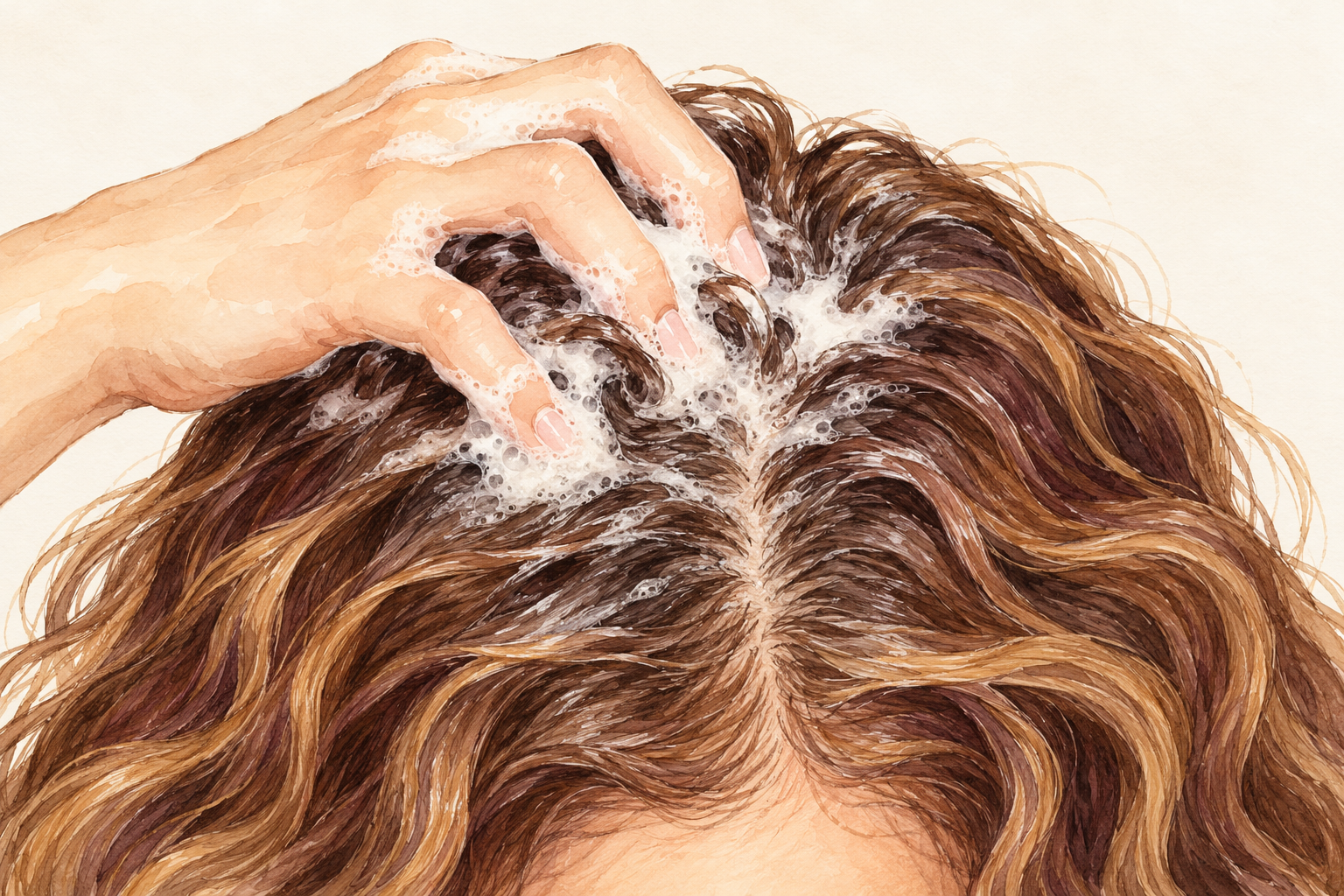
Put a coin sized amount of shampoo in your palm, add water, and lather it on your scalp only. Massage with fingertips for a full minute, then let the foam run down the lengths as you rinse. The ends are the oldest and driest part of your hair, so they need less cleaning. Rinse for twice as long as feels necessary, because leftover shampoo itches and builds up. Finish with conditioner from the ears down. Keep the water lukewarm, since very hot water dries out the scalp. A good rinse takes about a minute longer than most people expect.
11. Change one product and give it eight weeks
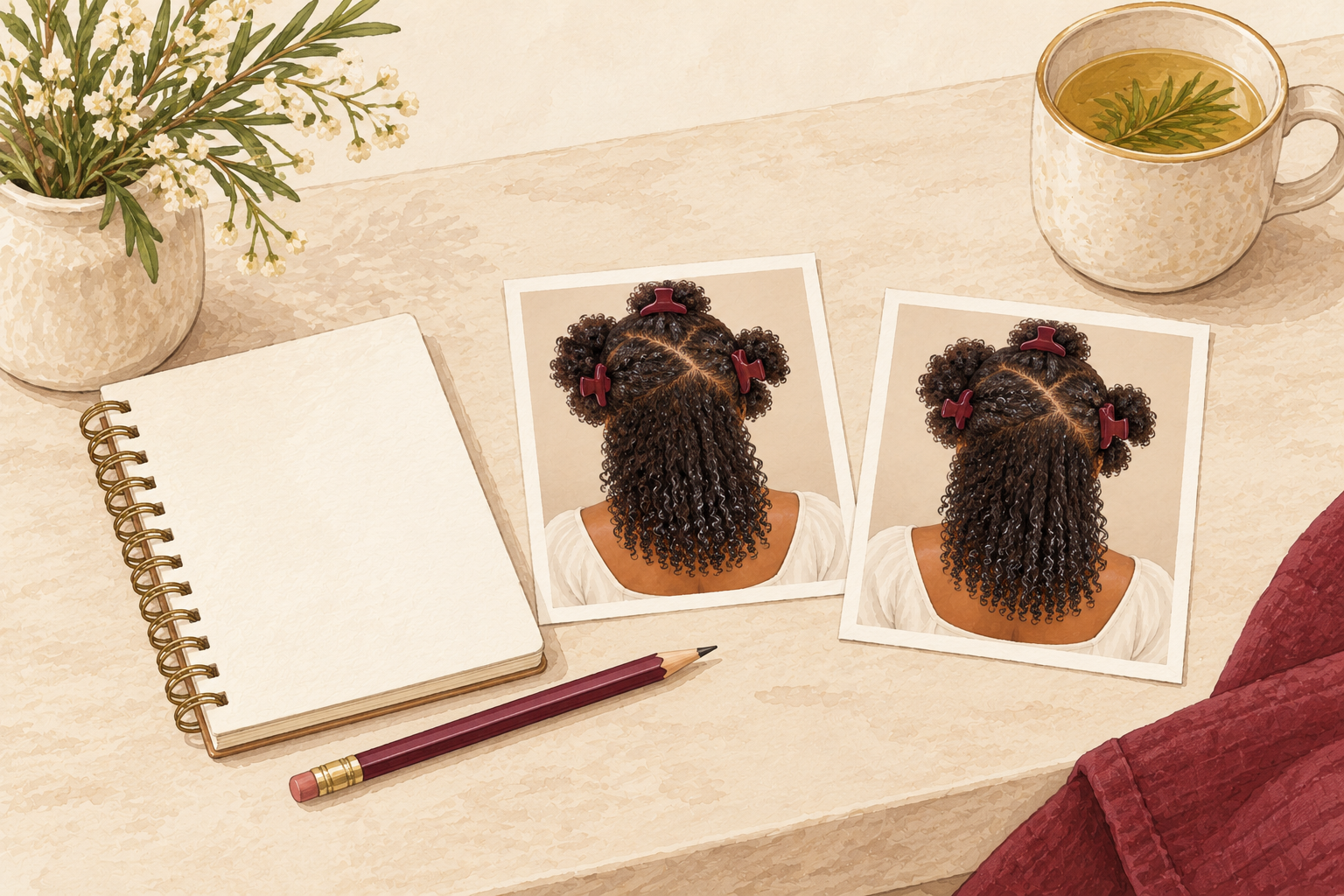
Switch only your shampoo, keep everything else the same, and wait eight weeks before you decide. Hair needs time to show a change, and your scalp needs a few weeks to adjust to a new cleanser. If you switch five things at once, you will not know which one helped or hurt. Take a parting photo in the same light now and again at week eight. Look for less itching, fewer flakes, and less hair in your brush. The best shampoo for hair growth is the one you can stay with. Patience here saves you from buying a new bottle every month.
12. Know when to skip a shampoo
Stop using any shampoo that stings, burns, makes your scalp red or leaves it itchy for more than a day. Rinse your scalp with lukewarm water and go back to a plain gentle one. Skip strong medicated bottles unless you have flakes that need them. If your hair is falling out in handfuls for more than a few weeks, see your doctor, because a shampoo will not fix that. Do not keep using a bottle just because it was a gift or because you already opened it. Go back to your old shampoo if the new one does not agree with you.
Complete the Routine: Best Shampoo for Hair Growth, Step by Step
Choose one gentle shampoo for your scalp type and wash two or three times a week. For more help growing your length, read about black hair growth and castor oil for hair growth.