You wash your hair, put on a black top, and by lunchtime there is a light dusting across both shoulders. If you are working out how to get rid of dandruff without wrecking your hair or your patience, it mostly comes down to one shampoo, used the right way, for long enough. Here are 12 easy steps, so begin with number one tonight.
1. Make sure it is flakes, not build up
Skip dry shampoo, gel and heavy creams on your roots for three days and see what is left. Product crumbs look like dandruff, but they vanish with a good wash. If the flakes are still there after three clean days, you can go ahead with the plan. Wash twice in one session with a plain shampoo and rinse until your hair squeaks. This single test saves you from buying a treatment you do not need. It is the first thing to do for how to get rid of dandruff, because there is no point fighting flakes that are really crumbs. Take a photo of your parting at the end of the three days, because that photo is your day one.
2. Choose one active ingredient
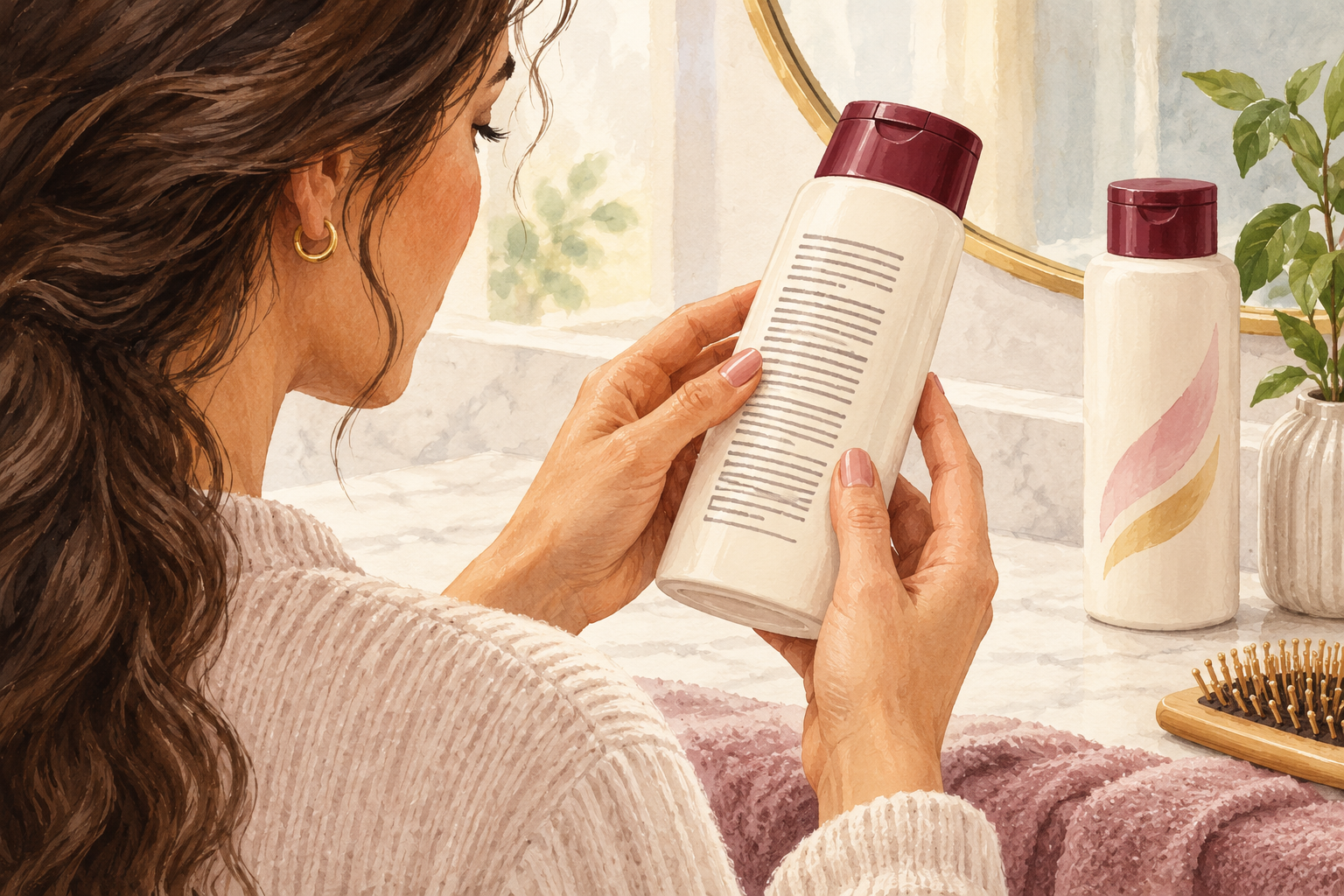
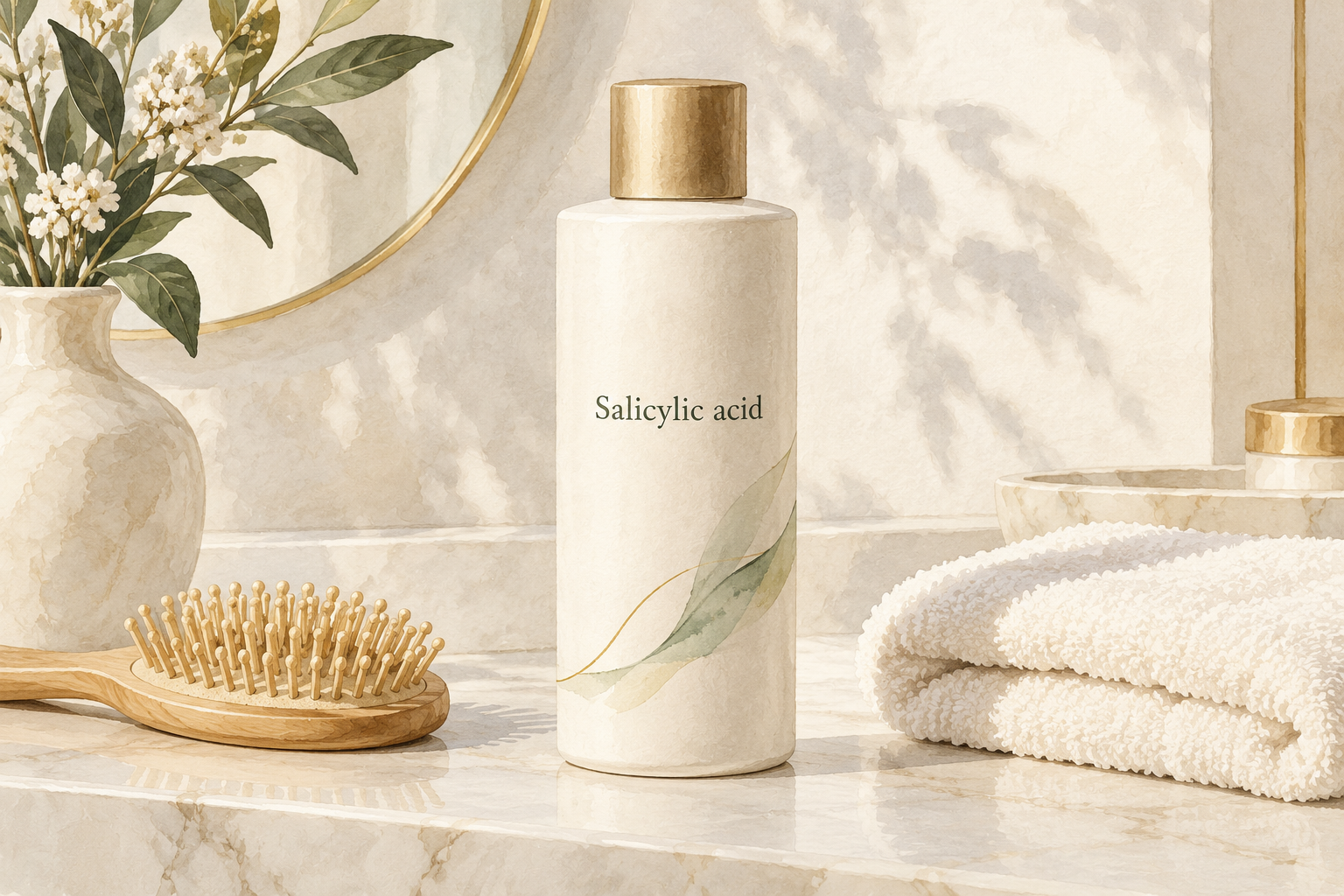
Pick one anti dandruff shampoo and look for zinc, salicylic acid or selenium on the back of the bottle. Zinc calms the flaking, salicylic acid helps loosen the flakes so they rinse away, and selenium slows the skin down. You do not need all three at once. Choosing one lets you see what is working. Skip anything heavily perfumed, because strong scents can irritate a sore scalp. Do not switch every week, since each one needs time. Write the name on a sticky note on your mirror so you stay on track. If a bottle claims to fix everything in one wash, put it back, since slow and steady works better for flakes.
3. Patch test the shampoo
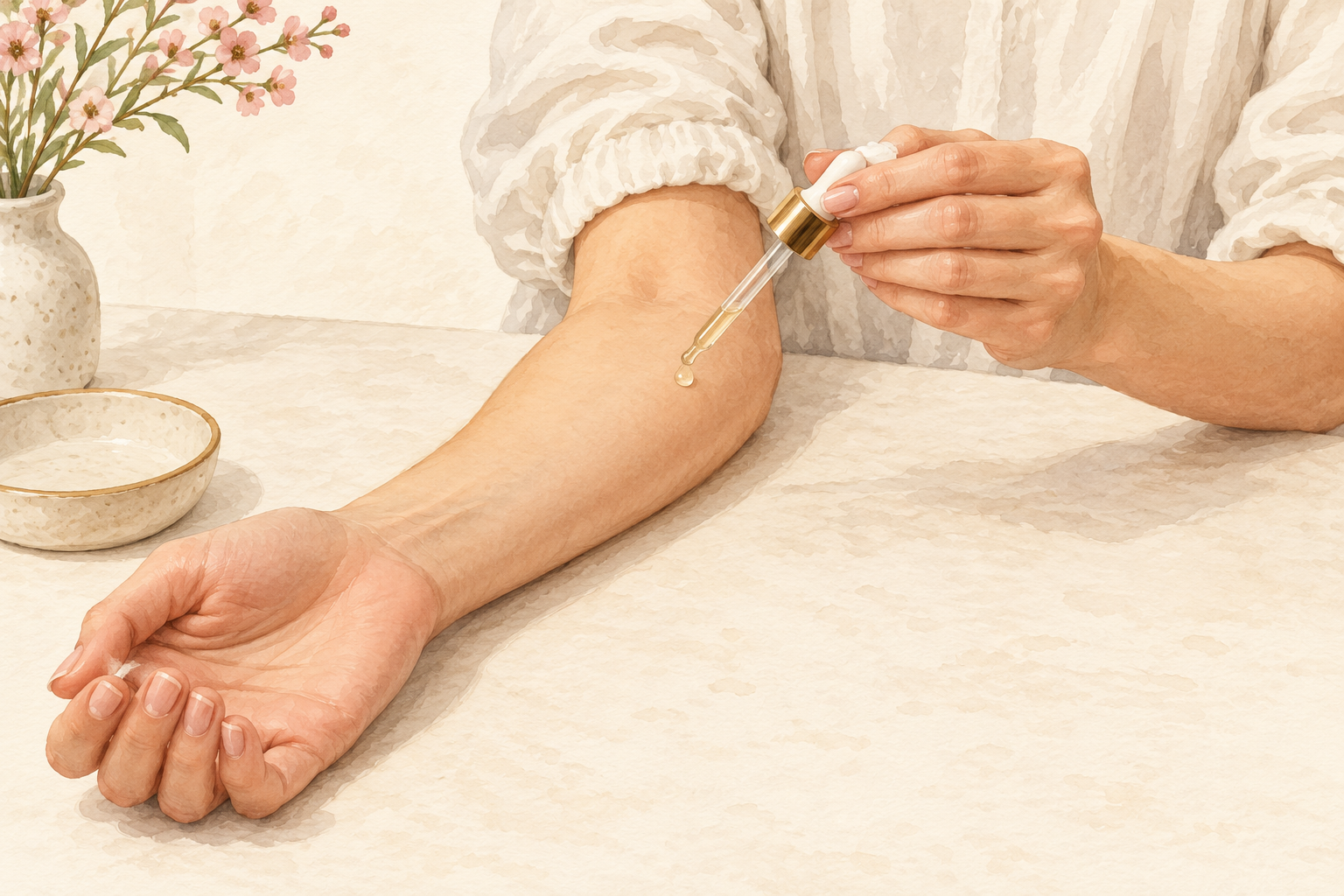
Dab a little shampoo behind your ear or on your inner arm, leave it for ten minutes and rinse. If the skin stays calm, you are fine. If it itches, burns or turns red, rinse it off and choose a gentler one. Medicated shampoos are stronger than normal ones, so it pays to be careful. Do the test the day before your first wash, not the same night. Never use a medicated shampoo on broken skin or open scratches. Wait until the scalp has healed, and use plain shampoo for a few days first.
4. Wet your hair fully and keep the water lukewarm
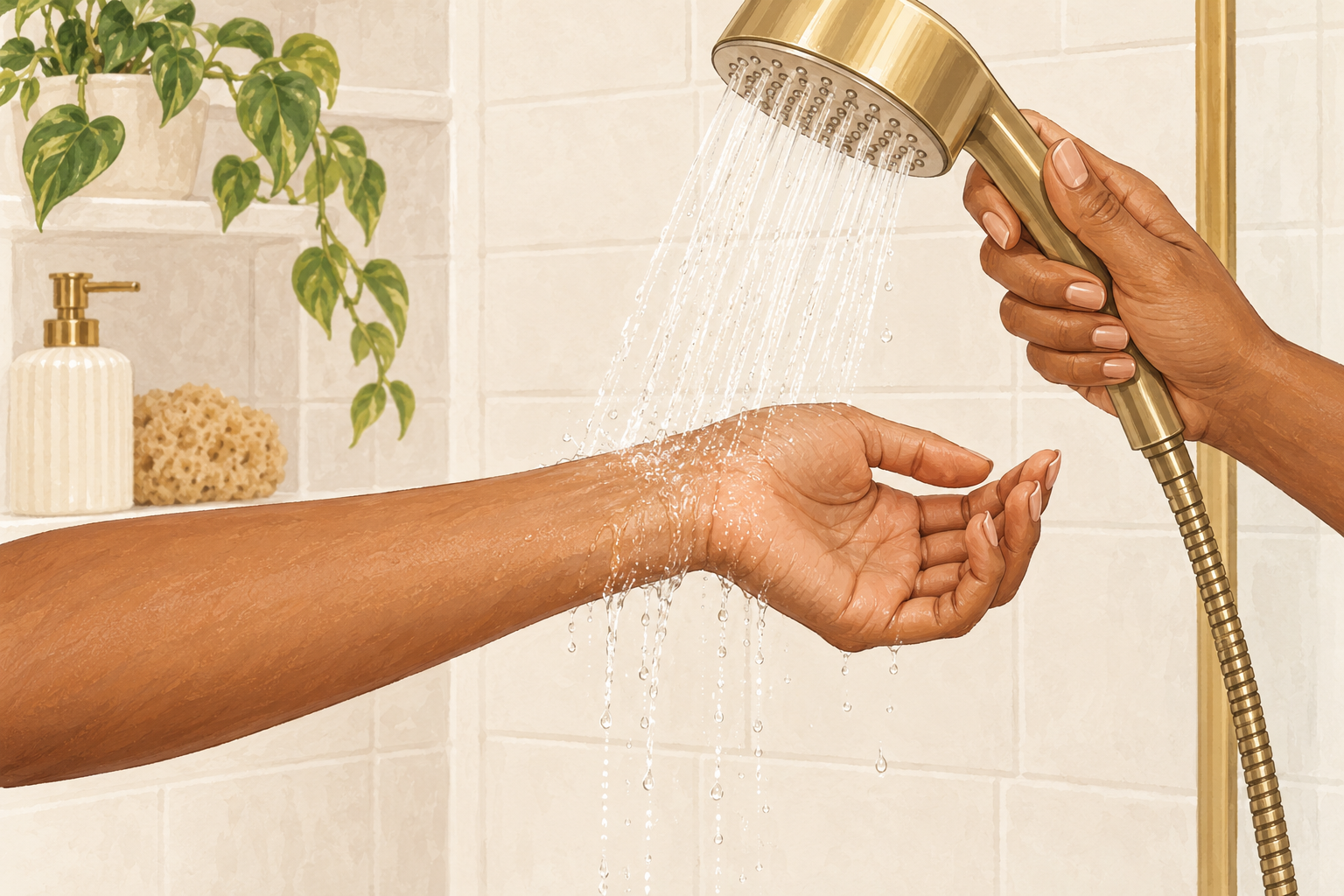
Soak your hair for a full minute with lukewarm water before you touch the bottle. Wet hair spreads the shampoo evenly, and you need less of it. Hot water irritates a flaky scalp and makes the itch worse by evening. Brush your hair first with a soft brush so the loose flakes lift before they get wet. Part your hair in a few places as you wet it, so the water reaches the skin and not just the top layer. Check the temperature on your wrist before you step under. Warm, not hot, is the whole rule, and your scalp will thank you by bedtime.
5. Apply it to the scalp only
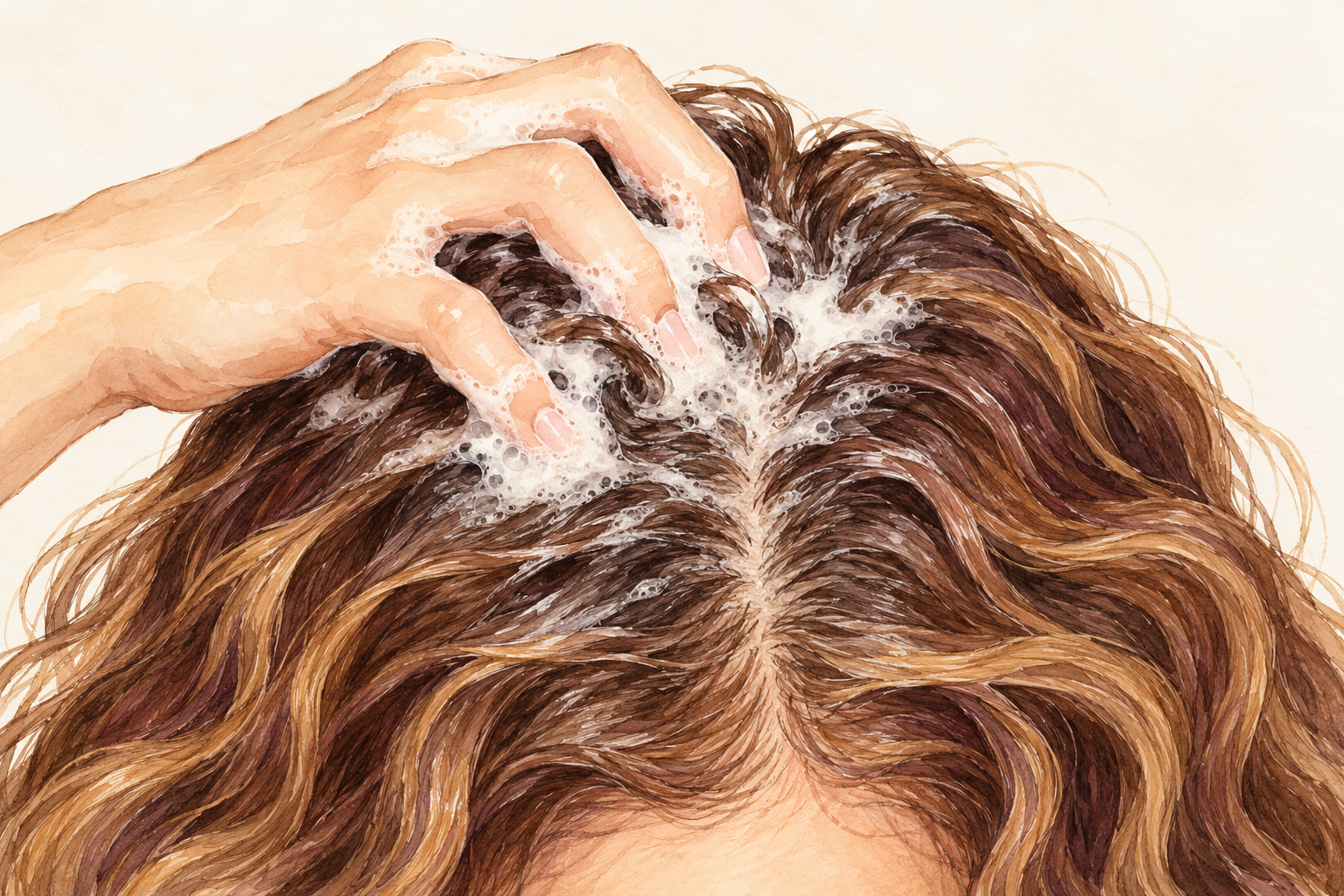
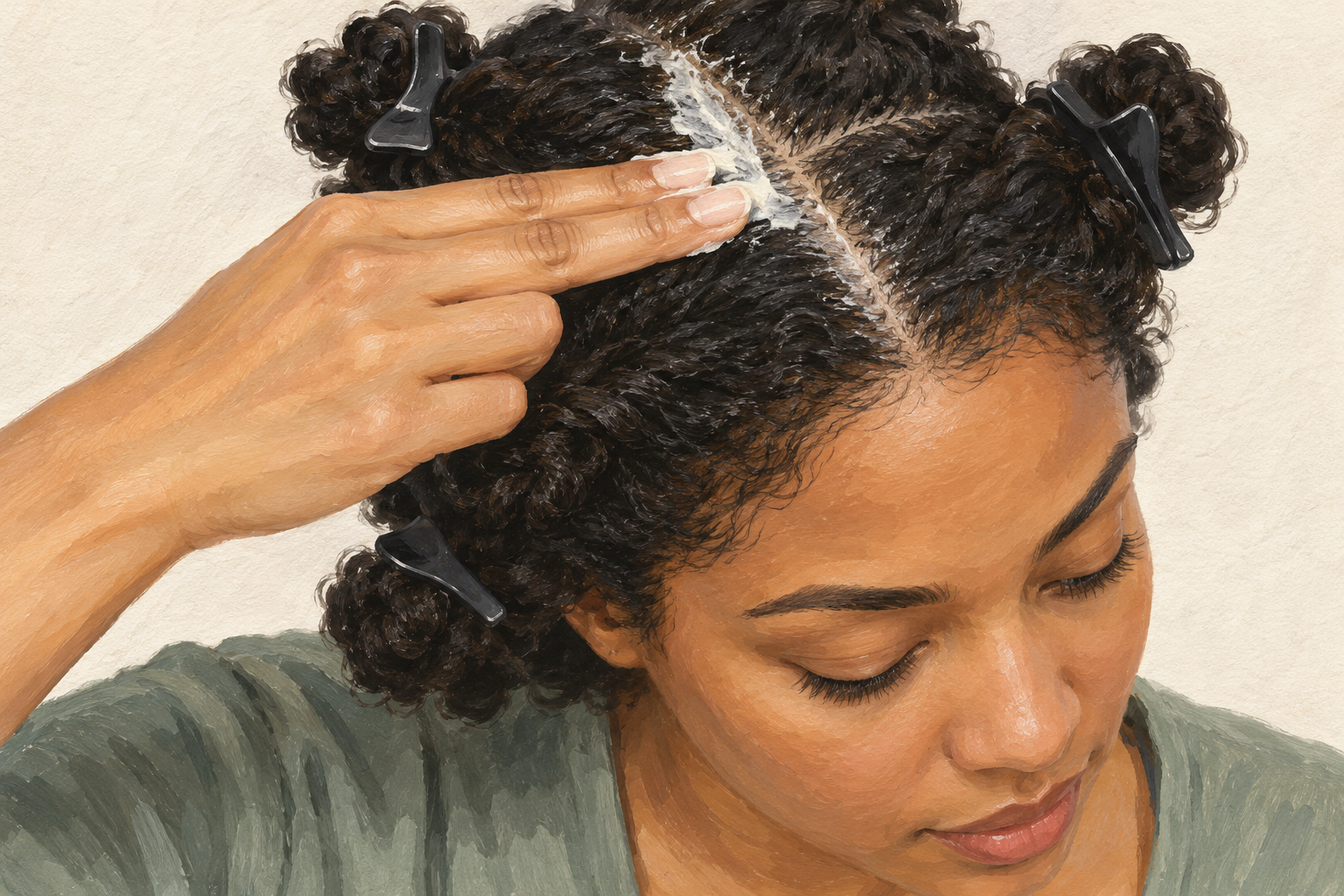
Squeeze out a coin sized amount and work it onto your scalp, not your lengths. The shampoo is for the skin, and the lengths only need the suds that run down. Part your hair and dab it along the partings, then spread it out. Use more for a longer or thicker head, but not a handful. Keep it out of your eyes, and rinse right away if it stings them. Applying it to the ends dries them and makes them straw like. Work front to back so you cover the crown, behind the ears and the nape. Wash your hands afterwards, because the shampoo can sting if you rub your eyes.
6. Massage for one full minute
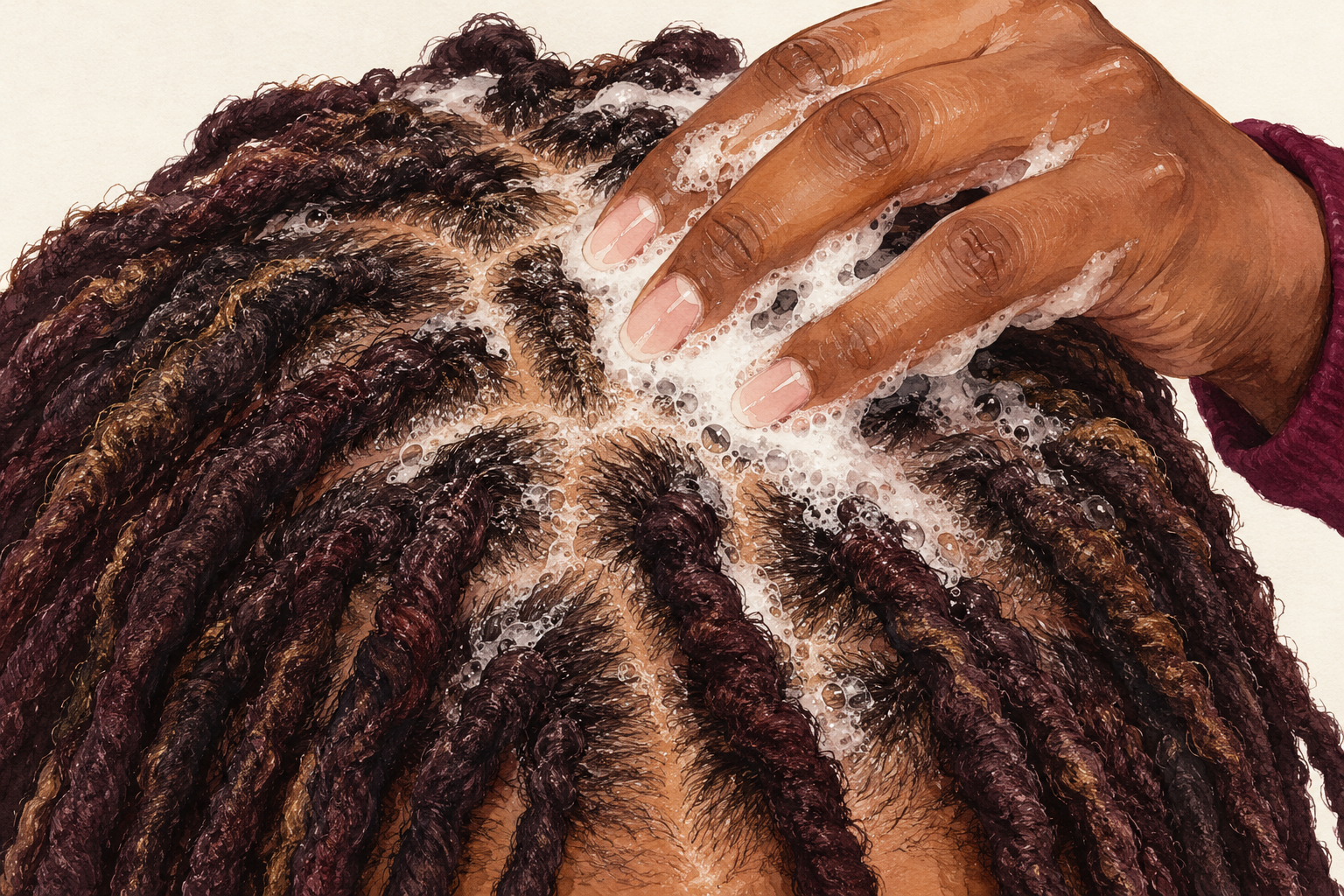
Use the pads of your fingers to rub small circles over your whole scalp, and count to sixty. Never use your nails, because scratching a flaky scalp makes tiny cuts. The massage loosens flakes and spreads the active ingredient to the skin. It should feel firm but kind. Pay special attention to the spots where flakes gather most, such as the crown and behind the ears. Rest your elbows by your sides if your arms get tired. A slow minute does more than a quick rub with a lot of foam. Count in your head or hum a short song to keep the pace slow.
7. Leave it on for the time on the bottle
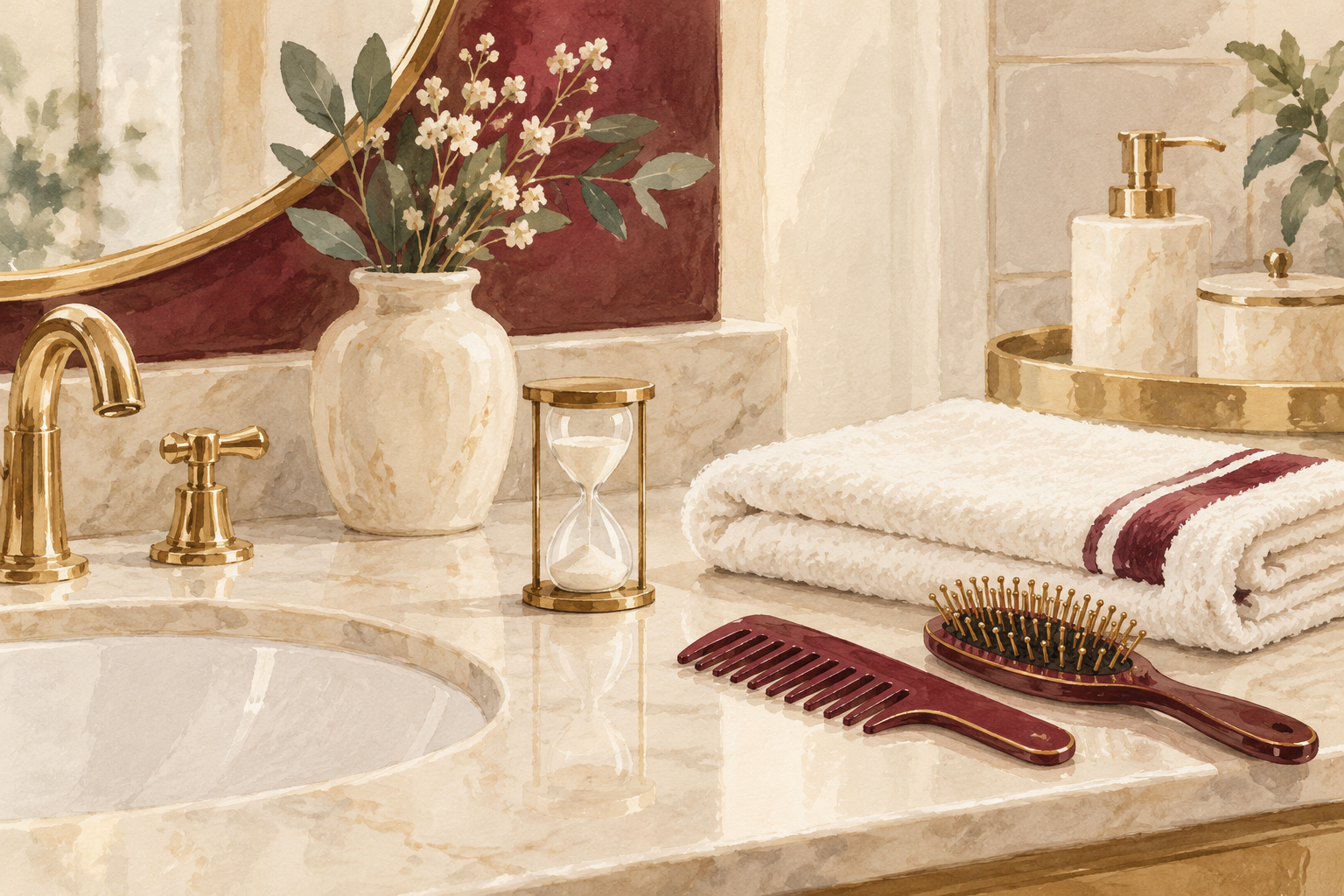
Wash your body or your face while the shampoo sits on your scalp for three to five minutes. Most bottles say how long. Rinsing too soon is the number one reason these shampoos seem not to work, because the active needs time on the skin. Set a timer so you do not guess. Do not leave it on longer than the label says, since more time does not help and can irritate. Keep your hair clipped up if it is long, so the suds do not slide into your eyes while you wait. A hair clip and a cheerful playlist make the five minutes pass quickly.
8. Rinse well and condition the lengths only
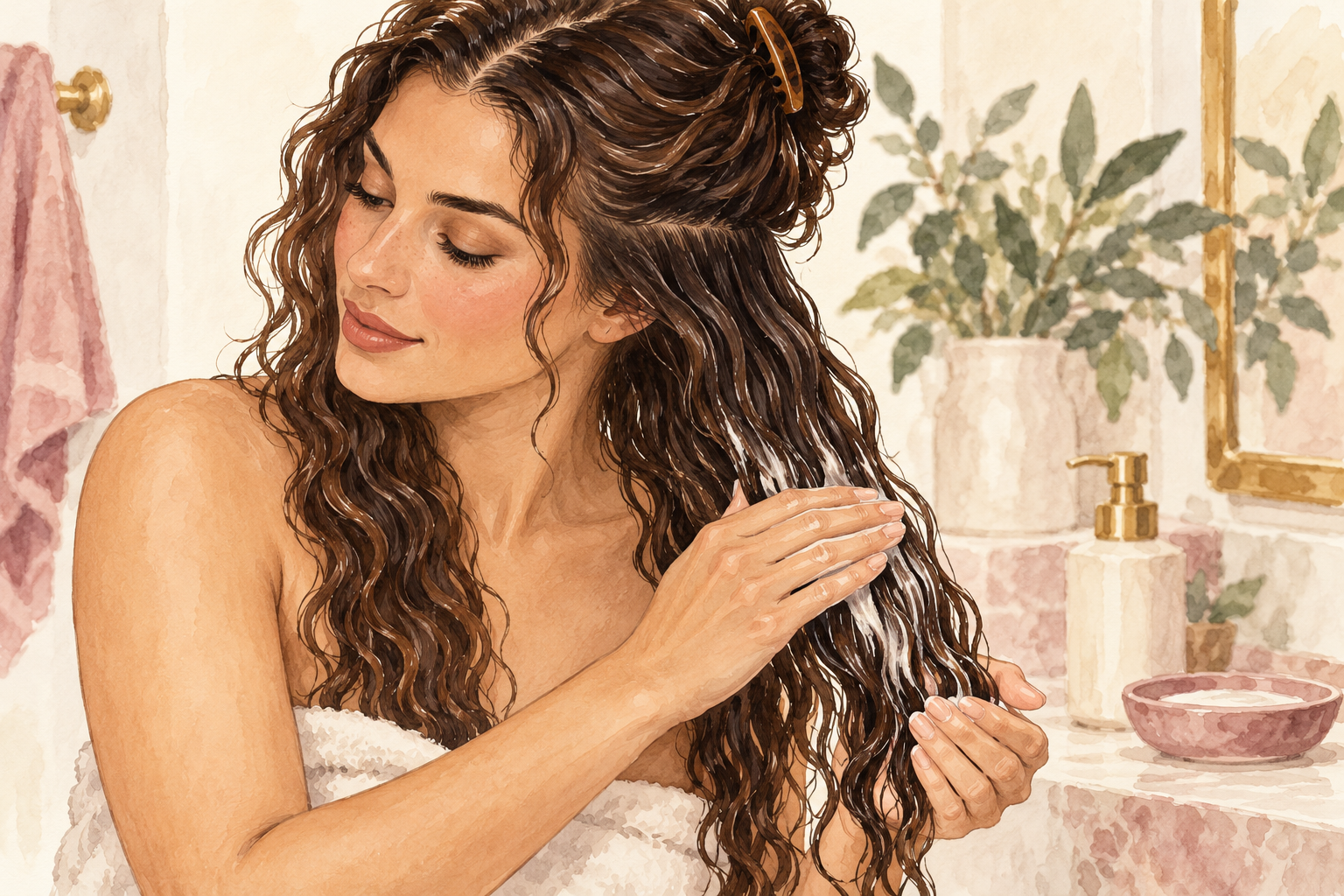
Rinse for at least a minute longer than feels necessary, then put conditioner on the lengths. Leftover shampoo itches and leaves a film that looks like new flakes. Keep the conditioner away from your roots, since it can sit on the scalp and feed the flaking. Finish with a quick cool rinse, which closes the hair and calms the skin. Pat dry with a soft cloth. If your lengths feel dry after a medicated wash, a leave in on the ends only helps without touching the scalp. Wring your hair gently instead of rubbing it, so you do not stir up the skin you just calmed.
9. Use it three times a week to start
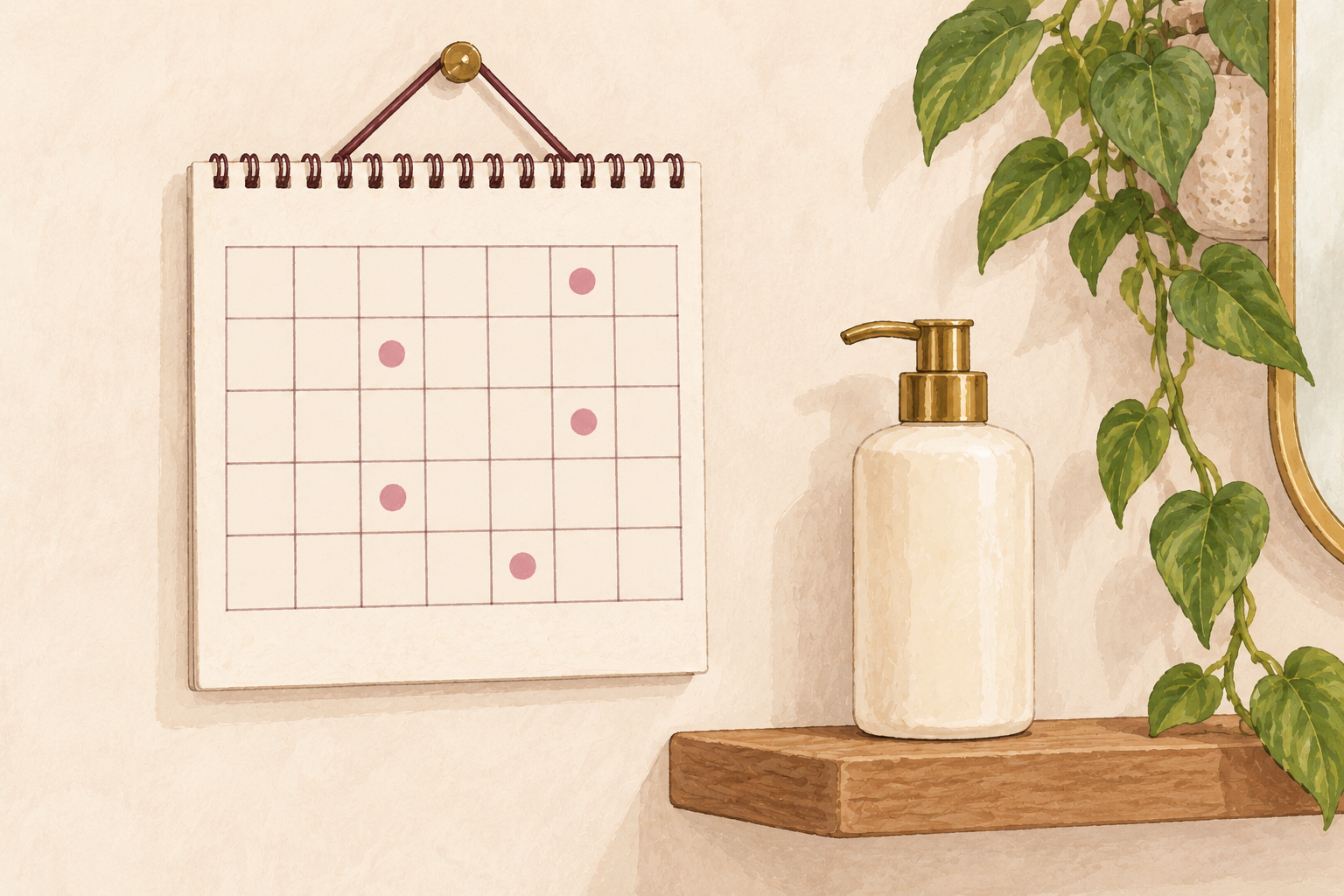
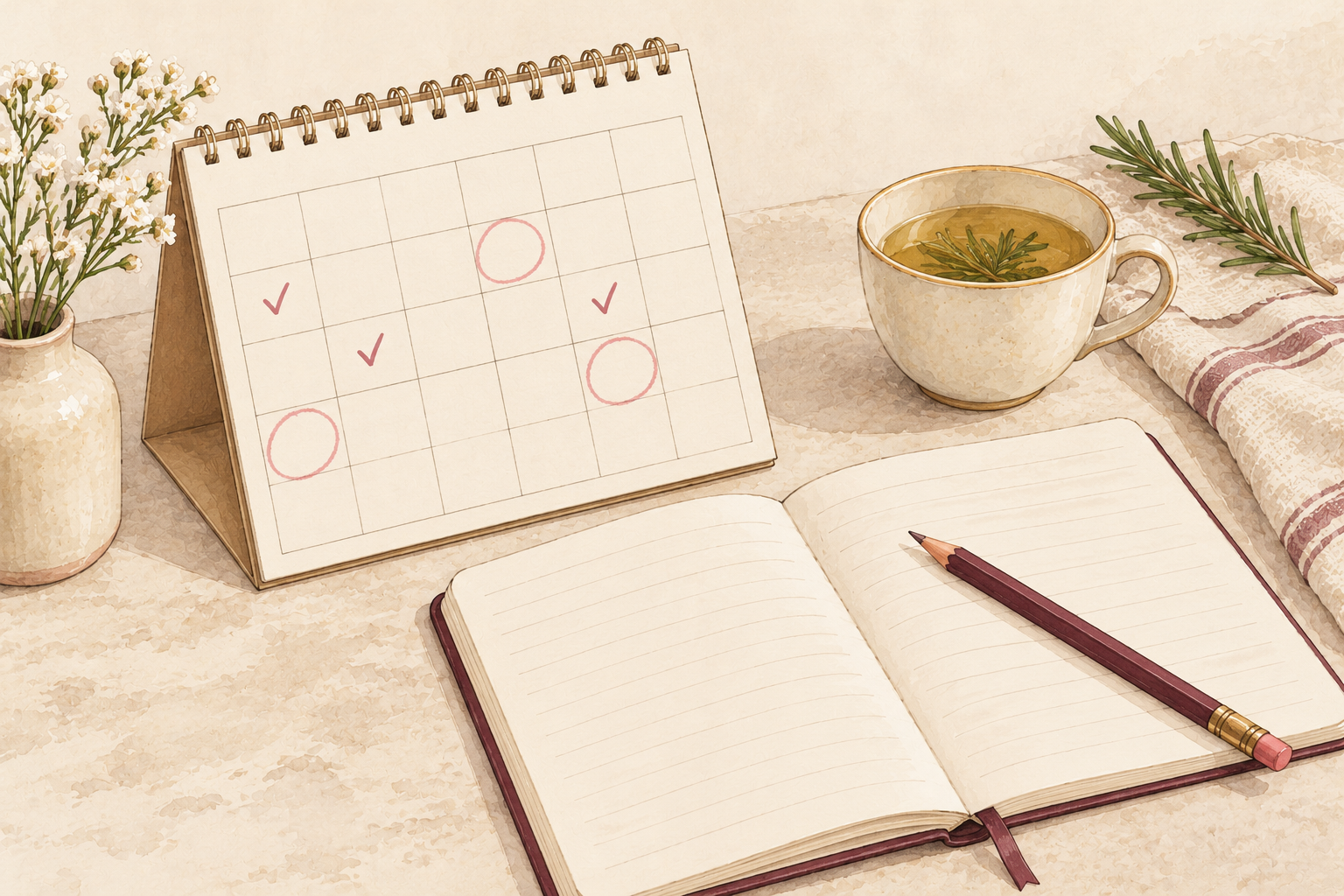
For weeks one and two, use your active shampoo on three days, such as Monday, Wednesday and Saturday. On the other days, wash with your normal gentle shampoo, or just rinse. Doing it every day is not faster, and it can dry your scalp out. Circle the days on a calendar and cross each one off. It turns the plan into a game. Stay with the same bottle, because changing mid plan makes it impossible to tell what helped. If you wear your hair in a protective style, wash the scalp in between. A diluted rinse in a squeeze bottle gets between the braids and keeps flakes from building up under the style.
10. Wash what touches your hair
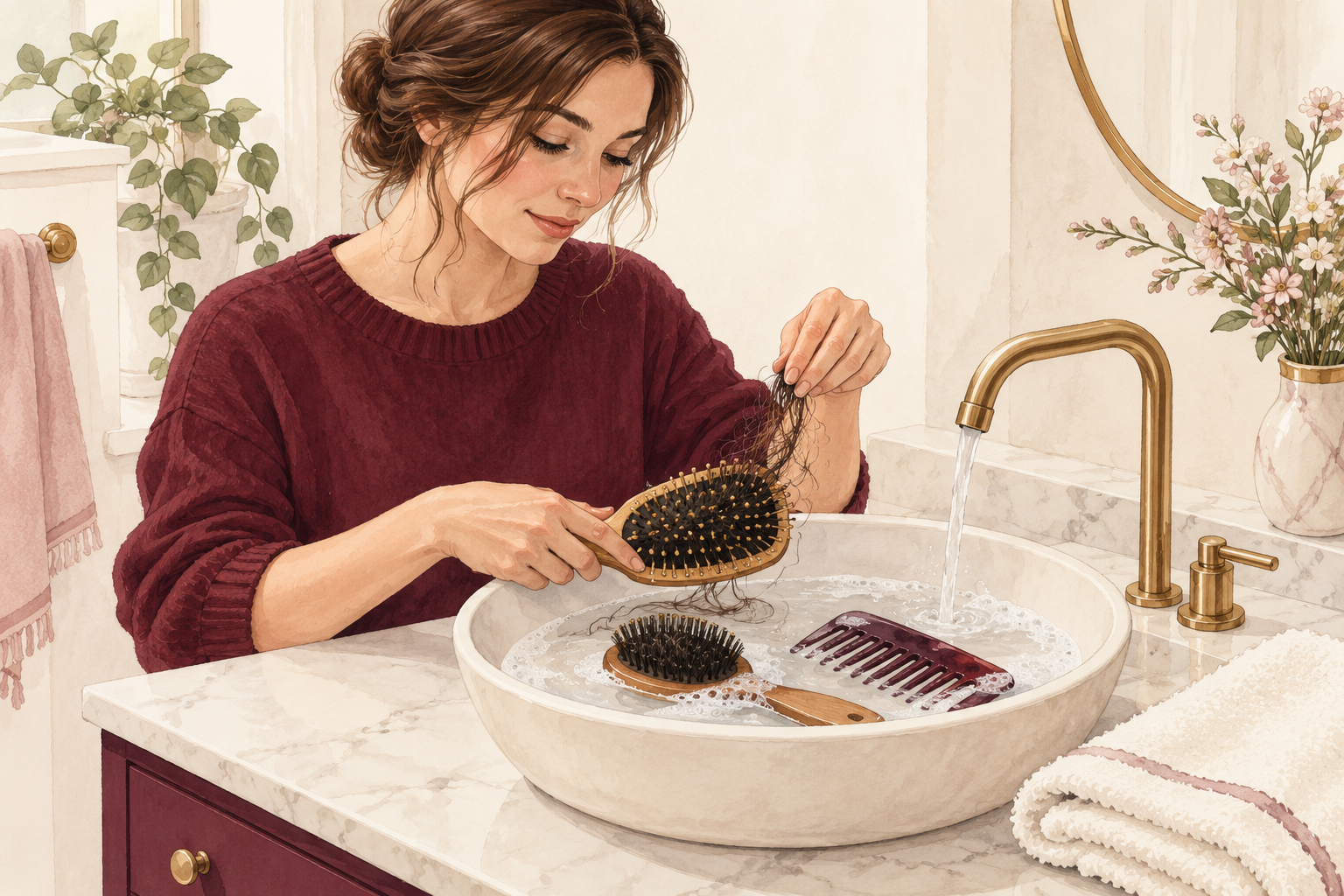
Wash your pillowcase twice a week, and soak your brush and combs once a week. Both hold old oil and flakes that go straight back onto clean hair. Pull the hair out of the brush, scrub the bristles in warm soapy water and dry it bristles down. Change your towel more often than you think. Hats, scarves and satin bonnets collect flakes too, so wash those every week. This takes five minutes and makes the shampoo’s work last longer between washes. Put a second pillowcase in the drawer so you can swap it in on laundry day. Clean sheets on a freshly washed scalp feel lovely, and the flakes have nowhere to hide.
11. Check in at weeks two and four
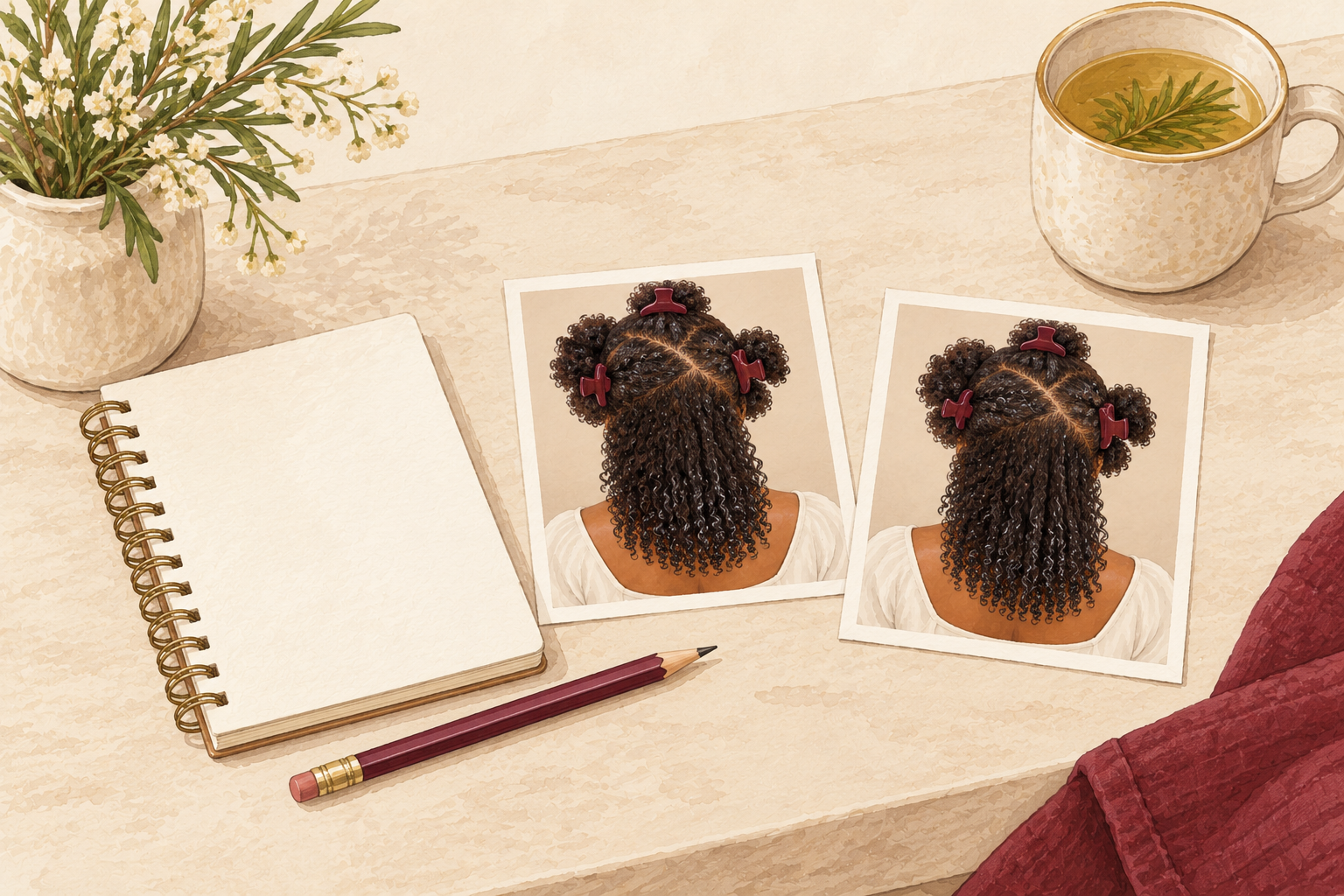
Take a photo of your parting each week and compare it with your day one. By week two, you should see fewer flakes on your shoulders and less itching between washes. By week four, most of the flaking should be gone or much lighter. Once it is under control, drop the active shampoo to once or twice a week to keep it away. Do not stop completely, because flakes tend to creep back when you do. If your scalp feels tight, add a day of plain shampoo between. Knowing how to get rid of dandruff is half the job, and keeping it away is the other half, so keep a gentle rhythm going.
12. Swap the active if nothing moves
If week four looks like day one, change the active ingredient and give the new one another four weeks. What one scalp loves, another ignores, so switching is normal. Rotate between two shampoos once the flakes are gone, using each for a few weeks. If your scalp is red, crusty or painful, or the flakes keep getting worse, stop and see your doctor. Be patient, since scalps are slow. Most people find the right match within two tries. Keep your day one photo, because it proves how far you came.
Complete the Routine: How to Get Rid of Dandruff for Good
Tonight, do the three day test, pick one active, and circle your wash days. For extra help, read about dandruff home remedies and the right anti dandruff shampoo.