You run your fingers through your hair after a hot shower in January and a fine white dust lands on your sleeve, while your scalp feels tight and itchy. A dry scalp looks so much like dandruff that most of us treat the wrong thing first. These 12 checks help you tell them apart and fix the cause, so start at number one tonight.
1. Check the size and color of the flakes
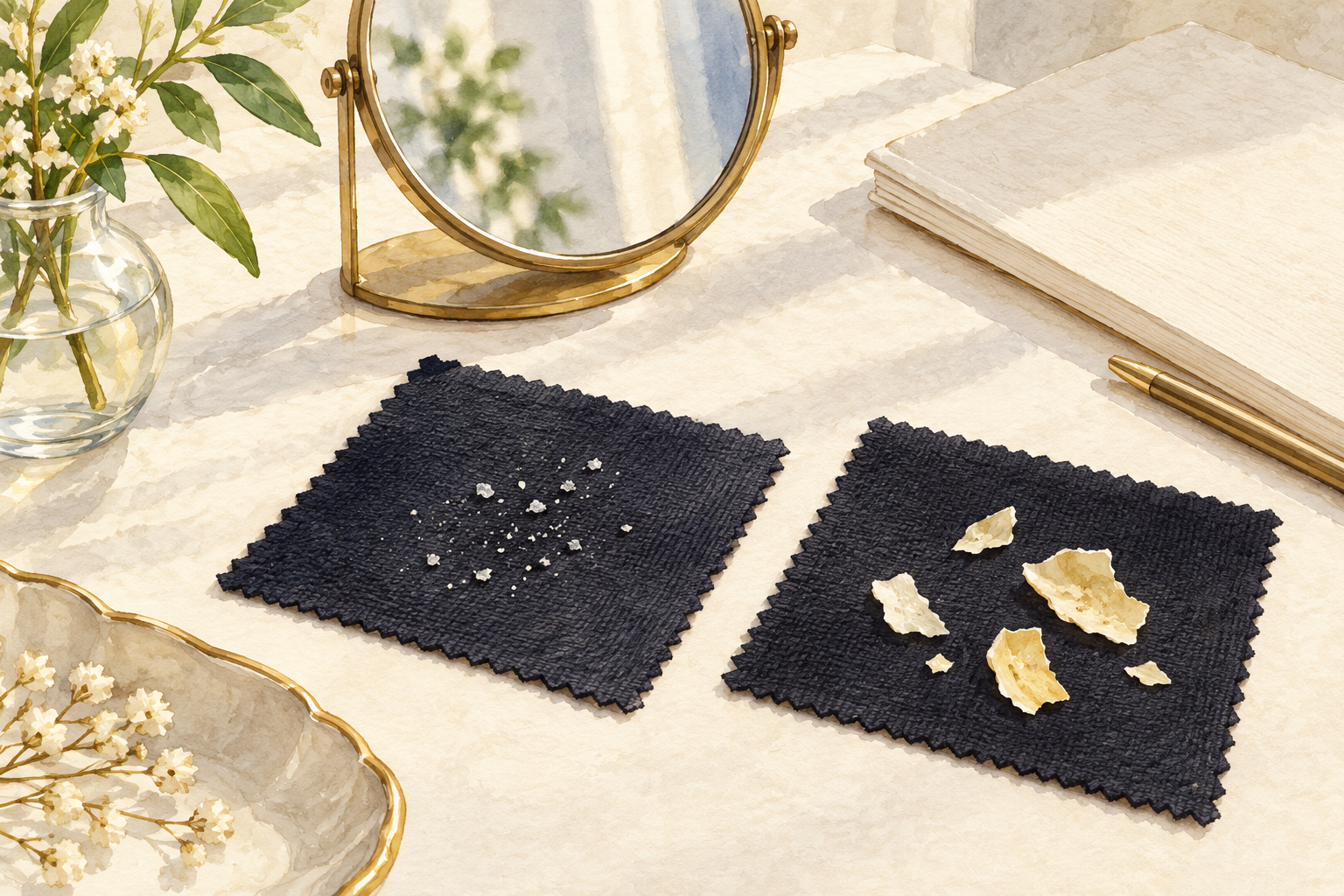
Look at the flakes in daylight, on a dark top or a towel. Dry scalp flakes tend to be small, white and powdery, and they fall off easily when you scratch or brush. Dandruff flakes are usually larger, yellowish or whitish, a little greasy, and they cling to the hair. If you cannot tell which you have, call it unclear for now and keep reading, because the next two checks narrow it down. Take a photo of your parting in the same light each week, since change is hard to judge from memory. Greasy flakes that leave a shine on your fingertip lean toward dandruff.
2. Notice the tight feeling after washing
Check how your scalp feels ten minutes after you towel off. A dry scalp often feels tight within minutes, and the itch is light and comes in waves. If it feels oily by the next day and the itch is heavier and steady, dandruff is more likely. The skin on your arms and face may feel dry at the same time, which is another hint. This is a rough clue, not a rule, but it narrows things down a lot. Do the check again a day after washing, when the surface oil has had time to show. A tight, papery feel under your fingertip points to dryness.
3. Remember you can have both

If your scalp flakes in winter and turns oily and itchy in summer, you may be swinging between the two. Dandruff can bring dryness, and dryness can bring flakes that look like dandruff. In that case, work on the dryness causes below first and watch what is left over. Do not stack three treatments in one week, because then you cannot tell which change did anything. Your skin also needs a few days to settle between changes. Keep a note on your phone with the date of each change you make.
4. Check cold air and indoor heating

Think back on whether your flakes show up every winter and clear in warm months. Cold, dry air outside and central heating inside both pull moisture out of the skin. A bowl of water near a radiator, a hat lined with soft fabric and a little extra cream on your hands and face help the rest of you. The scalp mostly needs gentler washing, which comes next. Hot, dry rooms are harder to change, so work on what you can. Even turning the heating down a notch at night takes some pressure off your skin. A scarf or hat that sits against bare scalp skin should be soft, never scratchy wool.
5. Turn the shower down to warm
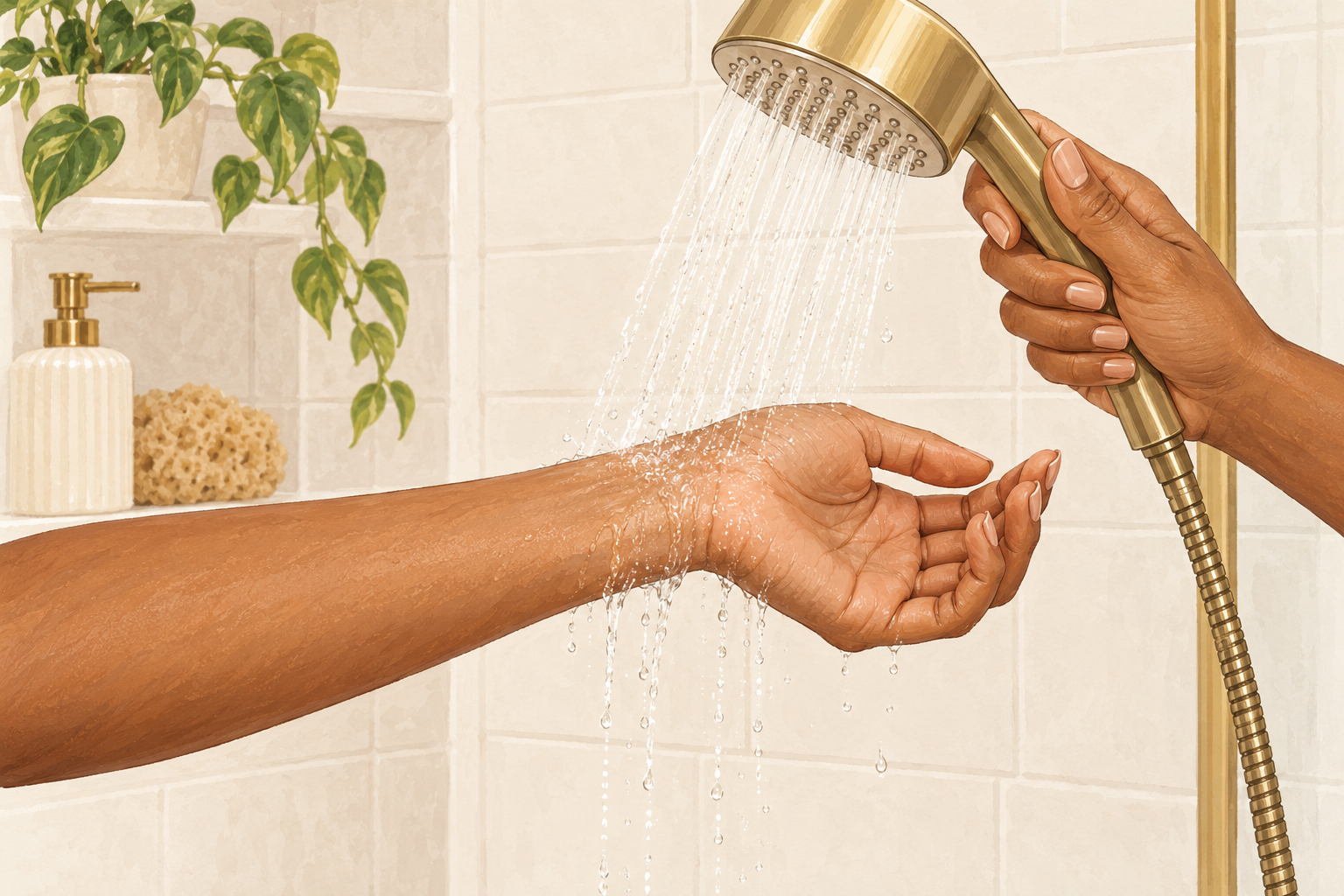
Set the tap to lukewarm for your hair wash, even if the rest of the shower stays warmer. Very hot water strips the oils your scalp needs, and an hour later it feels tighter than before. Wash your body hot and your hair last, under water that feels only comfortably warm on your wrist. Finish with a cooler rinse for the last minute. Give this two weeks before you decide whether it helped. If the tightness eases and the flakes lighten, you have found a quick and free fix for your dry scalp. Comfortably warm means you can hold your wrist under it without flinching.
6. Count how often you wash
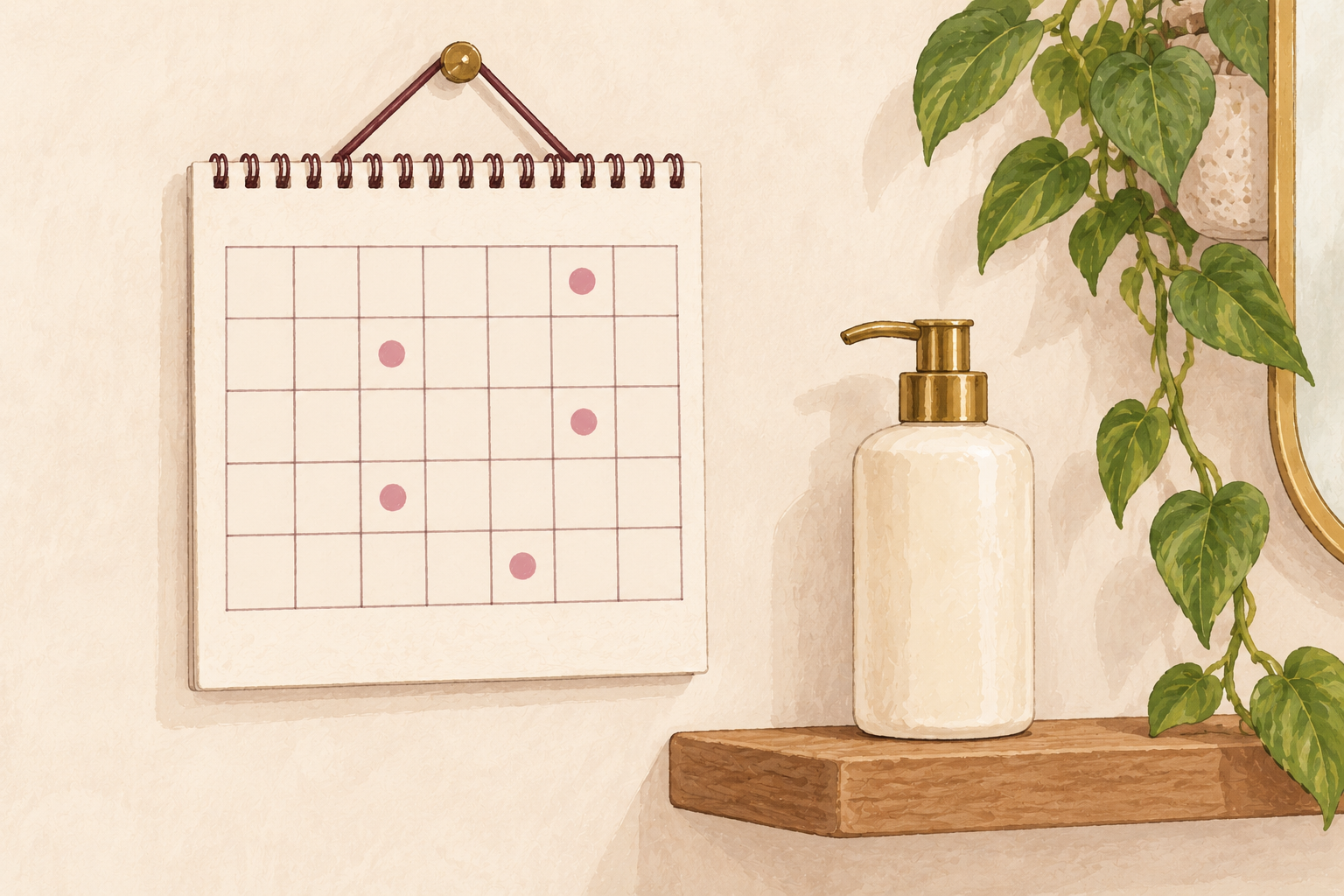
If you wash daily, try every second day and see how the skin responds. Washing too often leaves the skin tight, and so does letting product pile up for weeks. If you wash once every two weeks, shorten the gap a little so oil and old flakes do not sit there. Aim for a rhythm your scalp likes, which is usually two to four washes a week. Drinking enough water is worth doing, but it will not fix a harsh shampoo. Watch the itch for two weeks and adjust by one wash at a time. Rinse more than you lather, because water does most of the cleaning.
7. Switch to a milder shampoo
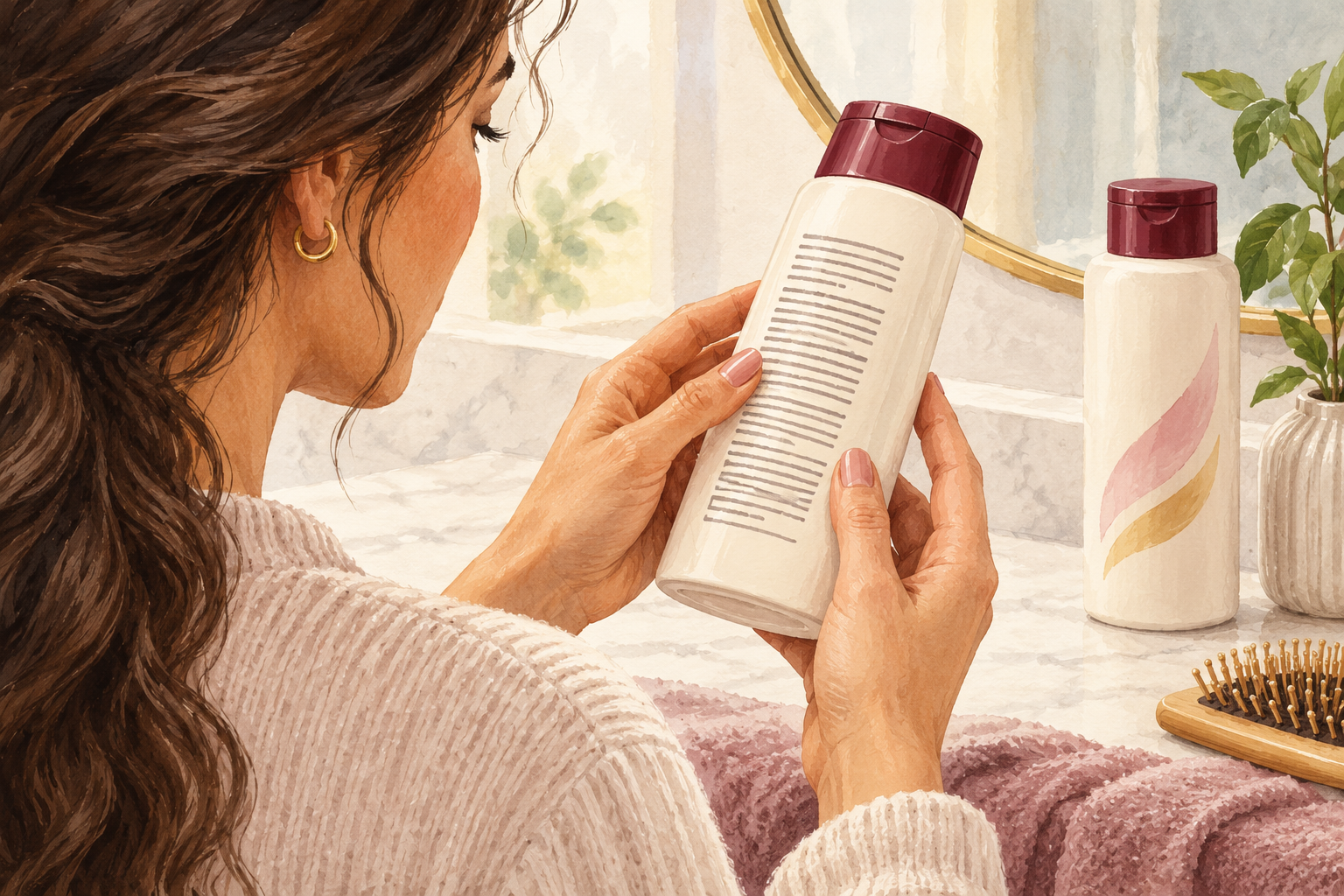
Choose a gentle, fragrance free shampoo and use it for two to three weeks. Strong, foaming or heavily scented shampoos can strip the skin. Wash the scalp only, using a coin sized amount, and let the suds run down the lengths. Rinse for longer than you think, because leftover shampoo irritates the skin. Keep conditioner on the lengths and ends, not on a scalp already flaking from build up. Change one thing at a time so you know what worked, and write down the date you began. Expect the first week to feel different, as your scalp adjusts to less foam.
8. Count your color, relaxer and sprays
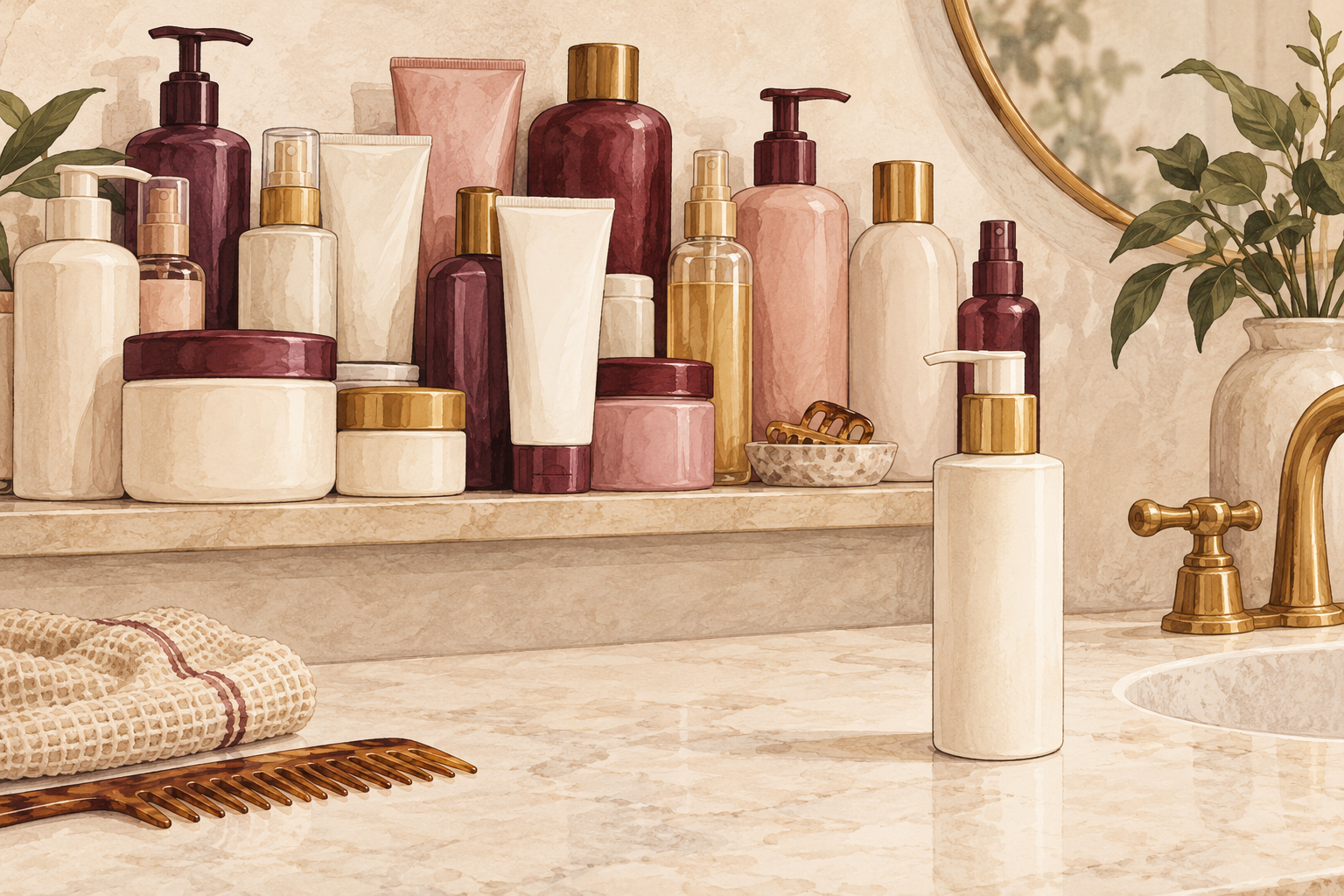
Think about whether the itch started after a new color, relaxer or strong styling spray. Those can all irritate the scalp skin, and the timing is a big clue. Space out your chemical treatments, keep products off the scalp where you can, and rinse them out properly. Spray from arm’s length so the mist does not settle on your roots. If you feel burning, swelling or blisters after a treatment, rinse it out right away and drop that product for good. A scalp that is already dry needs longer breaks in between. Ask whoever does your hair to keep the product a finger’s width off the skin.
9. Try a light oil before you wash
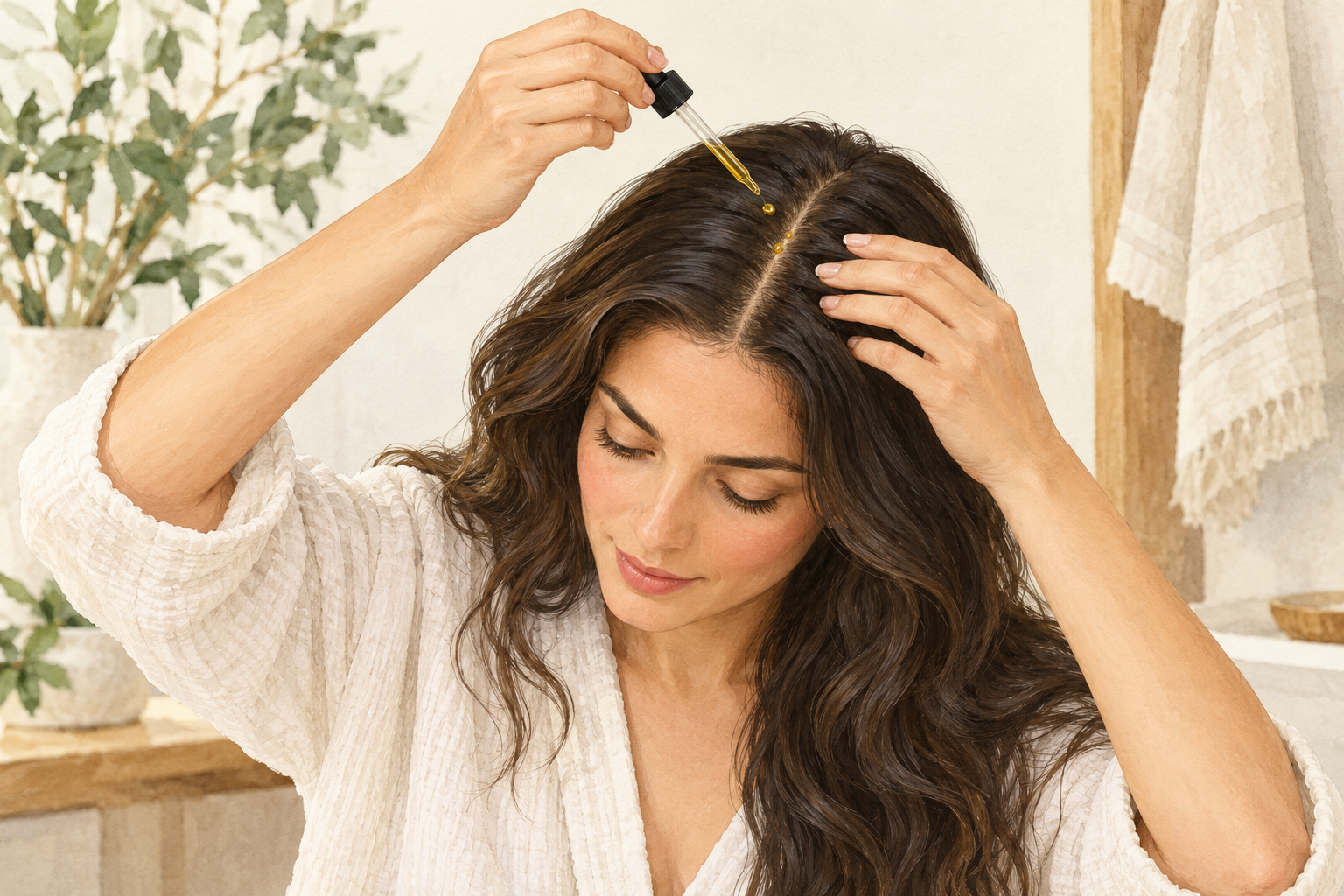
Warm a teaspoon of a light oil in your palms and dab it along your partings fifteen minutes before shampoo. Use less than you think, because heavy oils trap flakes and make the scalp itchier. Press it on with your fingertips and do not rub. Then wash it out well with your milder shampoo. Do this once a week, and stop if the itch gets worse. Patch test a dab behind your ear first and wait a day. Many girls feel the tightness ease after the first wash. A drop or two of light oil on the ends can go on the same night.
10. Soothe it with pure aloe gel
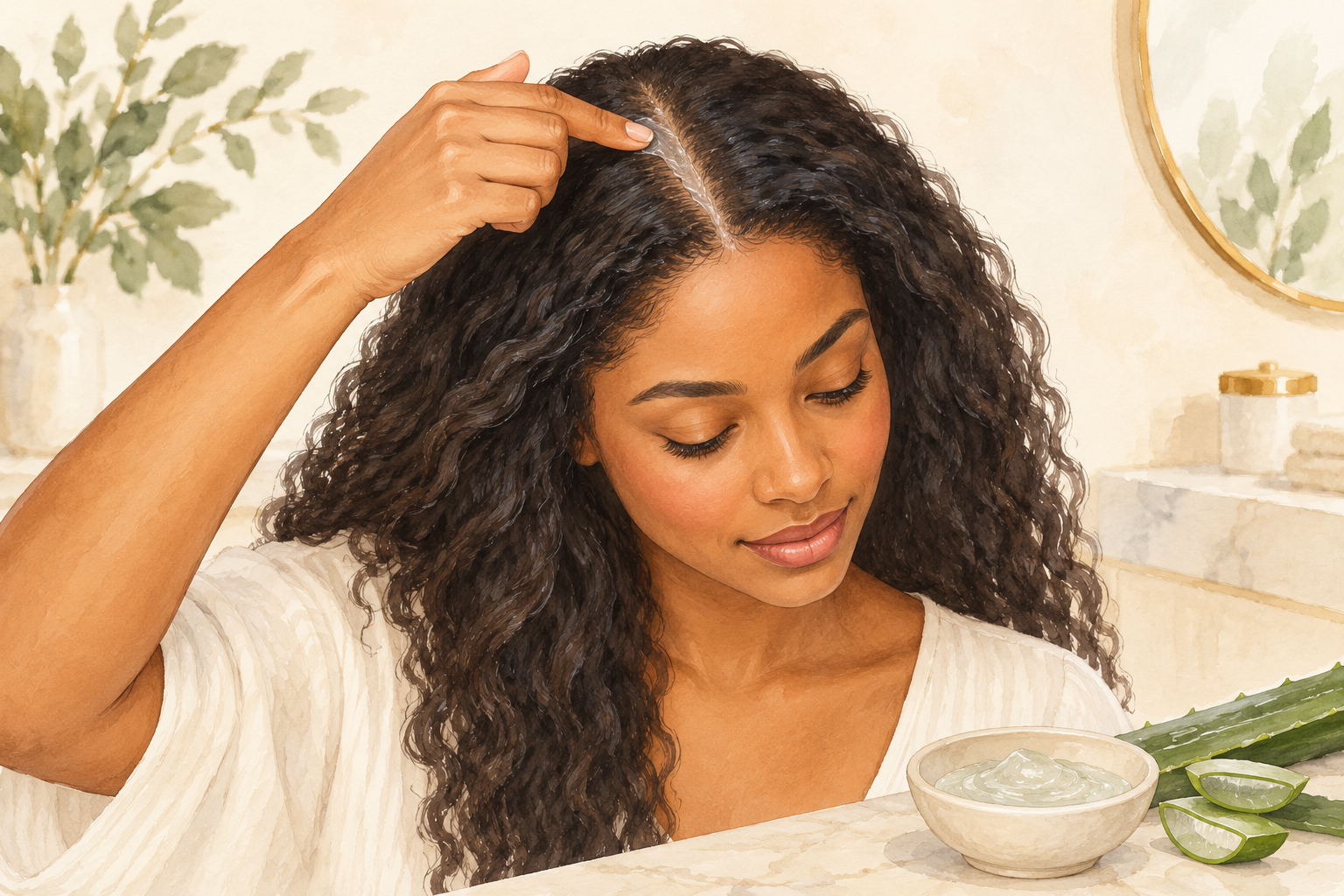
Smooth a thin layer of plain aloe gel over a damp scalp and leave it for fifteen minutes. Choose a gel with no perfume and no alcohol, because those are the things that sting. Dab a little on the inside of your arm first and wait a day. Then shampoo it out. It feels cool and calming, like a cold spoon on a tired eye. Once a week is plenty, and it soothes the itch without curing anything, so keep your hopes small and steady. Pat your scalp dry afterwards with a towel so the skin is not rubbed raw.
11. Stop scratching with your nails
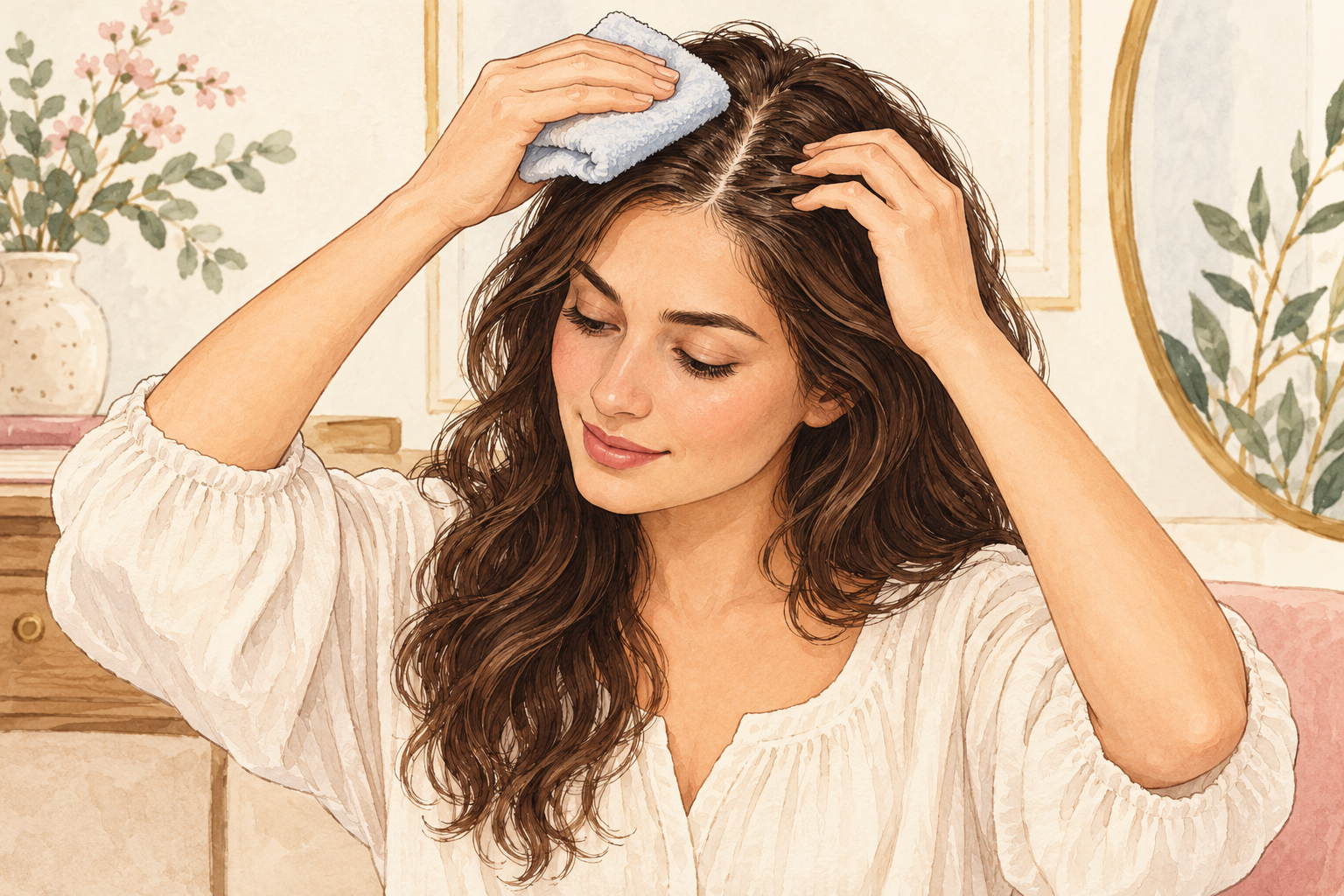
Press the itchy spot with a flat fingertip or lay a cool damp cloth on it instead. Nails scrape the skin and leave tiny scratches that sting in the next wash. Piling several new products on at once hides the cause, so keep the plan boring. A calm, repeatable routine beats any new bottle, and it gives your skin the time it needs. The urge to scratch passes faster than you think, so keep your hands busy for a minute. Short nails help when you forget yourself. Wash your pillowcase weekly, because old flakes and oil on it can make the itch return.
12. Know what two and four weeks should look like
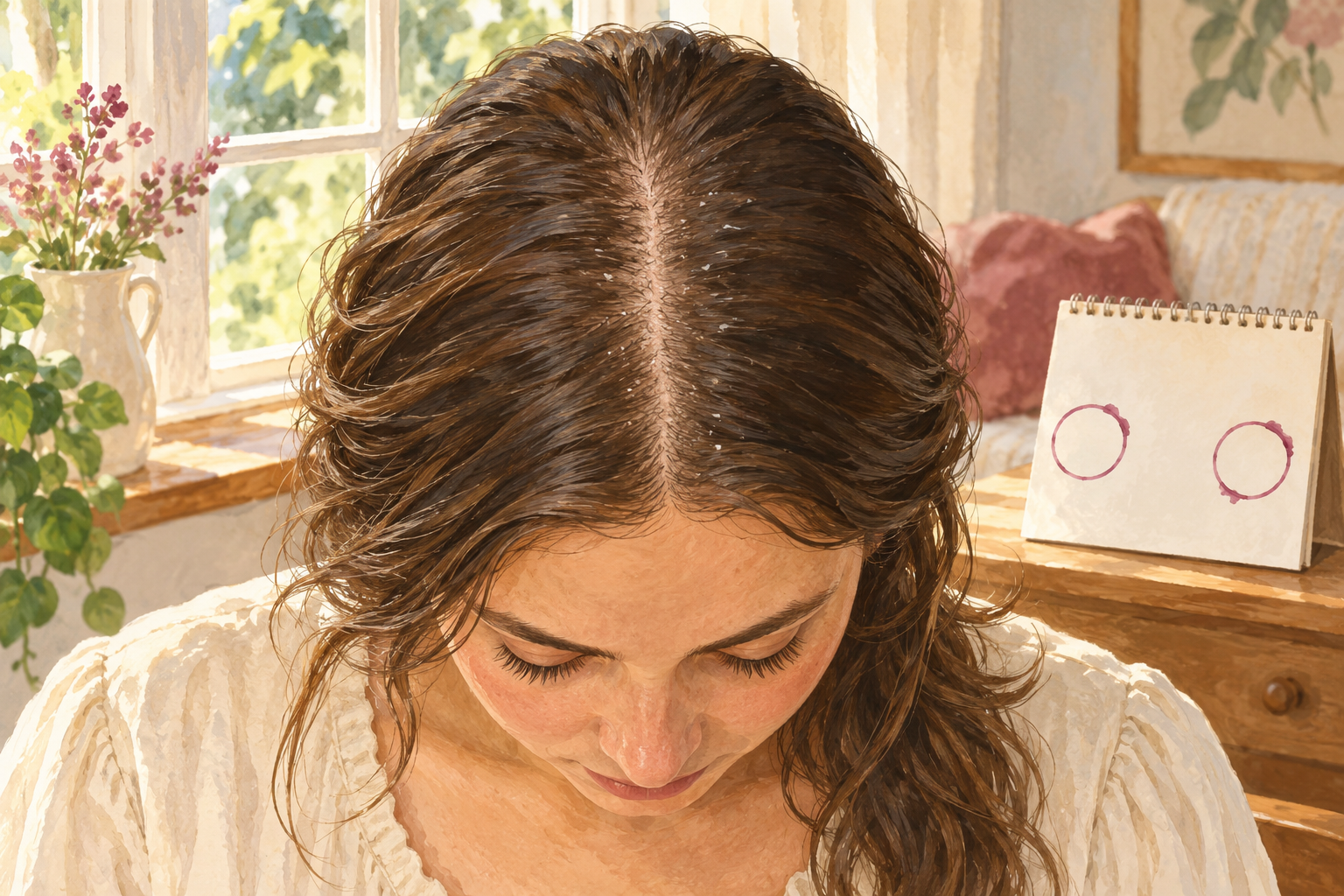
Take a photo of your parting today and another in four weeks in the same light. In week one you may feel a little less tightness after washing. By week two, if weather and water were the cause, the flakes should look lighter. By week four you can judge whether the changes are working. If your scalp turns red, crusty or sore, or patches spread past your hairline, stop the strong products and see your doctor about it. Otherwise, change just one thing and give it another two weeks. Most people notice calmer skin before the flakes disappear completely.
Complete the Routine: Dry Scalp Fixes You Can Start Tonight
Tonight, turn the shower to warm for your hair wash and pick one gentler shampoo. To go further, read how to get rid of dry scalp and anti dandruff shampoo.