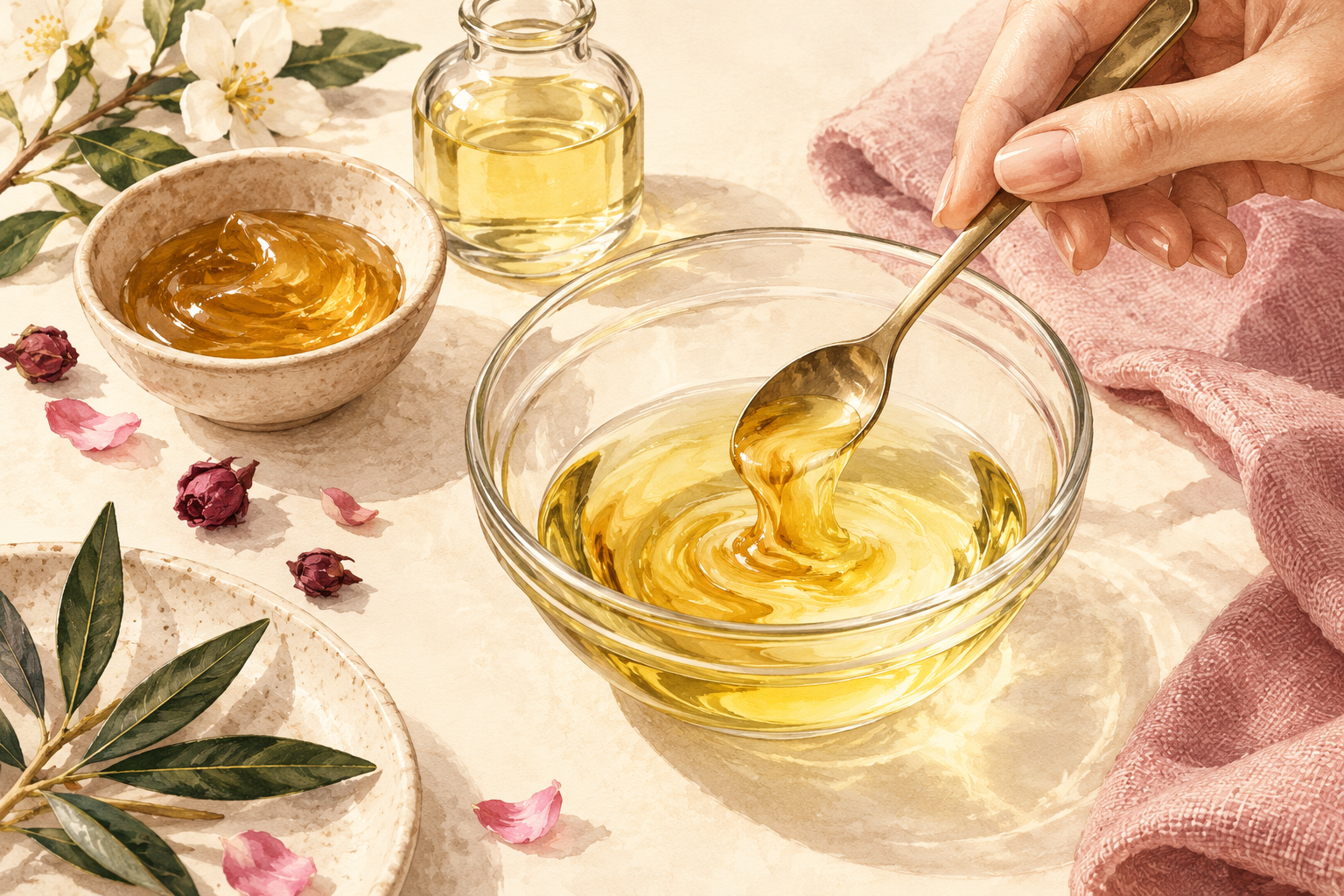
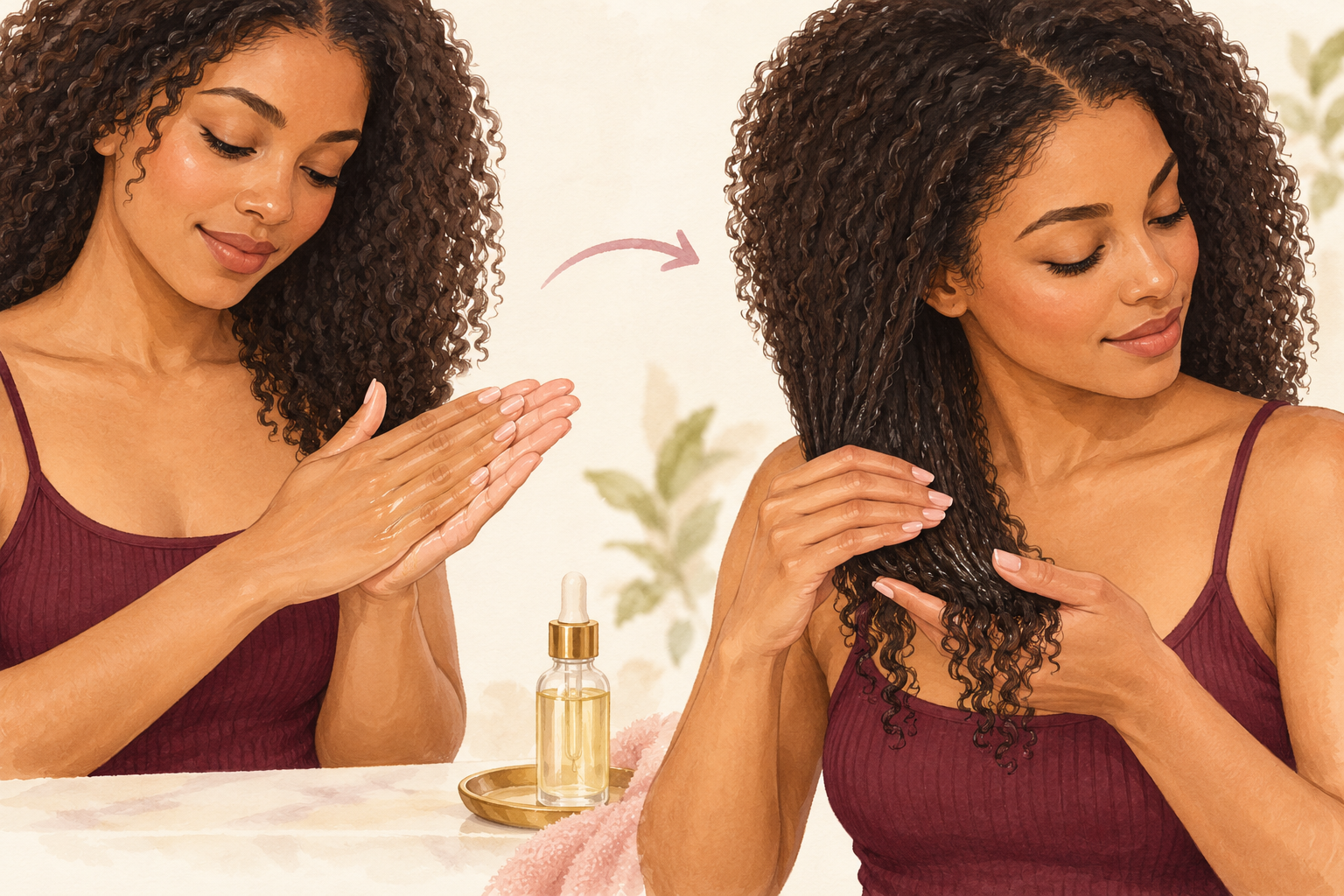
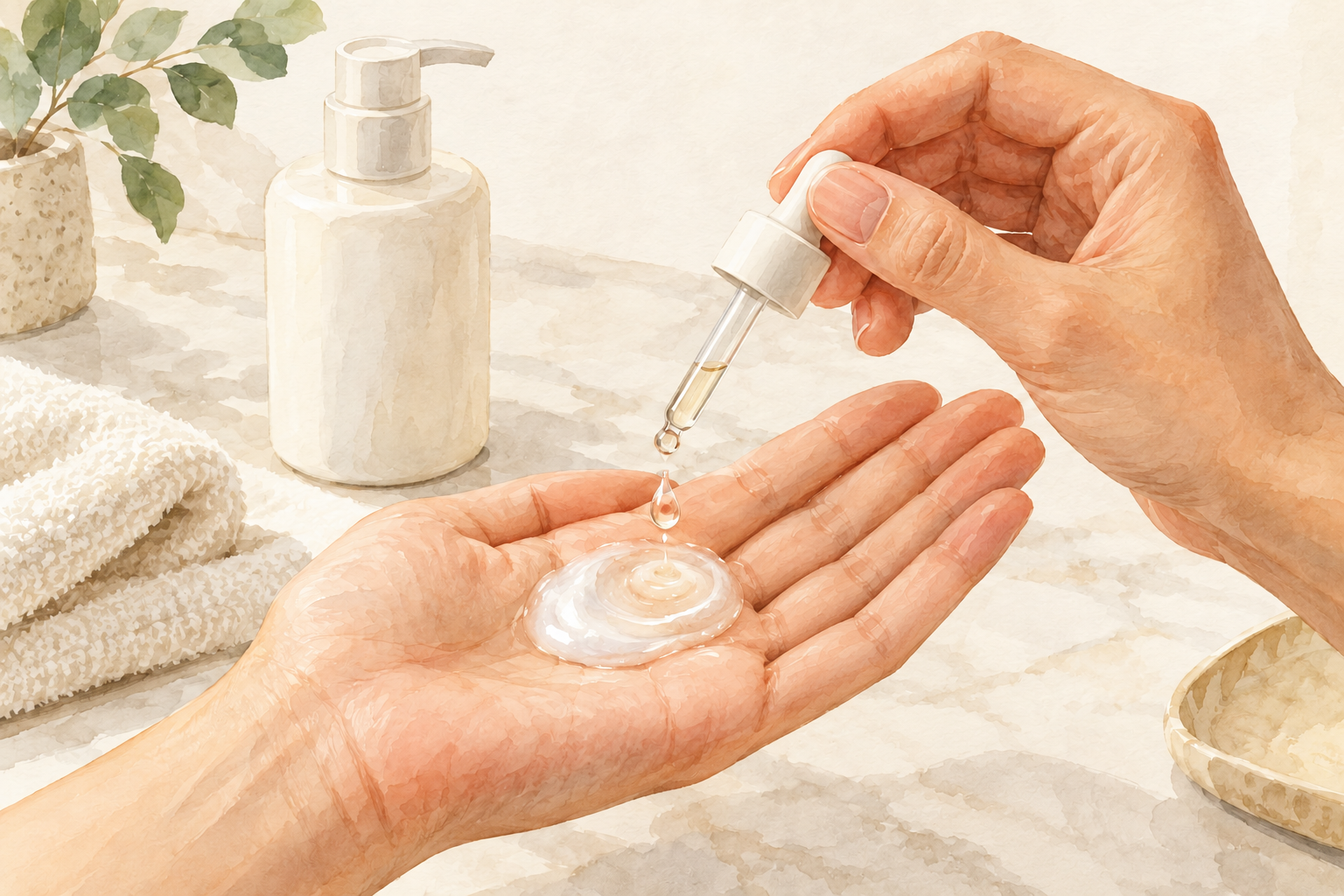
You massaged in the oil every night, and all you got was a greasy pillow and an itchy scalp. The oil was probably not wrong, it was wrong for your scalp. Hair growth oil works best when it matches what your skin needs, so these 12 picks are sorted by scalp type, from oily to dry to sensitive. Start at number one tonight.
1. Check your scalp the day after washing
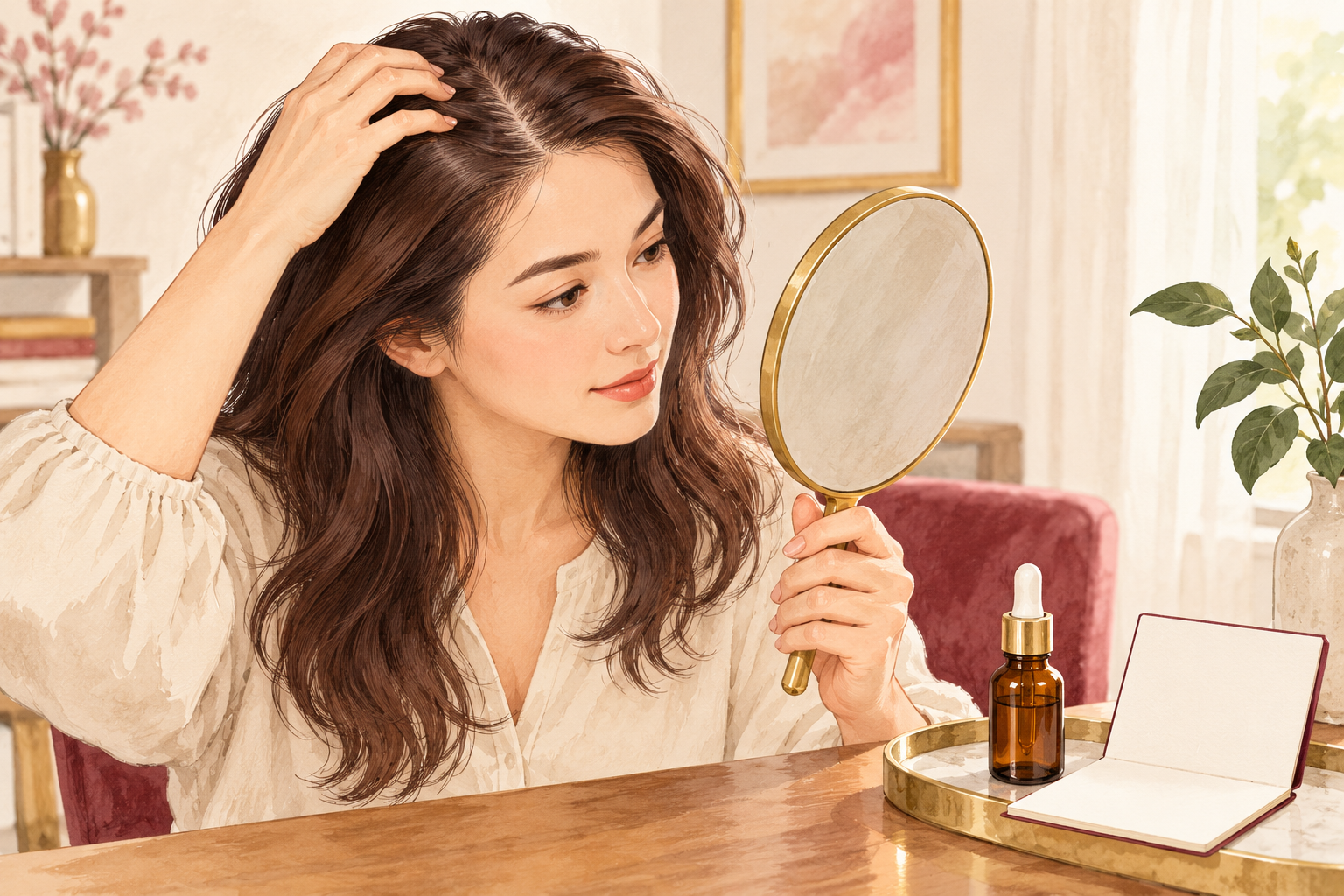
Wash your hair, skip all products, and look at your scalp in the mirror the next morning. Part your hair in a few places. If the roots look shiny and your hair is flat, the scalp is oily. If the skin looks tight with fine white flakes, it is dry. Thick yellow flakes or redness mean something different, and sensitive skin stings at almost anything. This ten second check tells you which oil to reach for. Do it again in a different season, because scalps change with the weather and your needs shift with them. In the dry months you may want a richer oil, and in the sticky months a lighter one.
2. Keep a few notes for a week

Write down how your scalp feels at night and again in the morning for seven days. Note itching, tightness, oiliness and how long your hair stays fresh. These small notes show what your scalp is asking for, and they stop you from guessing. Keep it short, just a word or two a day. When you bring in a new oil later, you will know what your scalp felt like before, so you can compare fairly. A week of notes can save you months of guessing.
3. Know what an oil can and cannot do

Oil softens your scalp and seals moisture in, but it will not speed up growth by itself. Hair grows from the root at about half an inch a month, and no bottle changes that dramatically. What oil does well is keep the scalp comfortable and the strands from breaking, which lets you hold on to more length. Think of it as good soil for a garden. If you expect miracles you will quit too soon. If you expect a calmer scalp and softer hair, you will be happy. Keep it simple and steady. A good hair growth oil is only one part of the plan, next to gentle washing, soft styles and enough to eat.
4. Jojoba oil for balance
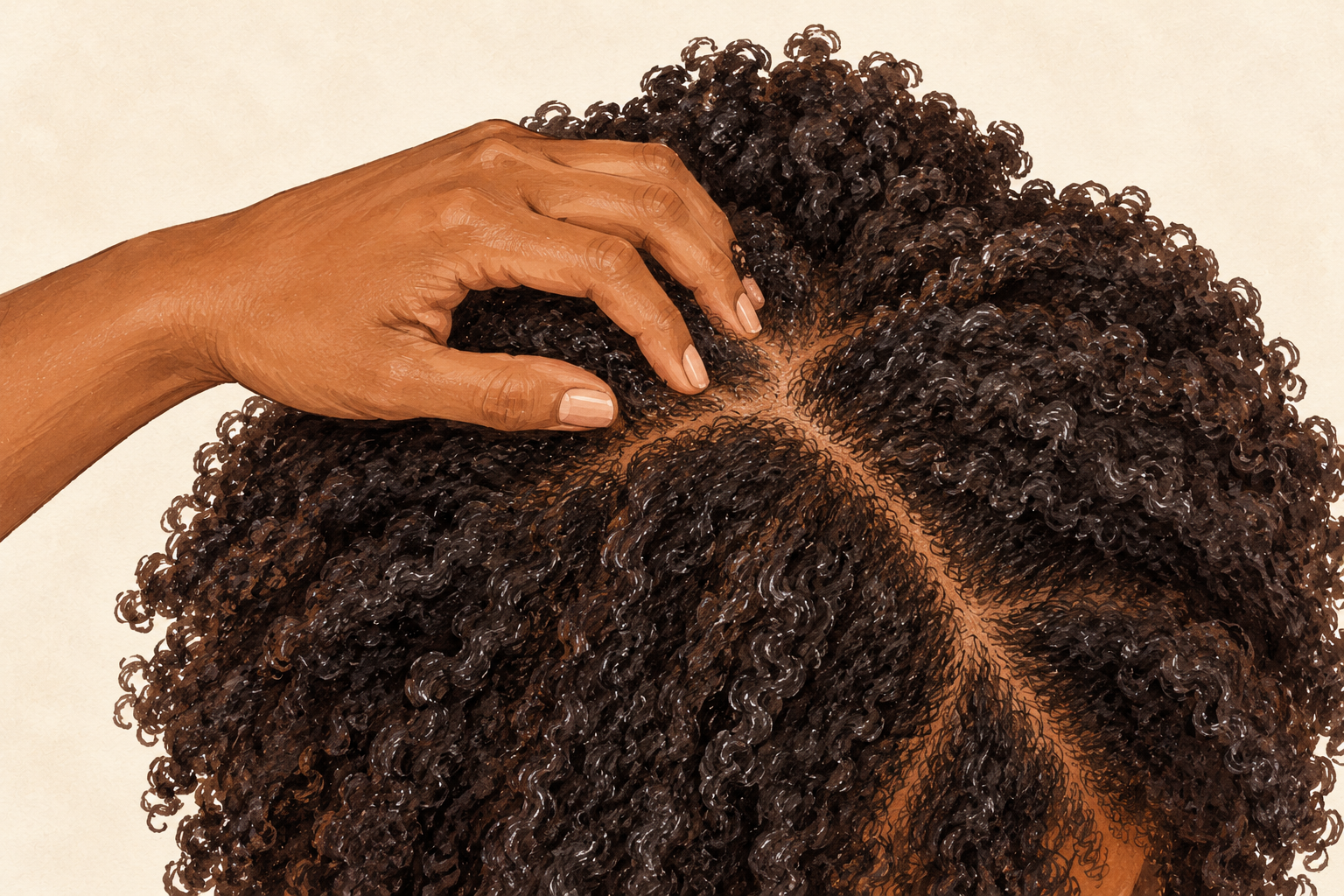
Choose jojoba if you are not sure what your scalp wants, because it sits close to the skin’s own oil. It is thin and light, so it sinks in without leaving a heavy film. Warm four to five drops in your palms and press them onto the parting lines, then massage for a minute. Use your fingertips, never your nails. It suits oily, combination and normal scalps, and works as a gentle starter for beginners. You should notice a soft, comfortable scalp the next morning, with no tight feeling. Leave it on for a few hours or overnight and wash it out.
5. Grapeseed oil for a featherlight feel
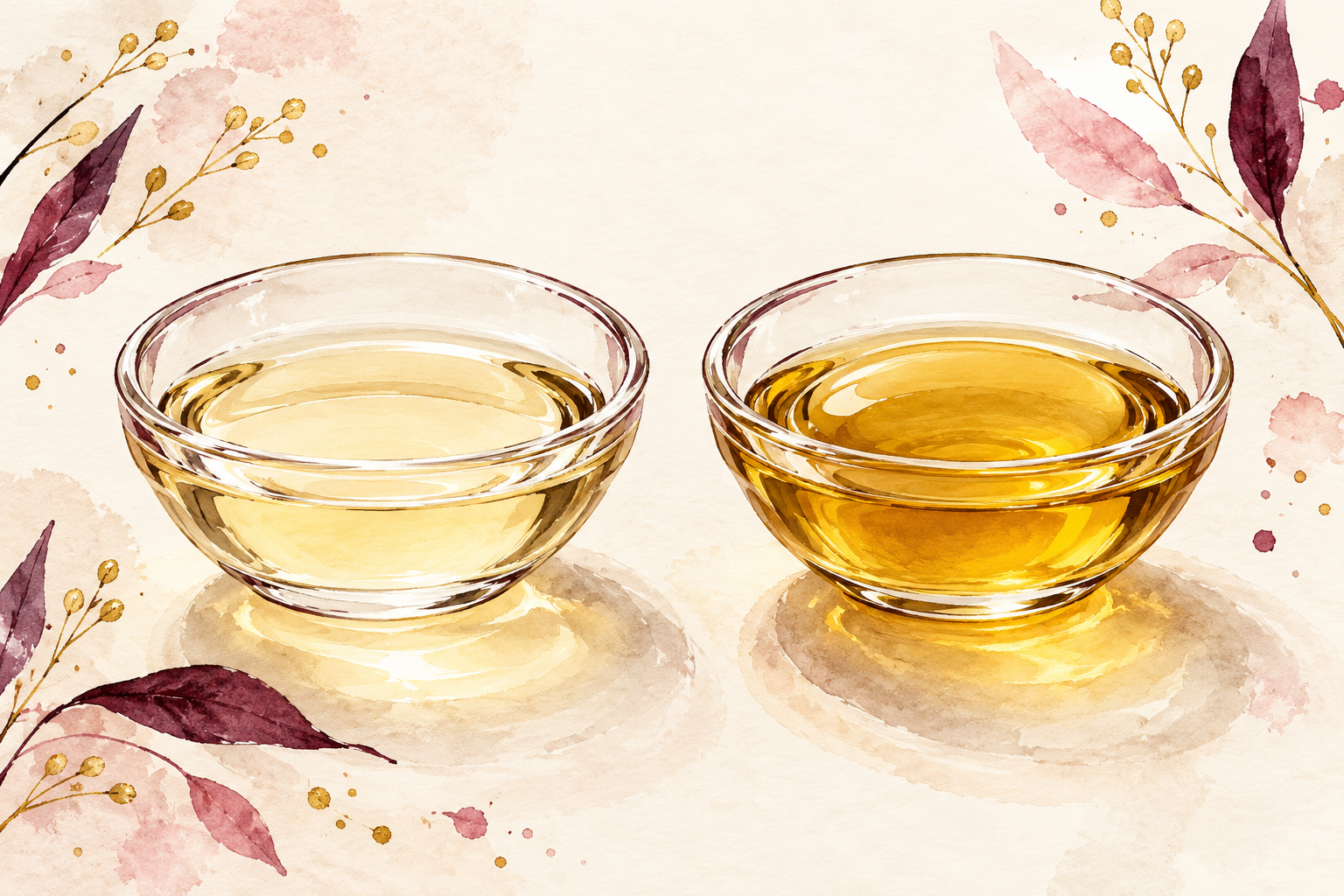
Pick grapeseed oil when your scalp is oily or your hair is fine and you want almost no weight. It is thin, almost watery, and it rinses out easily. Use three or four drops pressed across the scalp, or mix a little into your conditioner for the lengths. It will not leave a film that attracts dust. Apply it at night and wash it out in the morning. The feel is clean rather than greasy, which suits people who hate oily hair. If your hair is thick or very dry, you may want something richer. Pillow stains wash out best in warm water, so use an old pillowcase.
6. Argan oil for smoothing the lengths
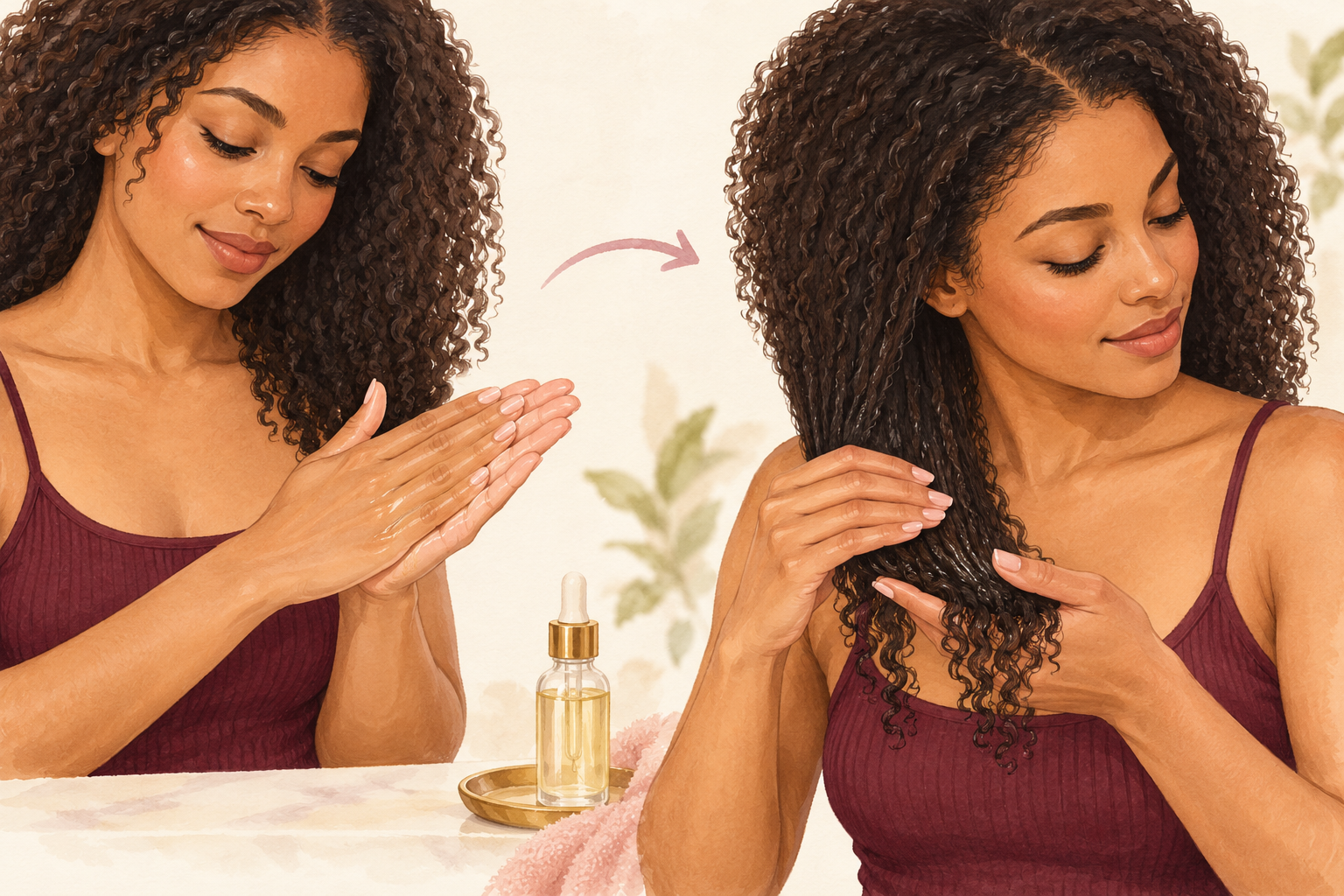
Use argan on the lengths and ends, not the scalp, to soften and add shine. Two drops warmed between your palms and smoothed over damp ends calms frizz and cuts down on breakage. It sits lighter than most oils, so it suits medium and fine hair. Think of it as the finishing coat, while another oil does the scalp work. Hair that breaks less keeps more length, which is how an oil helps your hair growth in real life. You will see a glossy finish and feel softer hair within two weeks. Keep the bottle away from direct sun, which turns oils stale.
7. Olive oil for a tight, itchy scalp
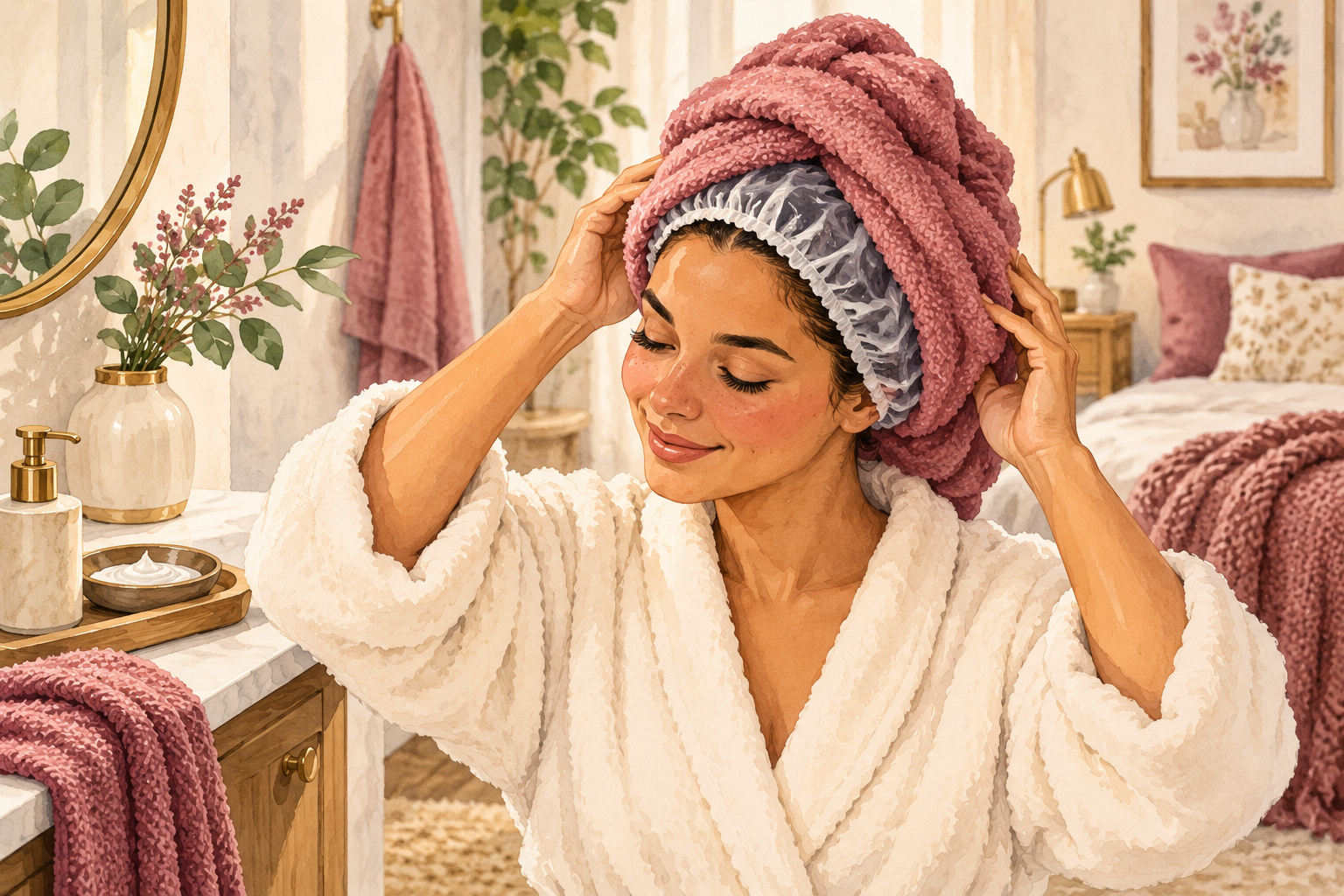
Warm a teaspoon of olive oil and massage it into a tight, dry scalp for five minutes. Olive is thick and soothing, so it helps with that stretched, itchy feeling. Warm it by standing the cup in hot water, never the microwave. Leave it on for thirty minutes with a warm towel, then wash it out with shampoo twice, since it is heavy. Do it once a week. If you have an oily scalp, skip it, because it can leave you greasy. It softens thick, coily and dry hair beautifully. The smell fades as you shampoo, but if it bothers you, a rinse with a little diluted vinegar helps.
8. Avocado oil for deep moisture

Choose avocado oil when your hair and scalp are both very dry and need a rich treatment. It is thick, green and full of softness. Warm a teaspoon and work it in at the parting lines, then comb the rest through the ends. Wrap with a warm towel for twenty minutes before shampooing. It leaves hair noticeably soft and bouncy after rinsing. Use it every week or two, because too much can build up. Fine hair may feel weighed down, so pair it with a clarifying wash once a month. Stir in a few drops of your usual conditioner if you want the softness without the heaviness.
9. Be careful with oils when you see flakes
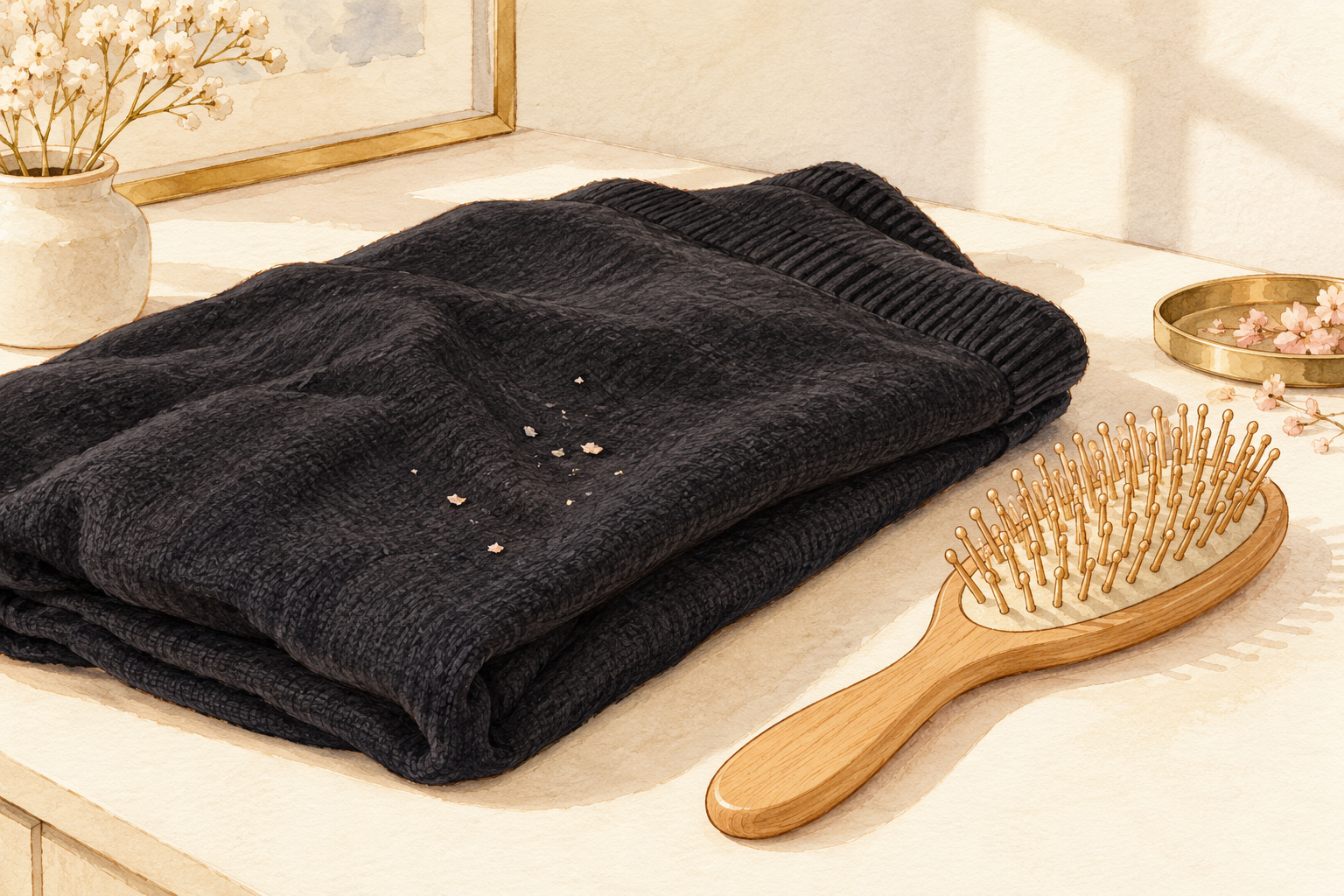
If your scalp is flaking, go easy on oil, because it can feed the flakes instead of calming them. Some flakes are dry skin and some are caused by yeast, and oil helps the first and not the second. Try washing more often first, and use oil only on the lengths. Press a drop on the scalp only if it feels tight. If the flakes are thick, yellow or sore, or do not ease after a few weeks, see your doctor. Patch test any new oil on your inner arm and stop if it stings. Gentle washing every two or three days matters more than any bottle.
10. Squalane for sensitive skin
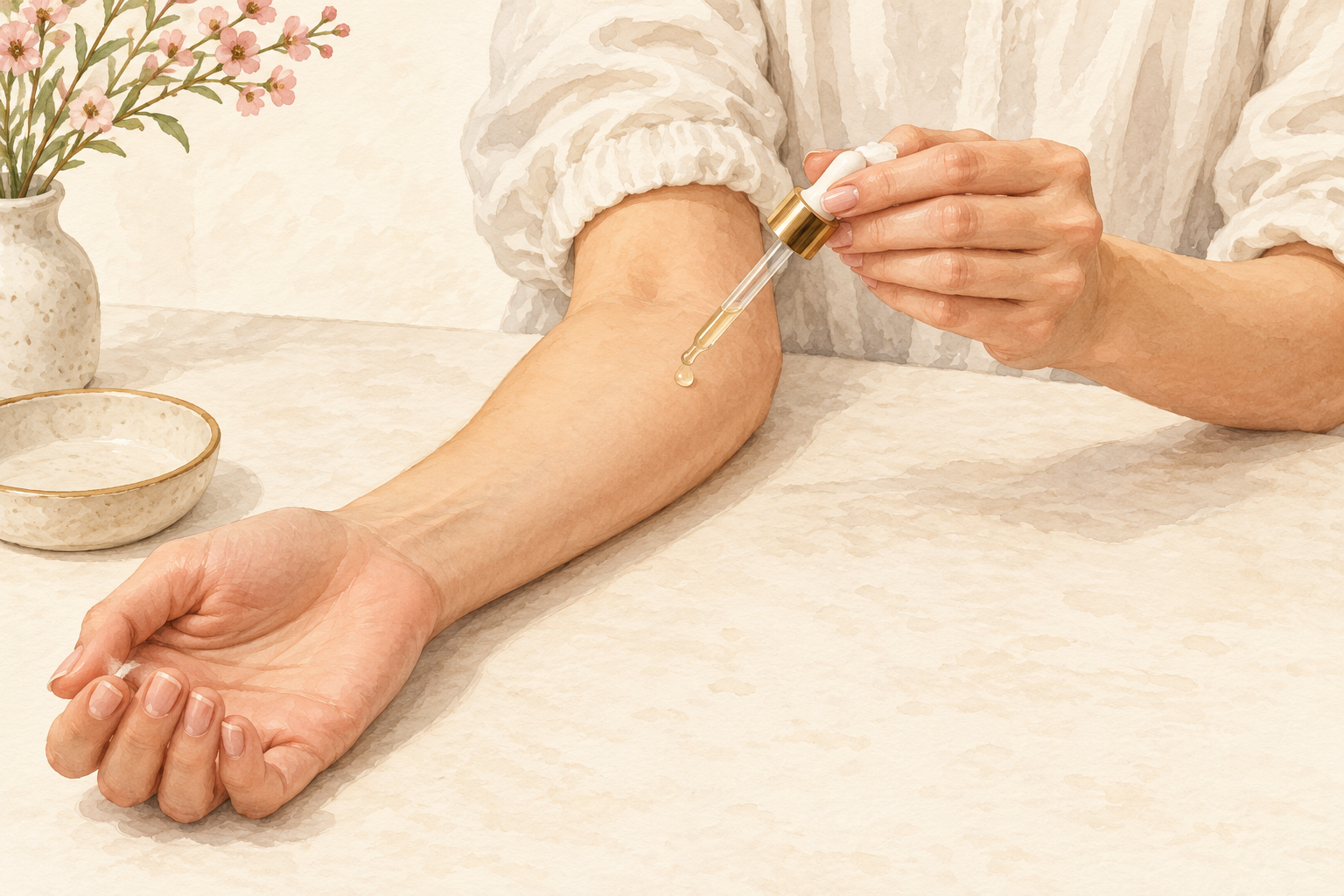
Pick squalane if your scalp reacts to most things, because it is pale, light and very gentle. It has almost no smell and does not feel greasy. Test it on your inner arm first and wait a day. If the skin stays calm, press two or three drops on the scalp at night. It suits sensitive, dry and combination scalps. Because it is so light, it rarely clogs, and you can use it a few times a week. Scrap anything with a strong perfume if your skin is touchy. Fragrance is the quickest way to turn a calm scalp into an itchy one.
11. Use small amounts two or three times a week

Use a teaspoon at most, pressed onto the scalp with your fingertips, two or three nights a week. Most people use far too much. Part the hair in rows, dab a few drops on each, then massage in small circles for three minutes. Cover your pillow with a towel, and wash it out the next morning. Daily oiling clogs the scalp and can leave a heavy feel. If your hair looks limp or your skin breaks out, cut back. The right amount leaves a soft shine, and not a wet look. Wipe your fingers on the ends of your hair so nothing is wasted.
12. Judge it after eight to twelve weeks
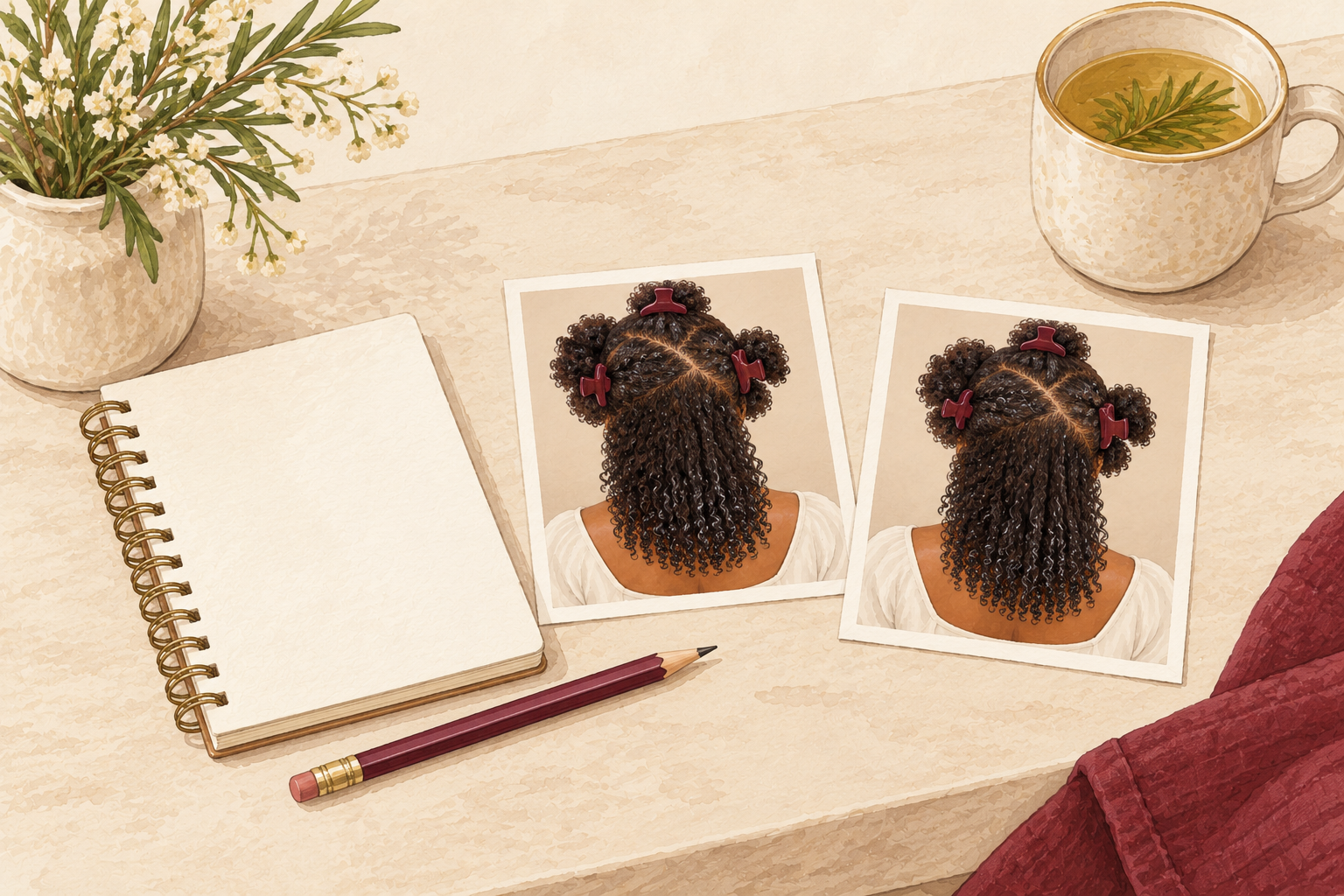
Take a photo of your parting at the start and again after eight to twelve weeks. Hair grows slowly, so the early weeks only show softness. After two or three months you should notice less breakage, a calmer scalp and maybe a little new baby hair along the hairline. If your scalp got itchier or oilier, change the oil to one that fits better. Keep the notes from step two. If nothing changed for you, that is information too. You ran a fair test, so now choose a different oil and start again.
Complete the Routine: Your Hair Growth Oil Plan Starts Tonight
Choose one oil to match your scalp and test it this week. Next, read about castor oil for hair growth and a simple natural hair growth oil to make at home.