You stand in the aisle staring at twenty little bottles, and every label promises longer hair. The truth is that natural hair growth oil is not one thing, because each oil has a different weight and a different job. These 12 tips and oils show you how to match the oil to your hair, so start at number one before you buy anything.
1. Know what an oil can and cannot do
Treat oil as a protector and a scalp massage helper, not a miracle that grows hair faster. Your hair grows from the follicle under the skin, and no bottle changes how fast that happens. What oil does well is soften the strands, cut friction and seal in water, which keeps hair from snapping. Hair that breaks less looks longer over time, and that is the real win. Keep your hopes realistic and you will enjoy every bottle more. You also will not feel let down in month two when your hair is not magically past your shoulders.
2. Read the back of the bottle
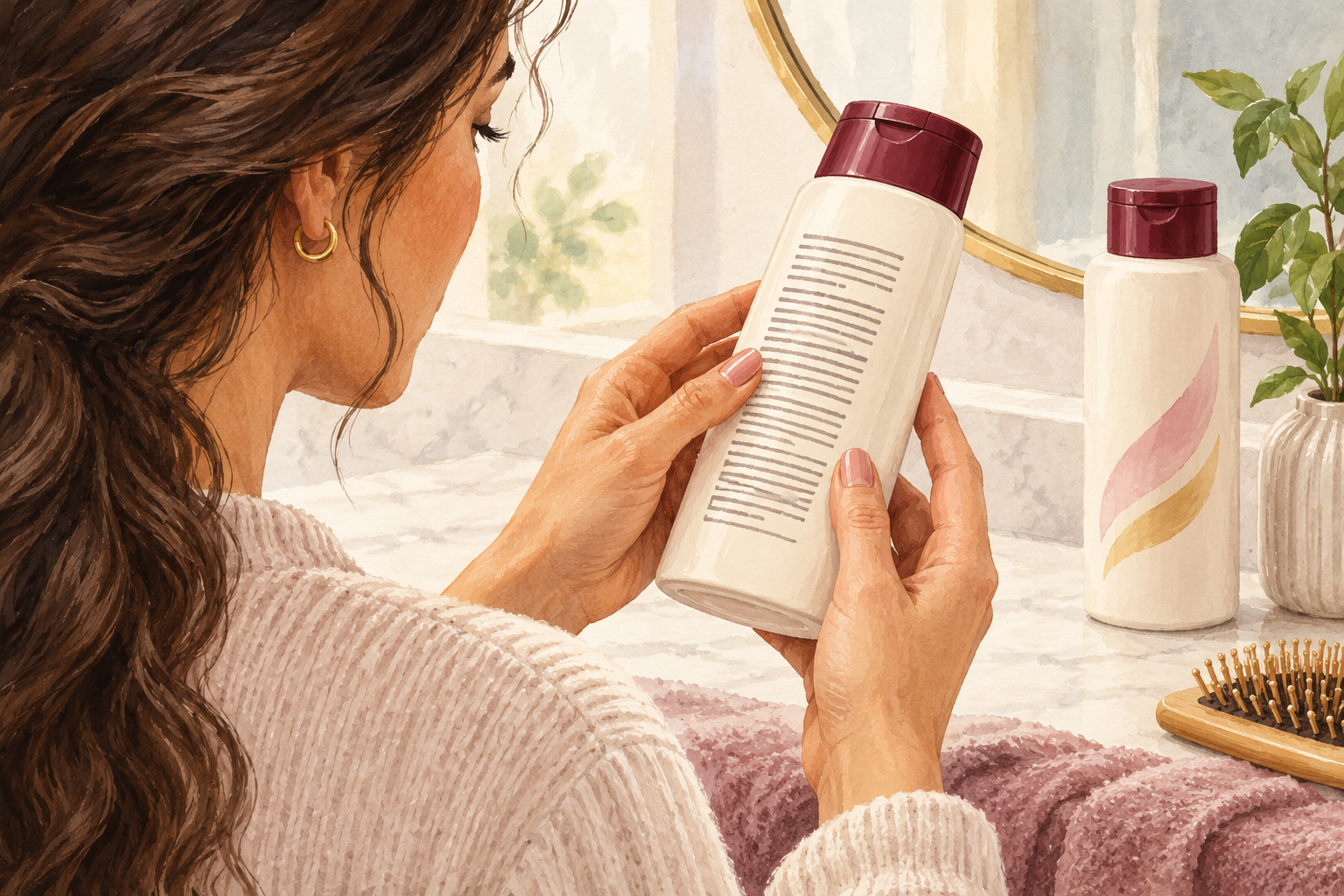
Look for a short list with one oil in it, and words like cold pressed or unrefined. Fewer ingredients means fewer chances for irritation. Skip bottles with added perfume or color, because they are the usual reason scalps itch. Dark glass protects oil from light, so it stays fresh longer. Pour a drop into your palm and smell it. A good oil smells mild and a little nutty, never sharp or like old paint. The front of the bottle sells you a story, while the back tells you what is actually inside. Pass on anything that lists fragrance near the top.
3. Match the weight to your hair
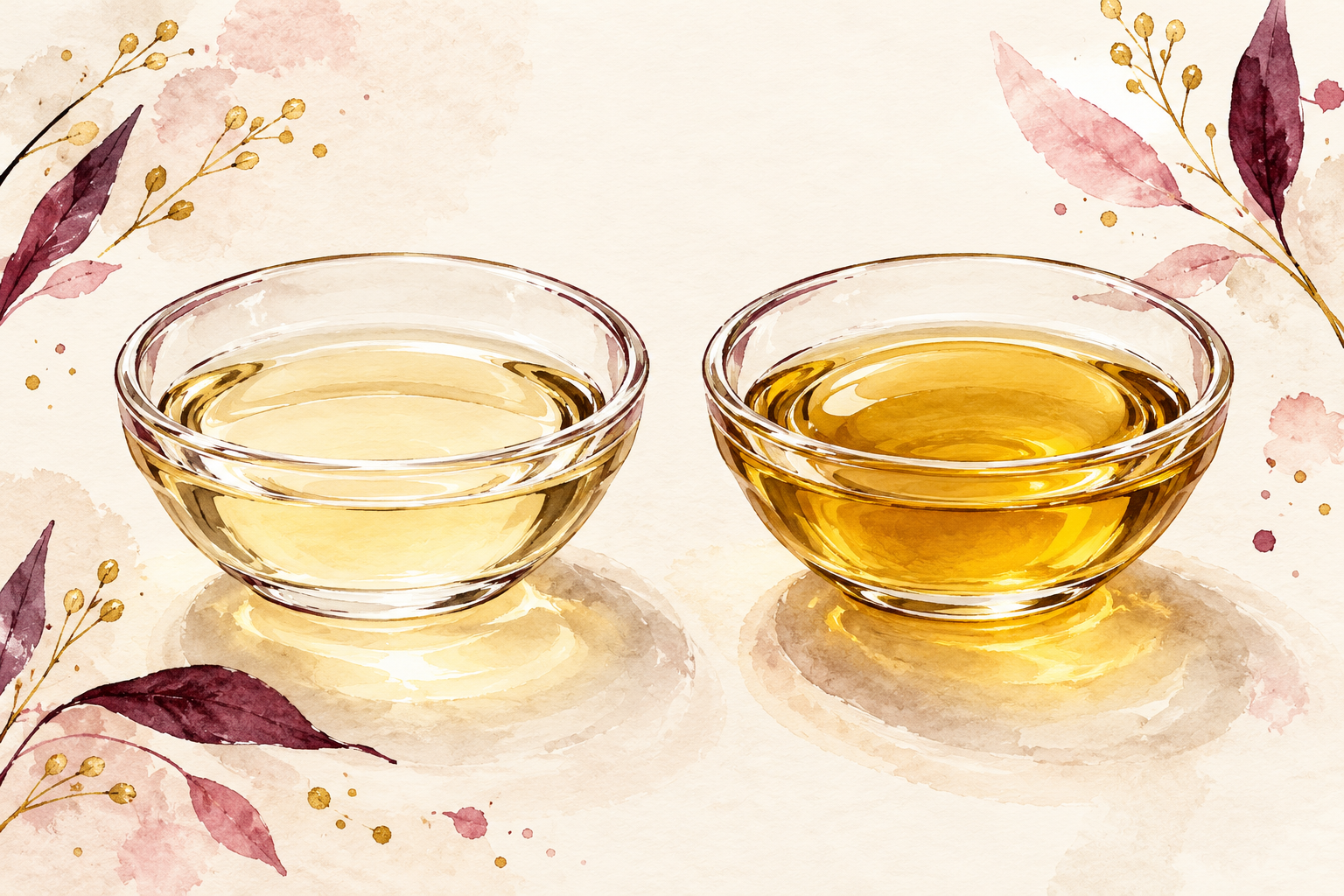
Rub a drop between your fingers to judge it, because light oils vanish fast and rich oils stay slick. Light oils suit fine or oily hair, medium oils suit most people, and heavy oils suit thick, coily or very dry hair. Using an oil that is too heavy is the number one reason people say oil makes their hair greasy. Start in the middle of the range if you are unsure. Move lighter if your hair feels flat and richer if it feels brittle. Your hair will tell you within two or three washes. Keep a note of what you tried so you do not repeat a mistake.
4. Jojoba for everyday balance

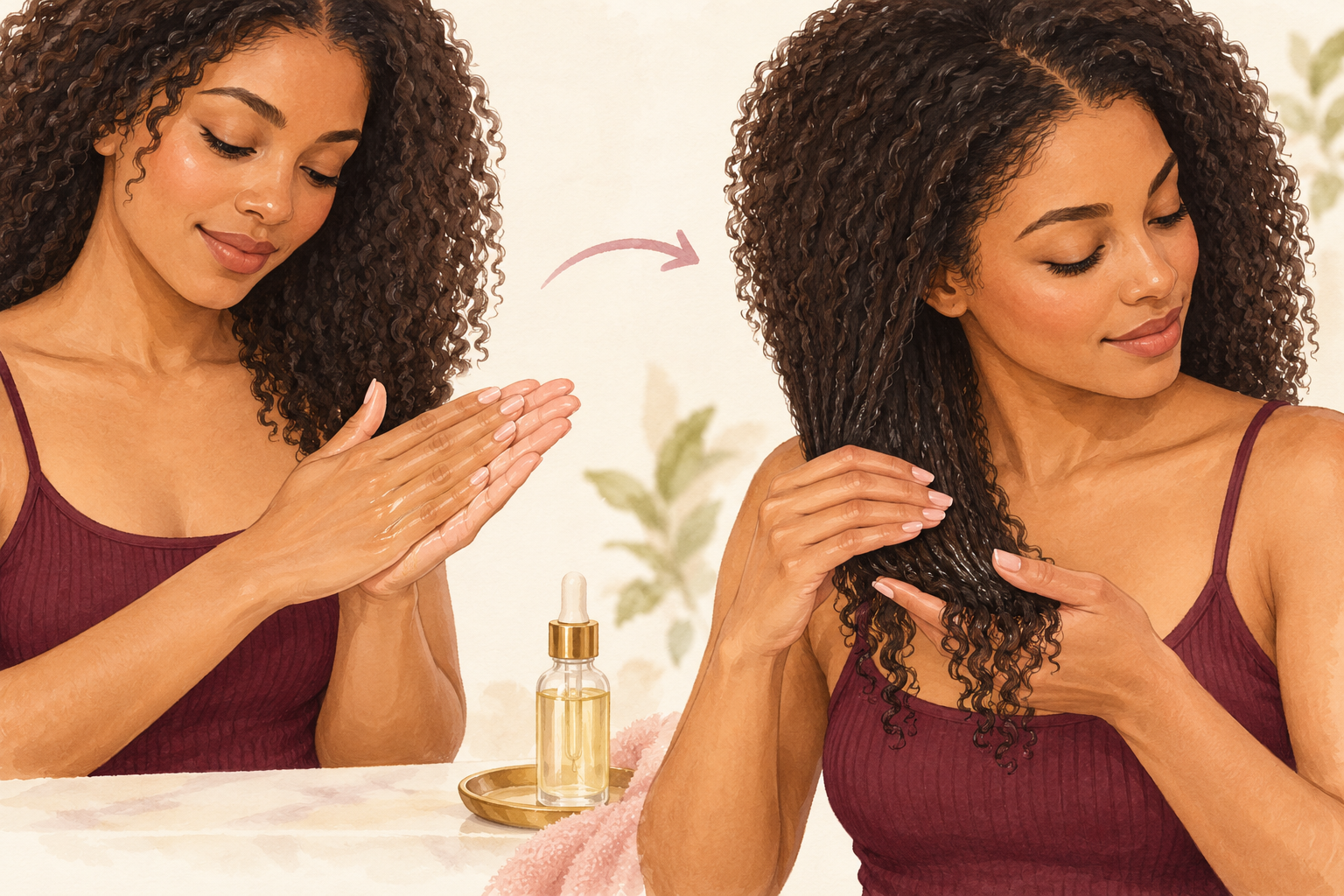
Choose jojoba if your hair is fine, oily, or somewhere in between. It is technically a wax, and it feels very close to the oil your own scalp makes. That is why it rarely leaves a heavy film, even if you use a few drops daily. Warm three drops between your palms and press them onto the ends, or massage a teaspoon into the scalp before a wash. It also keeps well, so one bottle lasts for months. If you only buy one oil from this list, make it this one. It is a safe first pick for a natural hair growth oil routine, since few scalps react to it.
5. Grapeseed for a featherlight finish

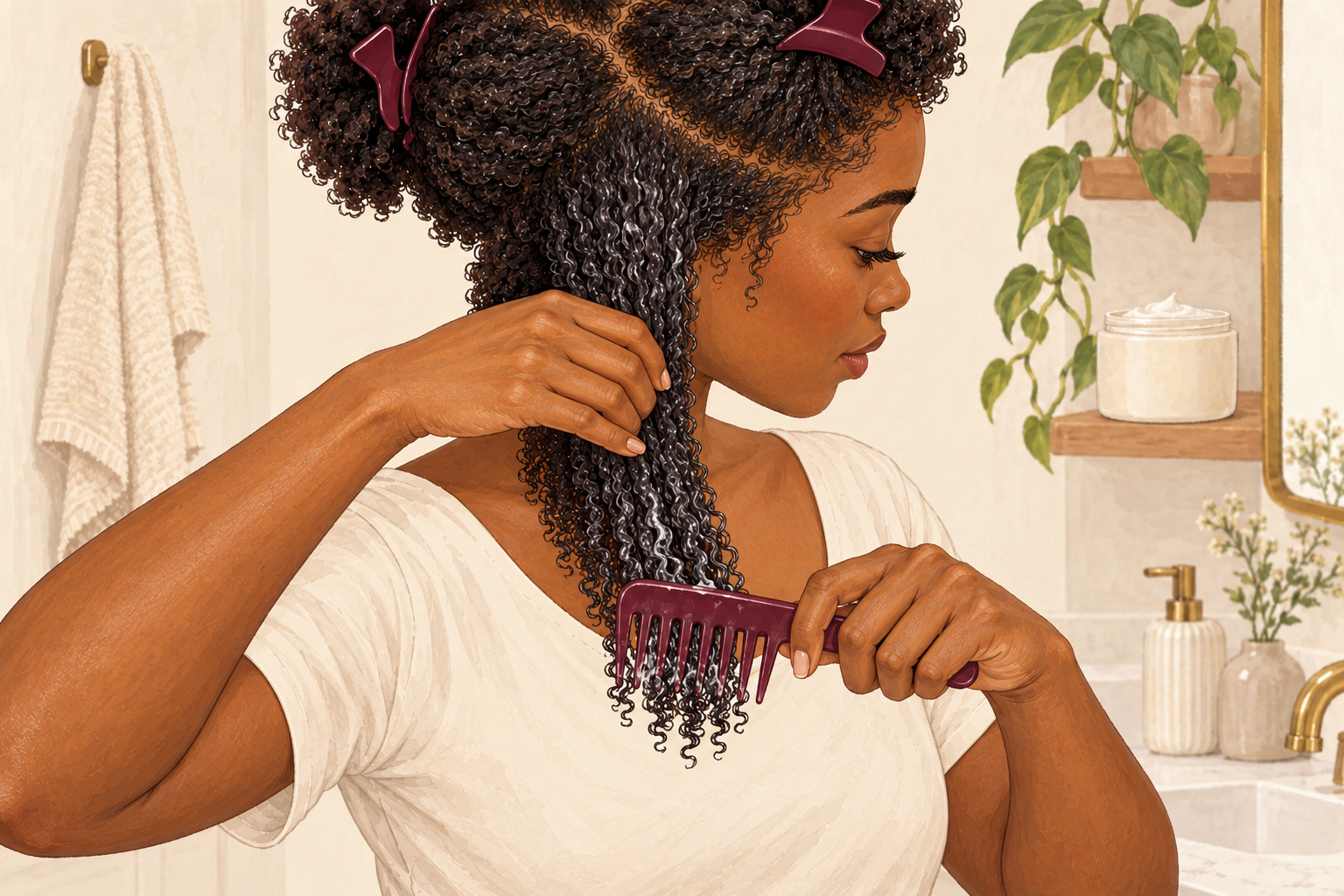
Reach for grapeseed oil when you want shine without any weight. It is pale, thin and almost scentless, so it sinks in quickly and rinses clean. It suits fine, straight or wavy hair that goes limp with anything thicker. Use five or six drops on damp hair after a wash, concentrating on the ends. It is also a good base for mixing with a richer oil. Because it is so light, it does not do much for very dry, coily hair on its own, and that hair will want something heavier. Spread it with a wide comb for an even coat.
6. Argan for shine and frizz control

Pick argan oil if frizz and dullness bother you more than dryness. It is a medium weight oil that smooths the outer layer of the strand, so hair catches the light. Smooth two or three drops over dry hair as a finisher, working from the middle to the ends. It is lovely on heat styled hair too, and it works well on both curls and straight hair. Check that the label lists only argan oil, because blends with silicones can build up. If your hair looks greasy afterwards, use half as much next time. A pea sized amount covers shoulder length hair.
7. Coconut for protection before a wash
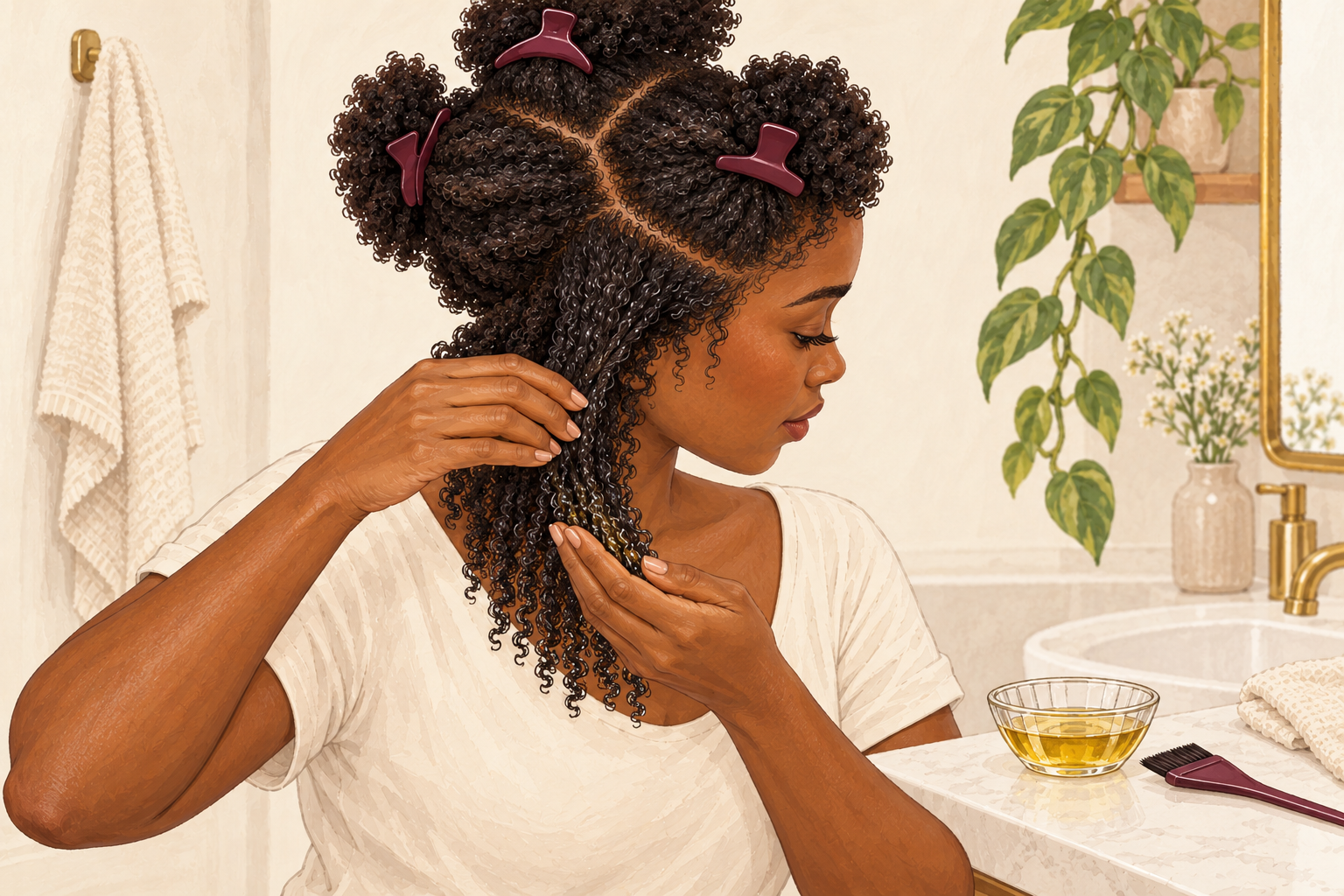
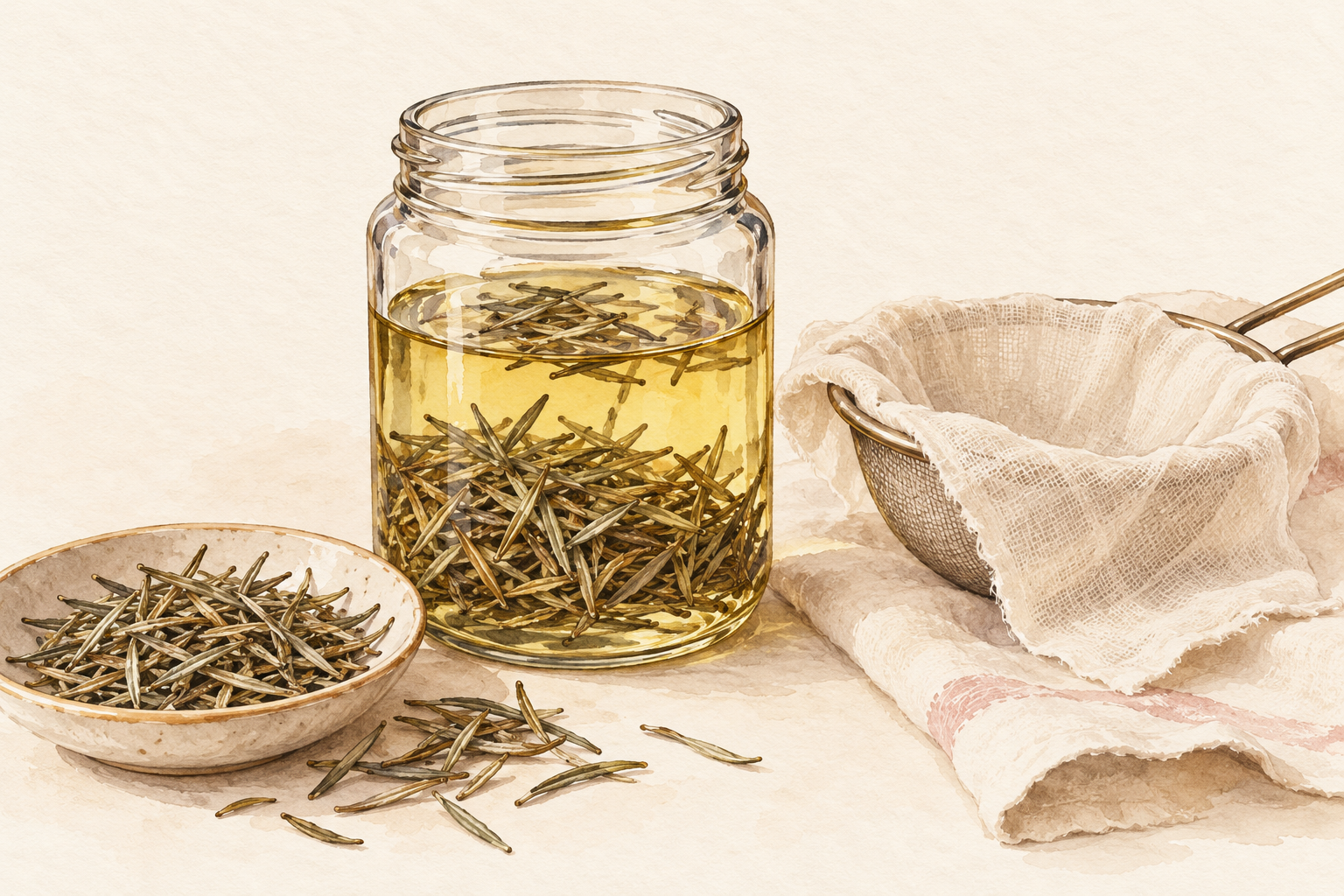
Use coconut oil as a pre wash treatment, not an everyday leave in. Melt a tablespoon in your hands, coat the lengths from the ears down, and leave it on for thirty minutes before shampooing. It slips into the strand and keeps it from swelling too much in water, so there is less breakage on wash day. Avoid putting it on the scalp if you get breakouts. Some fine or low porosity hair feels stiff with coconut, so test it on one section first. Shampoo twice to rinse it out. Warm weather makes it easier to spread, because coconut oil turns solid when the room is cool.
8. Olive and avocado for dry, thick strands

Choose olive or avocado oil when your hair is thick, dry or coily and soaks up everything. Both are rich, so a little goes a long way, and both are good as an overnight treatment. Warm a tablespoon, work it through your lengths, and wrap your hair in a satin scarf. Wash it out in the morning. They are heavy on fine hair, so skip them if your hair goes flat easily. For daily use on thick hair, a few drops on the ends is plenty, and you can also mix them with something lighter. Olive oil smells stronger than avocado, so pick by nose.
9. Castor for thick, sticky slip
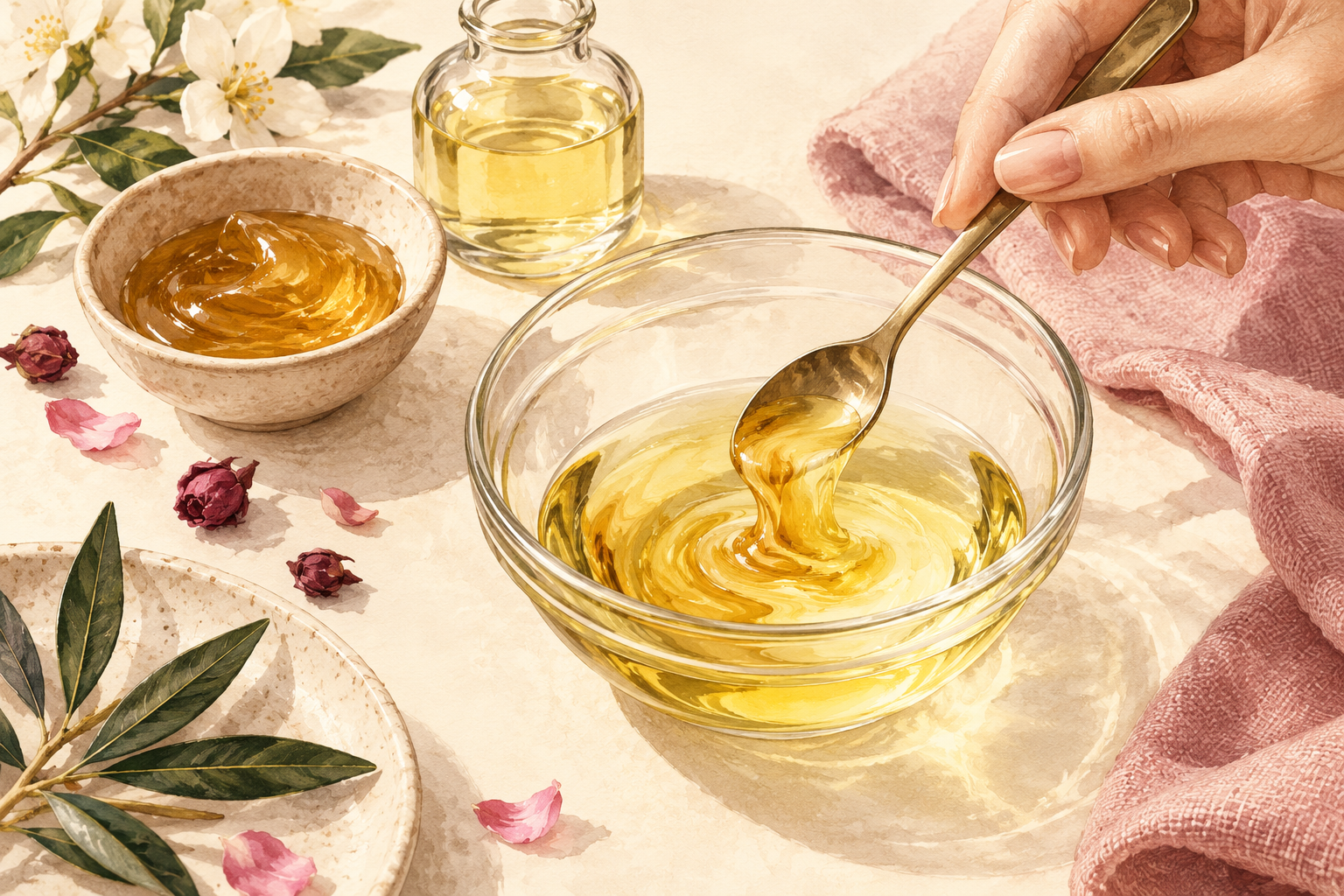
Use castor oil in small amounts, about one part castor to three parts lighter oil. It is the thickest oil on this list, so on its own it clumps and takes a lot of washing out. Mixed with a lighter oil, it coats the strands and helps hold moisture in. Dab it along the parting and the edges, and stay away from your eyes. Patch test first, and rinse with a gentle shampoo twice. If your hair feels hard or tacky, you used too much castor, so cut it in half. Many women love it for edges and thin ends. Dab, do not pour, and your edges will thank you.
10. Try pumpkin seed or black seed in a small bottle
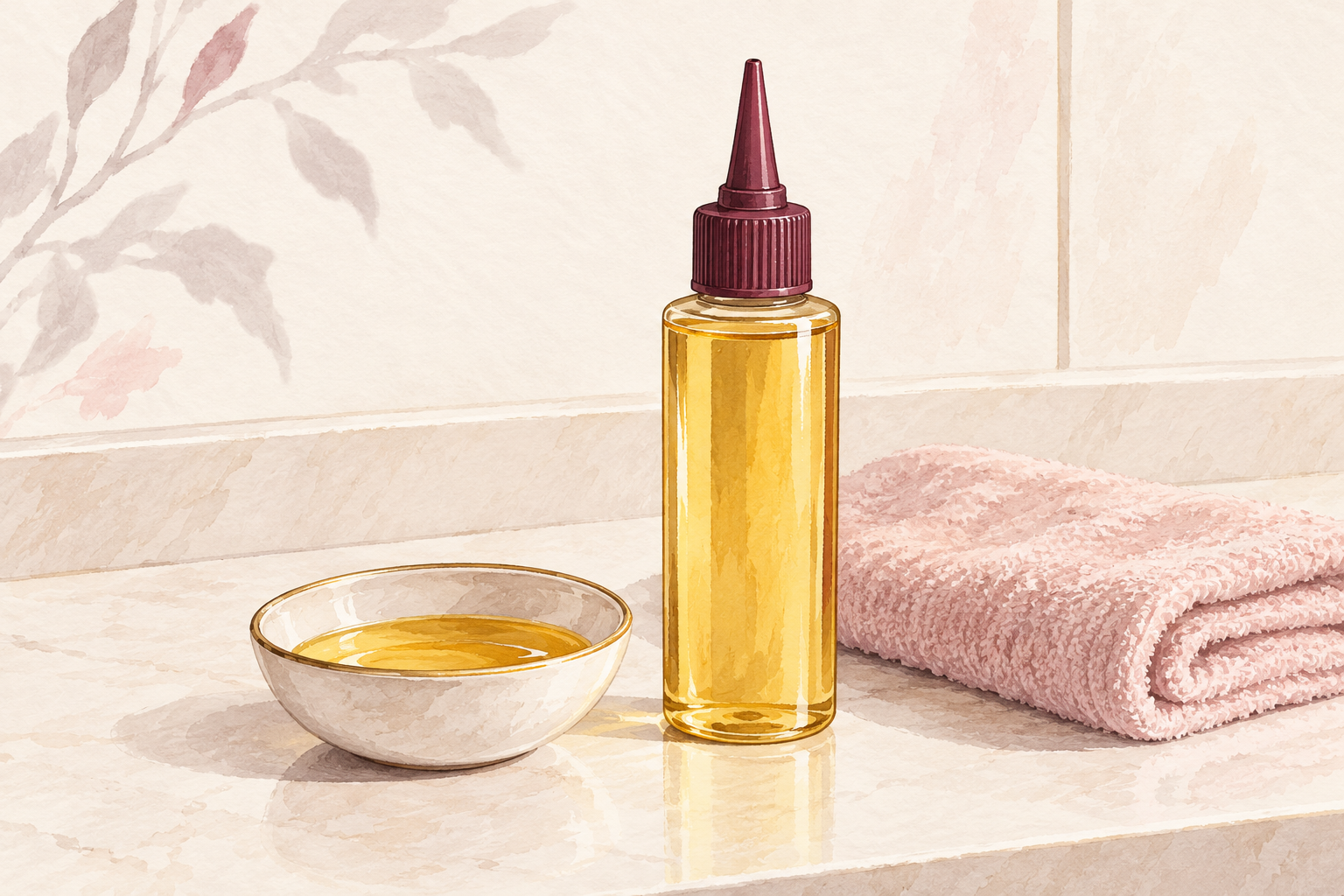
Buy a small bottle of pumpkin seed or black seed oil if you want to try something newer. Both are popular in scalp care, but the proof is lighter than for the classics, so treat them as an extra rather than your main oil. Black seed oil is strong, so patch test it and mix two drops into a tablespoon of jojoba. Pumpkin seed oil is dark and rich, with a toasty smell. Use either once or twice a week on the scalp, and stop if it itches or burns. A small bottle lasts months, so there is no need to stock up.
11. Apply it the right way and not too often
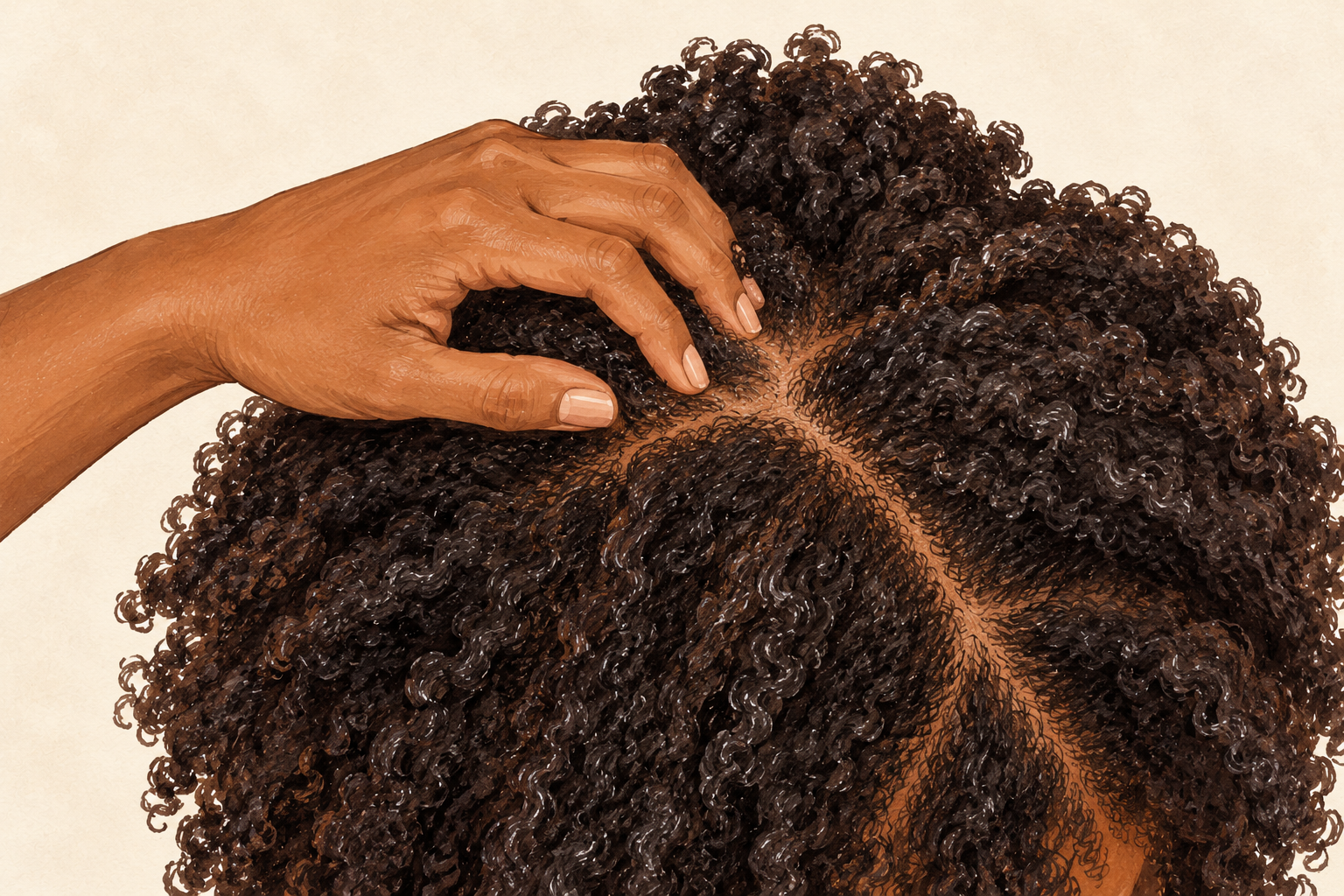
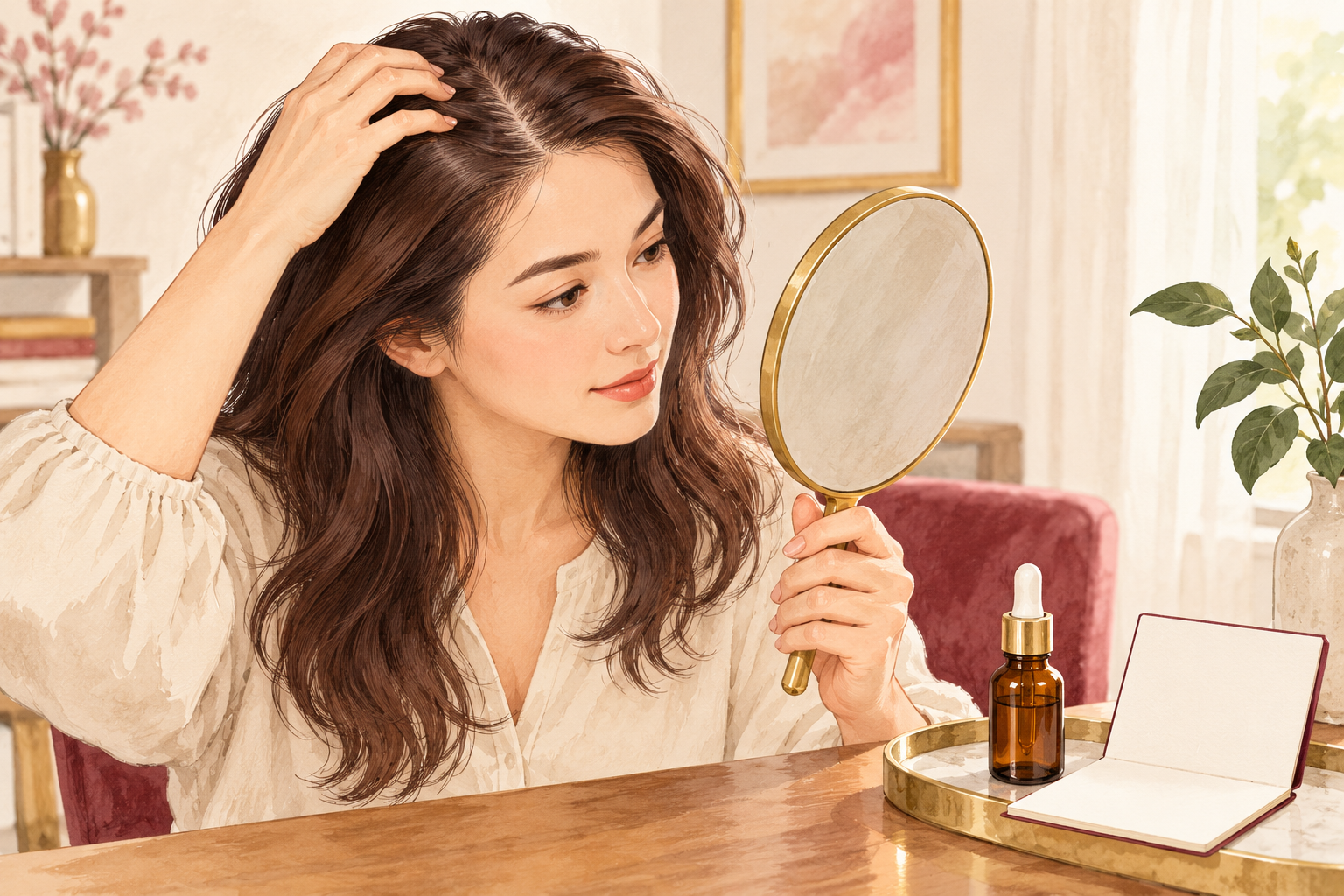
Warm a teaspoon in your palms, massage your scalp in small circles for five minutes, then smooth any extra down the ends. Leave it for thirty minutes or overnight, then shampoo it out. Twice a week is plenty. Oil on a dirty, sweaty scalp can trap flakes, and daily use builds up and weighs hair down. Always apply to clean, slightly damp hair when you want to seal in moisture. Use the same amount each time so you can tell what the oil is doing, and never apply it to a sore or broken scalp. Wipe the bottle neck clean so the next use stays fresh.
12. Judge it after eight weeks and know when to skip

Use one oil for eight weeks, then check whether your hair feels softer and breaks less. Look for fewer short pieces in your comb, smoother ends and easier detangling. If your scalp itches, flakes or breaks out, skip that oil and try a lighter one. Skip oils altogether if your hair is limp, your scalp is oily, or you only wash every few days. More oils on the shelf will not give you more hair, so stay with the one that works. Take a photo in the same light each month so the changes are easy to see. Keep a short note on how your scalp felt each week, too.
Complete the Routine: Natural Hair Growth Oil Made Simple
Pick one oil, use it twice a week and keep it going for eight weeks. For recipes and more ideas, read about hair growth oil recipe and castor oil for hair growth.