Scroll through any beauty feed lately and you will see the same quiet trend, which is long, smooth, glossy hair credited to Japanese hair care. It looks effortless, and it is tempting to assume there is a secret product behind it. In my experience the real story is less glamorous and more useful, because it is a set of patient habits built around the scalp, gentle handling, and a calm approach to washing and drying.
I want to be clear about what this guide to Japanese hair care is. It is not a claim that one culture has the answer to perfect hair, and it is not a promise that you will look like anyone in a photograph. Hair type, genetics, and climate vary enormously. What I can offer is a collection of Japanese hair care habits that are commonly associated with Japanese beauty routines, explained plainly, with notes on what is well supported and what is simply a pleasant tradition worth trying if it suits you.
The twelve Japanese hair care habits below are grouped into scalp care, washing, finishing with oil and tools, drying, and evening rituals. Some of them need nothing more than your fingertips, and others call for a small purchase such as a wooden comb. Try two or three first, notice how your hair feels after a month, and keep only what fits your life. Smooth, healthy hair is built in small steps that you can actually keep up. That is what makes the whole routine feel sustainable.
Japanese Hair Care Treats the Scalp Like Skin
The first idea in Japanese hair care is that healthy hair starts with a calm, clean scalp. It is the most transferable habit on the list.
1. Give Your Scalp a Slow Massage
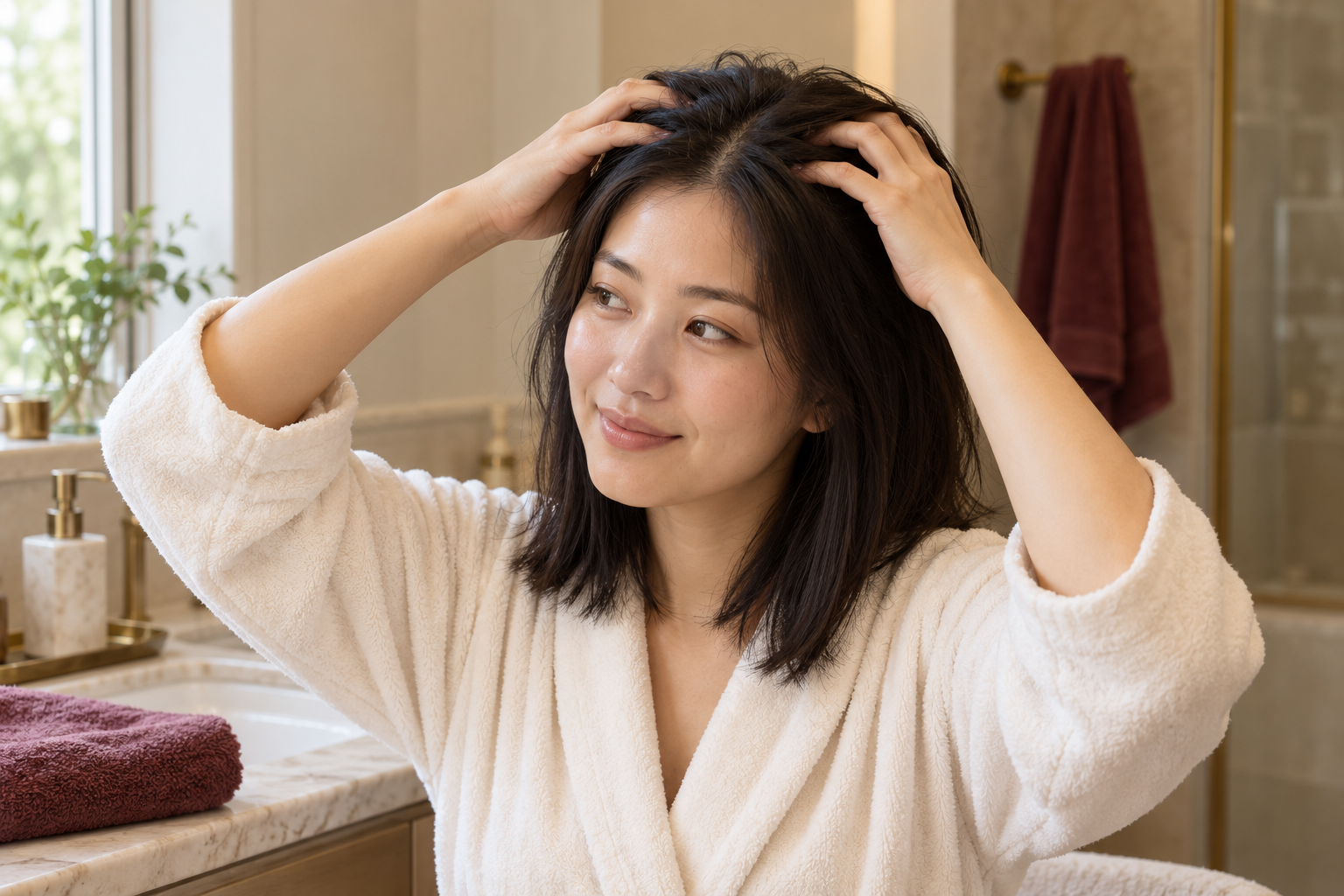
Many head spa treatments in Japan focus on a long, slow scalp massage. You can copy the idea at home with the pads of your fingers, using small circles from the hairline back toward the crown for several minutes. Keep your nails short and your pressure comfortable. A small study linked regular scalp massage to thicker hair over time, and even if the effect is modest, it feels wonderful and helps you notice any irritation early.
2. Loosen Buildup Before You Shampoo
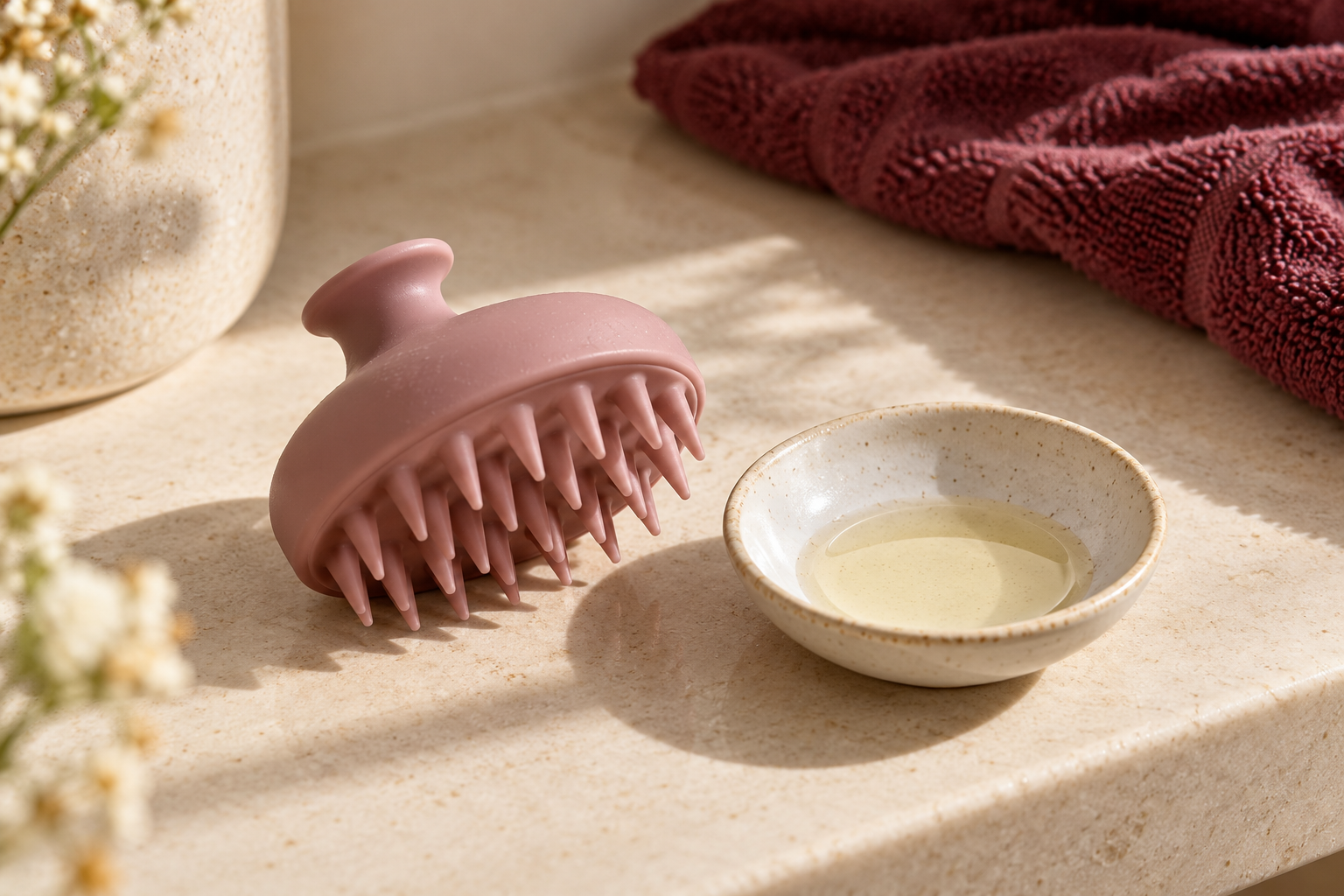
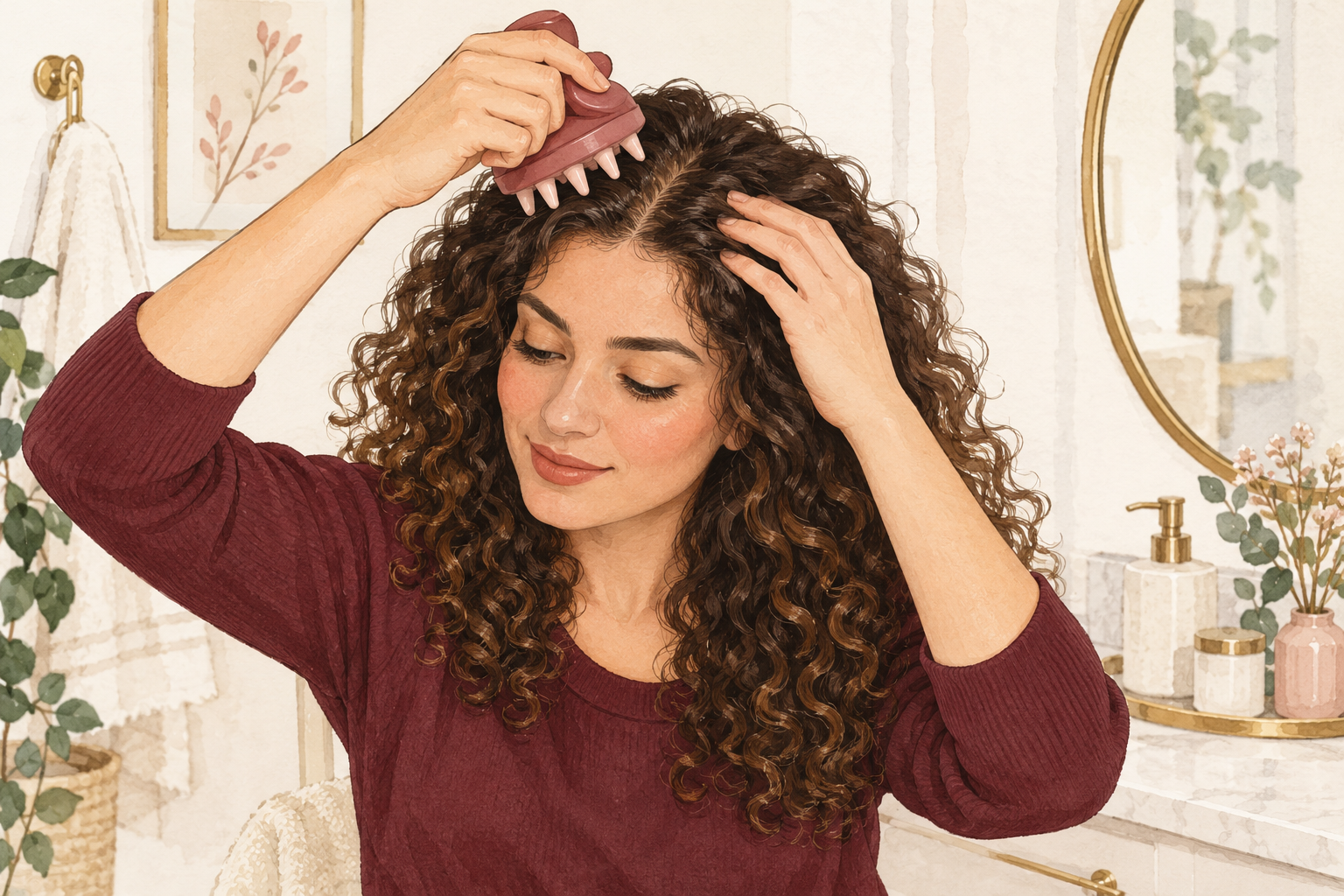
Before washing, some people massage a light oil into the scalp for a few minutes, or use a soft scalp brush on dry hair to lift buildup. This can make shampooing more effective, since the product and skin oils are loosened first. Use only a small amount of oil, and skip it if your scalp is oily or prone to breakouts. Always rinse and shampoo thoroughly afterward so nothing is left behind.
3. Check in on Scalp Comfort Regularly
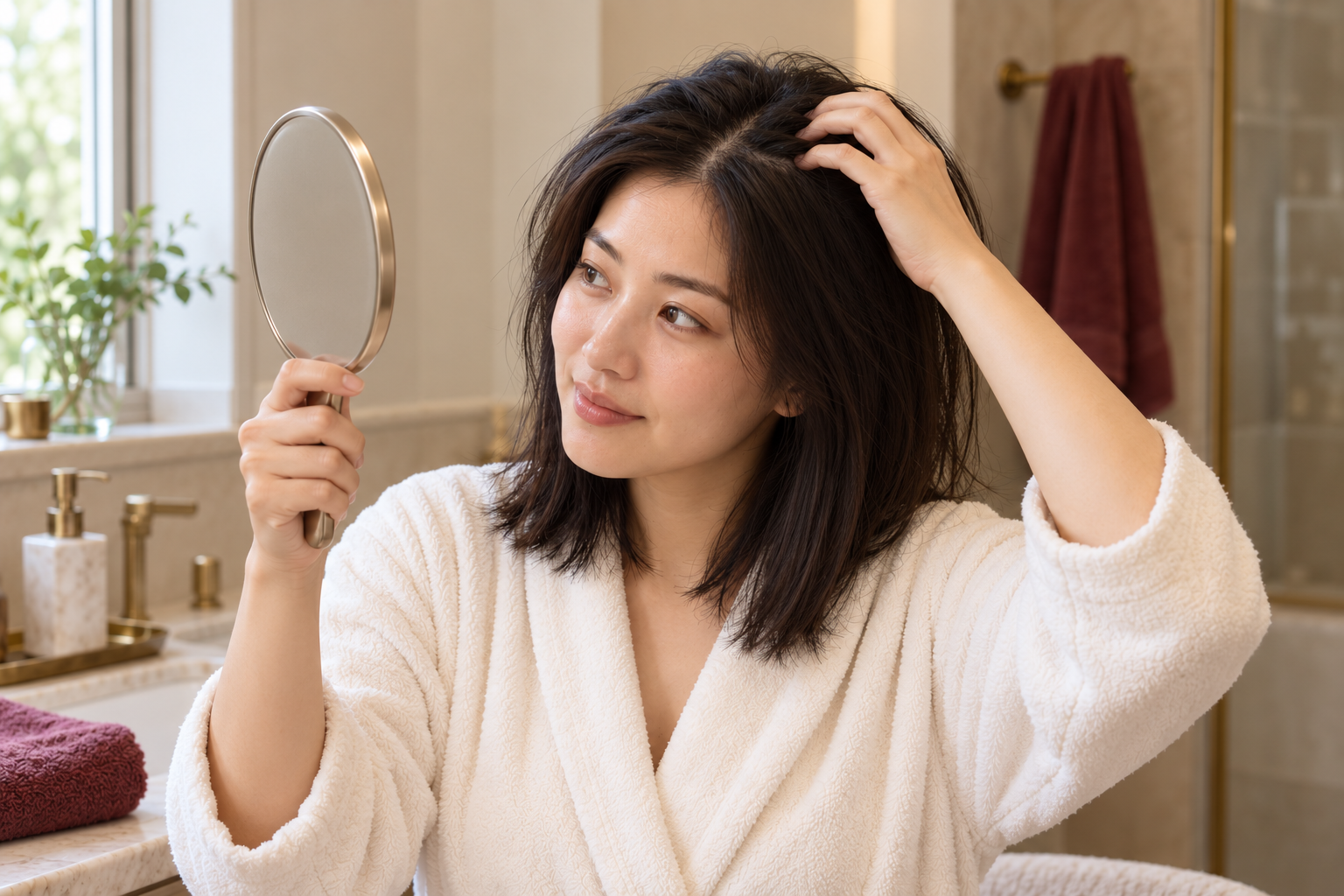
Pay attention to how your scalp feels, not just how your hair looks. Redness, flaking, tightness, and itching are all signals that something about your products or your washing needs to change. This habit of regular checking is a quiet strength of the routines people admire. If problems persist for more than a few weeks, ask a doctor or dermatologist, because some scalp conditions need proper treatment. Persistent flaking or hair loss deserves professional advice, not another product.
Wash Gently and Wash Well, the Japanese Hair Care Way
Technique matters more than the brand of shampoo. A calm, thorough wash protects your hair and cleans your scalp.
4. Build a Lather in Your Hands First
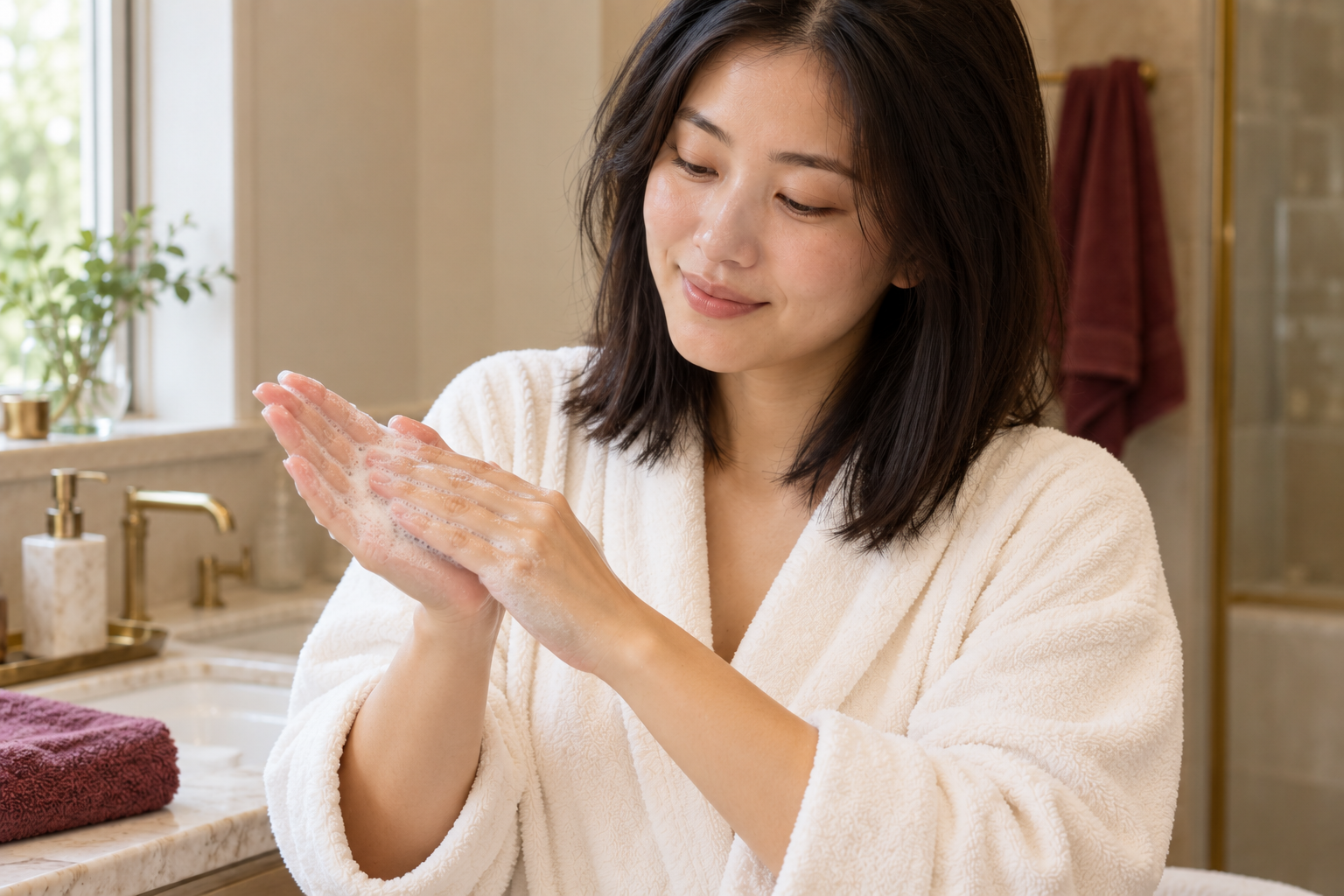
Rather than pouring shampoo straight onto your head, put a small amount in your palms with a little water and rub them together until it foams. Then massage the foam onto your scalp using your fingertips. This spreads the product evenly, uses less of it, and is gentler on the strands. Thick, concentrated shampoo applied directly can be harsh and uneven, especially on fine hair.
5. Rinse Longer Than Feels Necessary
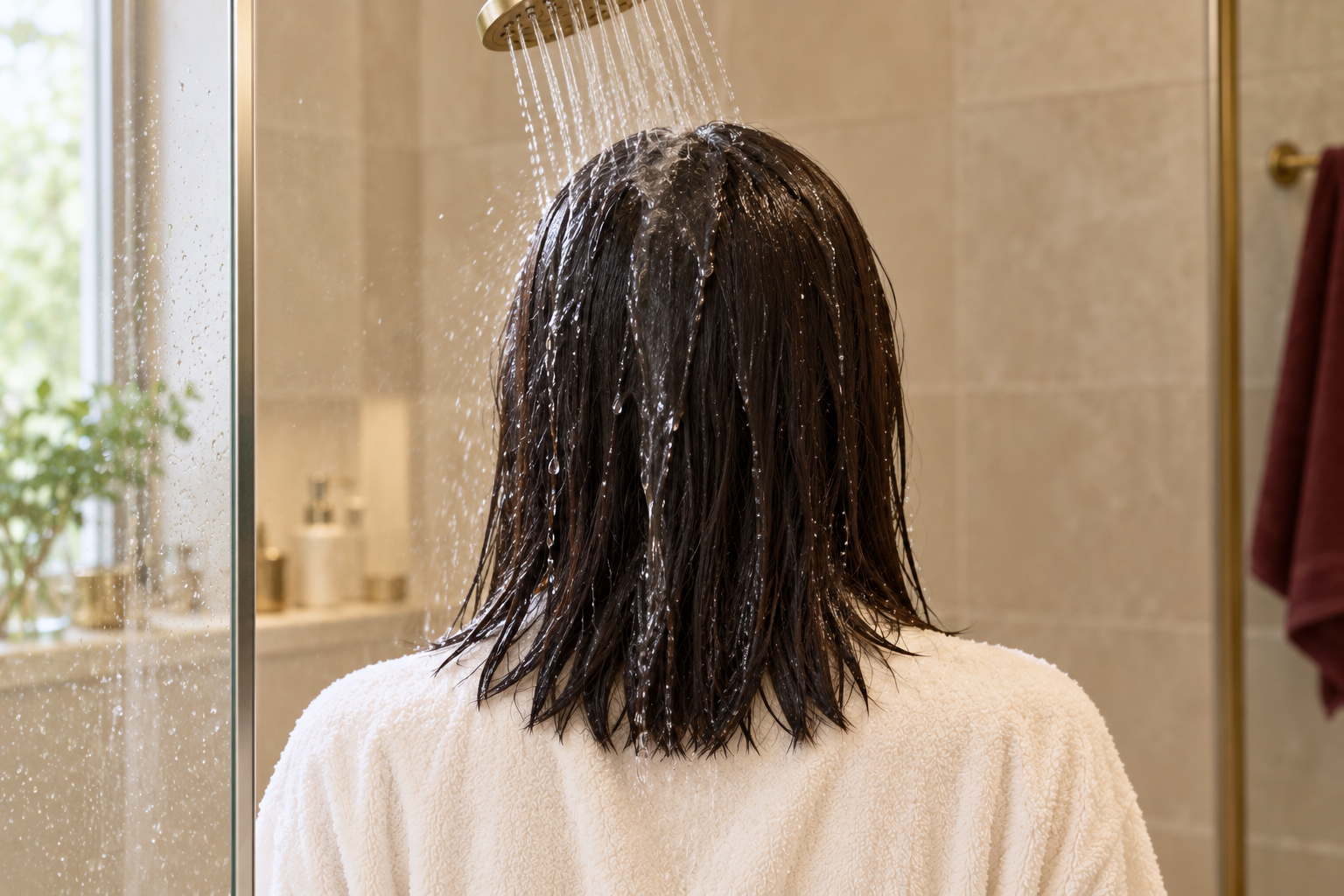
Spend a full minute or two rinsing, letting water run through the roots and down the lengths until no slippery feeling remains. Residue is a common cause of dullness, itching, and flakes. Use lukewarm water, since very hot water can leave the scalp tight and dry. Many people find that simply rinsing more thoroughly makes their hair feel lighter and cleaner within a couple of weeks. Rinsing is free, and it is one of the easiest habits to improve.
6. Condition the Lengths, Not the Roots
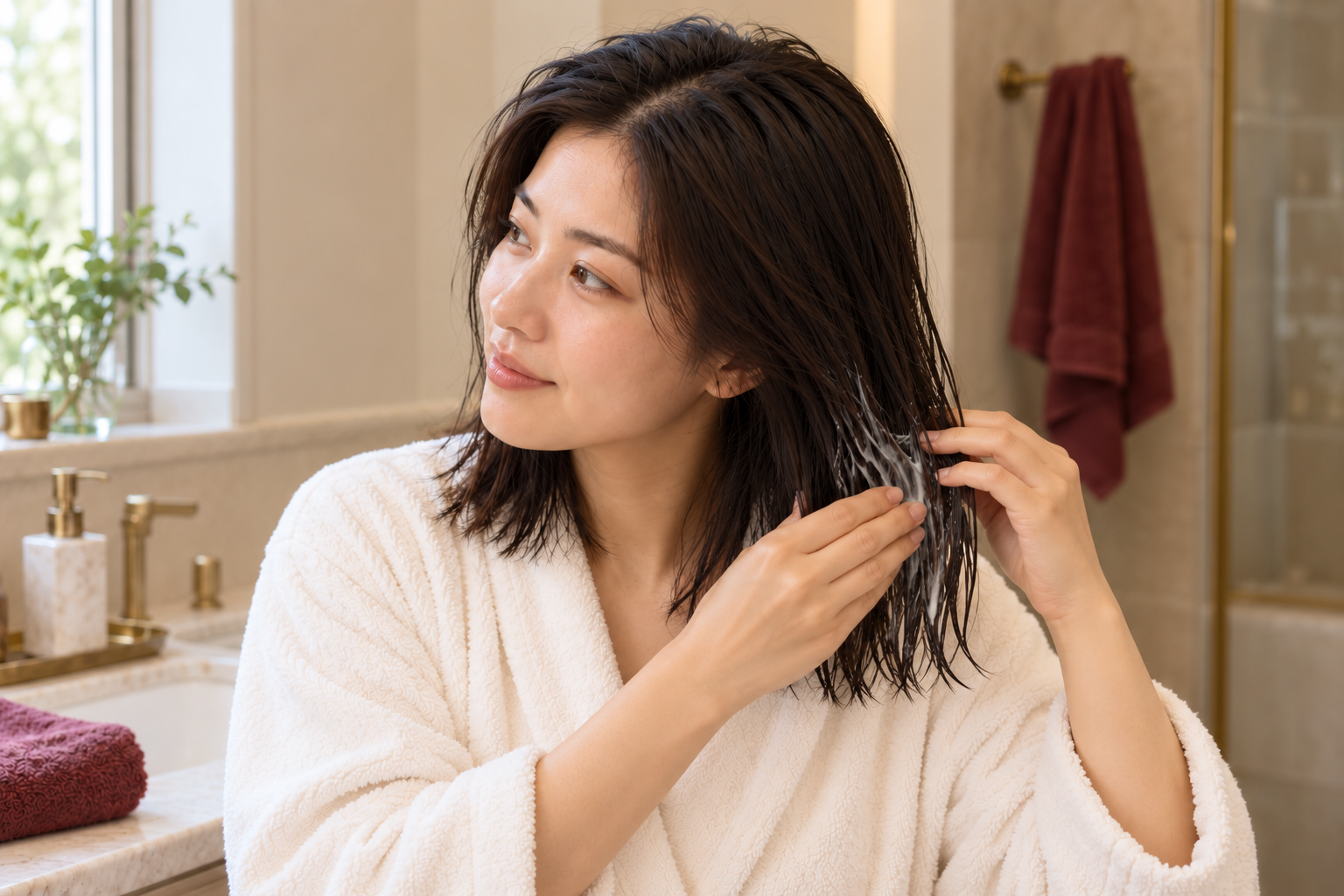
Apply conditioner or a treatment from the ears down, and keep it off your scalp unless it is made for that purpose. Comb it gently through the ends with your fingers or a wide tooth comb, and leave it on for a few minutes. Rinse thoroughly, and finish with a cooler rinse if you enjoy it. The goal is soft, smooth strands without a heavy, coated feeling at the roots.
Finish With Oil and the Right Comb
Two small items often appear in Japanese hair care routines. Both are inexpensive, and both reward gentle use.
7. Try a Few Drops of Camellia Oil
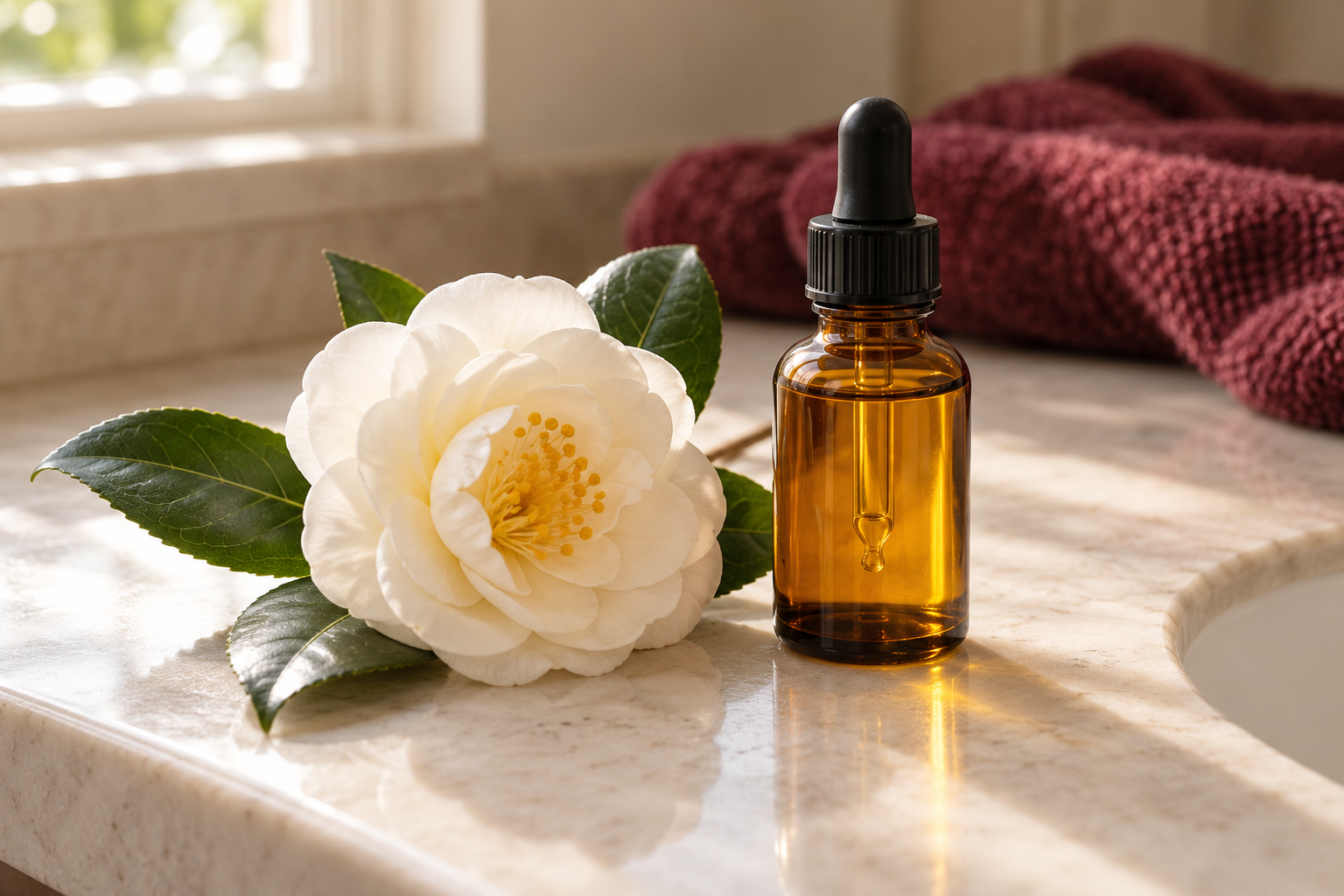
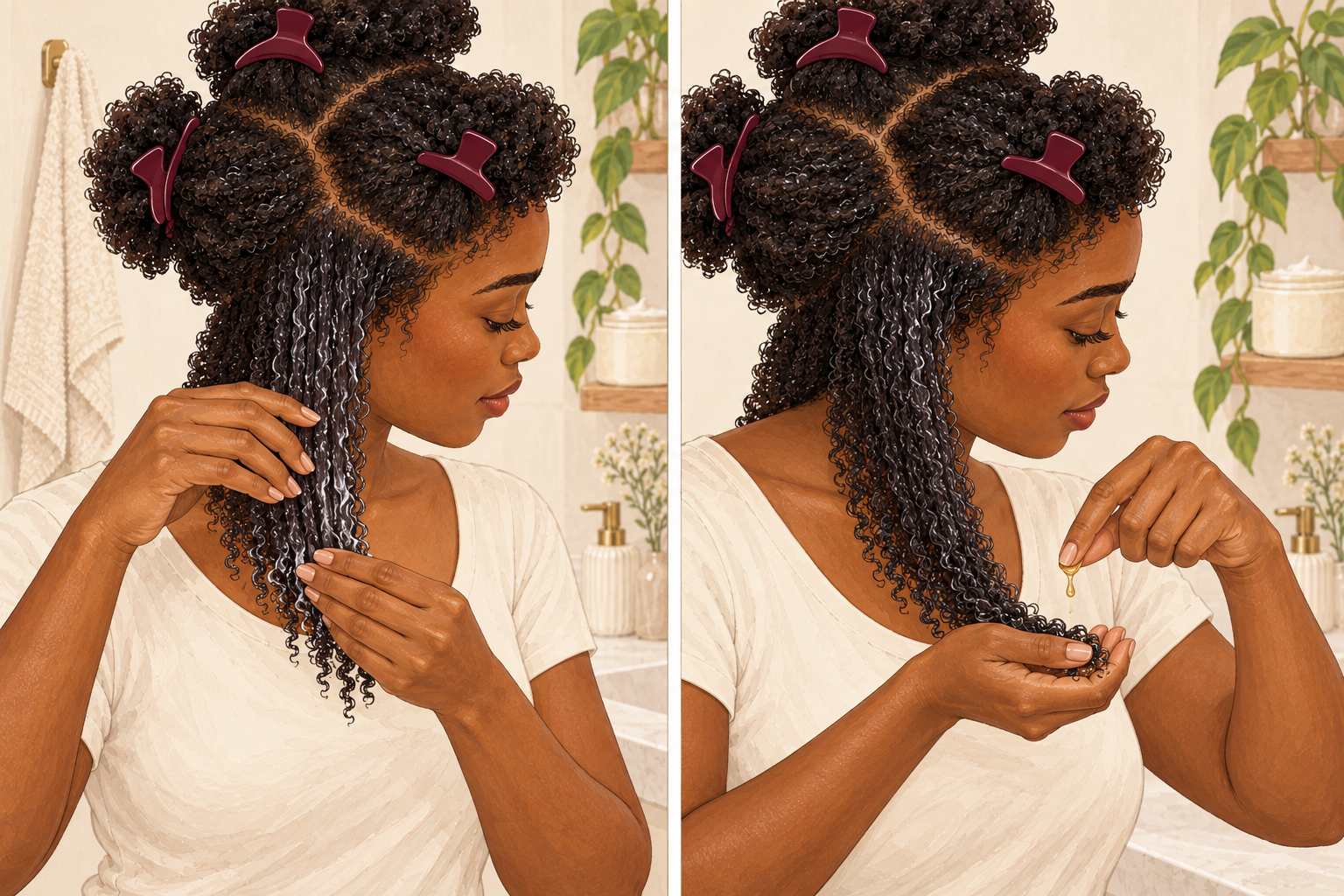
Camellia oil, called tsubaki oil, has a long history in Japanese hair care. It is a light oil that many people find smooths the ends and adds shine without feeling greasy. Use only a drop or two warmed between your palms, and apply it to dry ends or damp hair. Patch test first, and if you have fine hair, use even less. Over time you will learn how much your own ends can absorb. Other light oils can work in a similar way. If oils are new to you, hair care oils is worth a read before you pick a bottle.
8. Use a Smooth Wide Tooth Wooden Comb
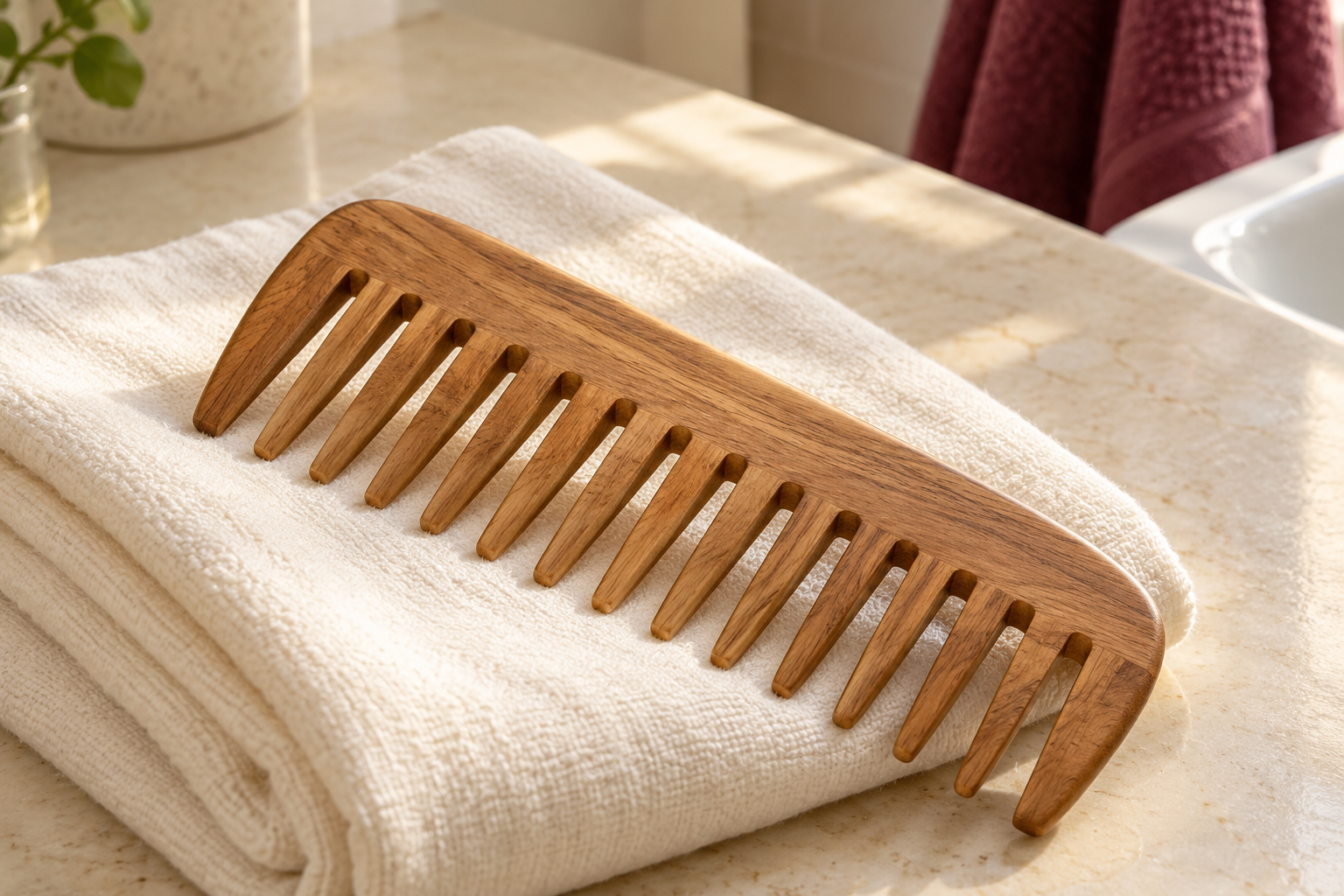
Boxwood and other wooden combs are popular in this style of care because their smooth teeth glide through hair with little snagging. A comb with no rough seams is gentler than many cheap plastic ones. Work from the ends upward, and be patient with knots. Take a minute for each section, and your ends will thank you. If a wooden comb is not available, any wide tooth comb with smooth teeth is a good substitute. Once your comb is sorted, hair care tools is a good next page to open.
Dry With Patience Like Japanese Hair Care Does
How hair dries affects how smooth it looks, which is why Japanese hair care takes drying slowly. A gentle approach to drying protects the cuticle.
9. Pat and Press Instead of Rubbing
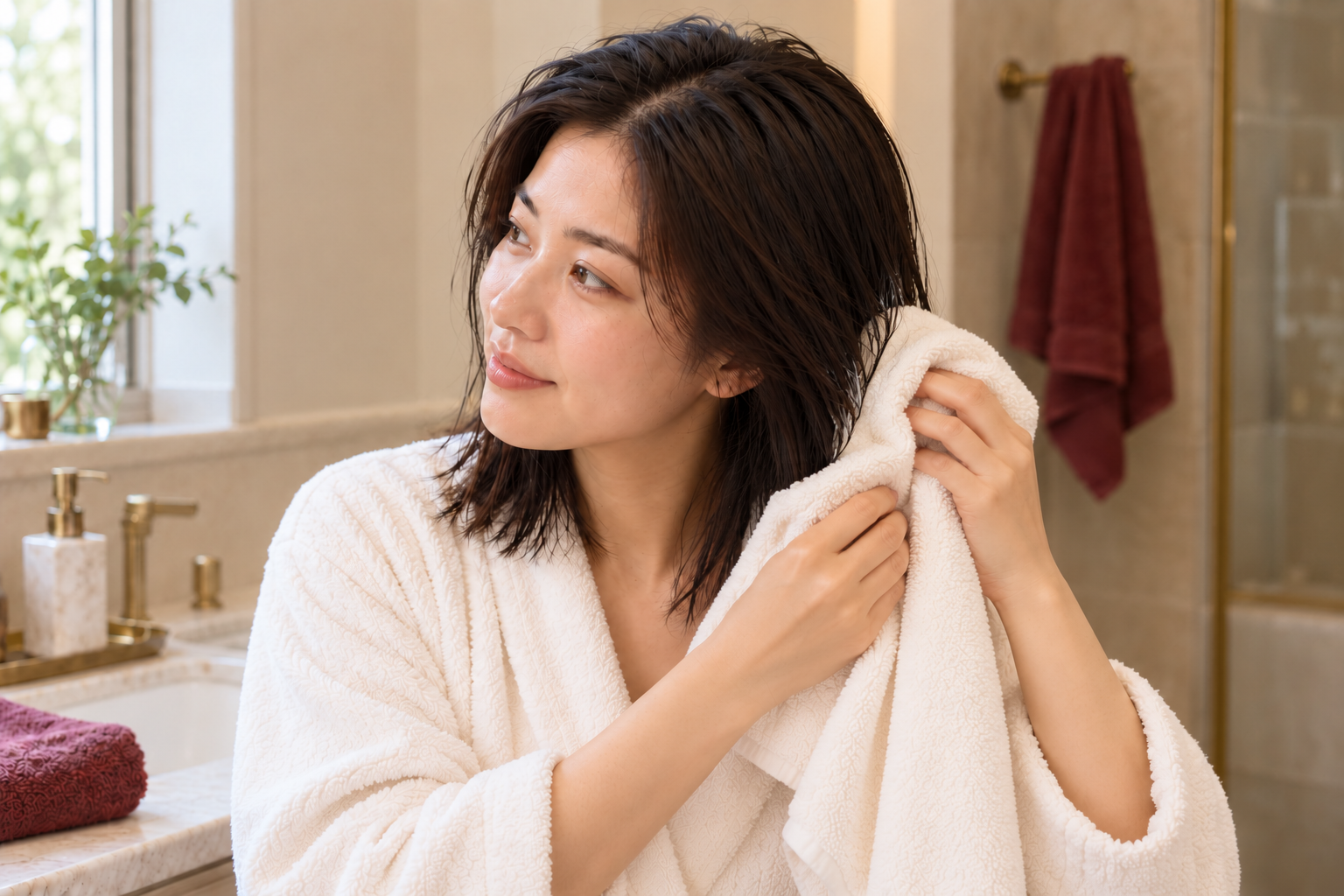
Wrap your hair in a soft towel and press to absorb water, rather than scrubbing back and forth. Rubbing roughens the surface and causes frizz and breakage. Wet hair is fragile, so avoid brushing it roughly. Let it rest in the towel for a few minutes, and then unwrap, comb gently, and move on to drying.
10. Dry From the Roots Down on Low Heat
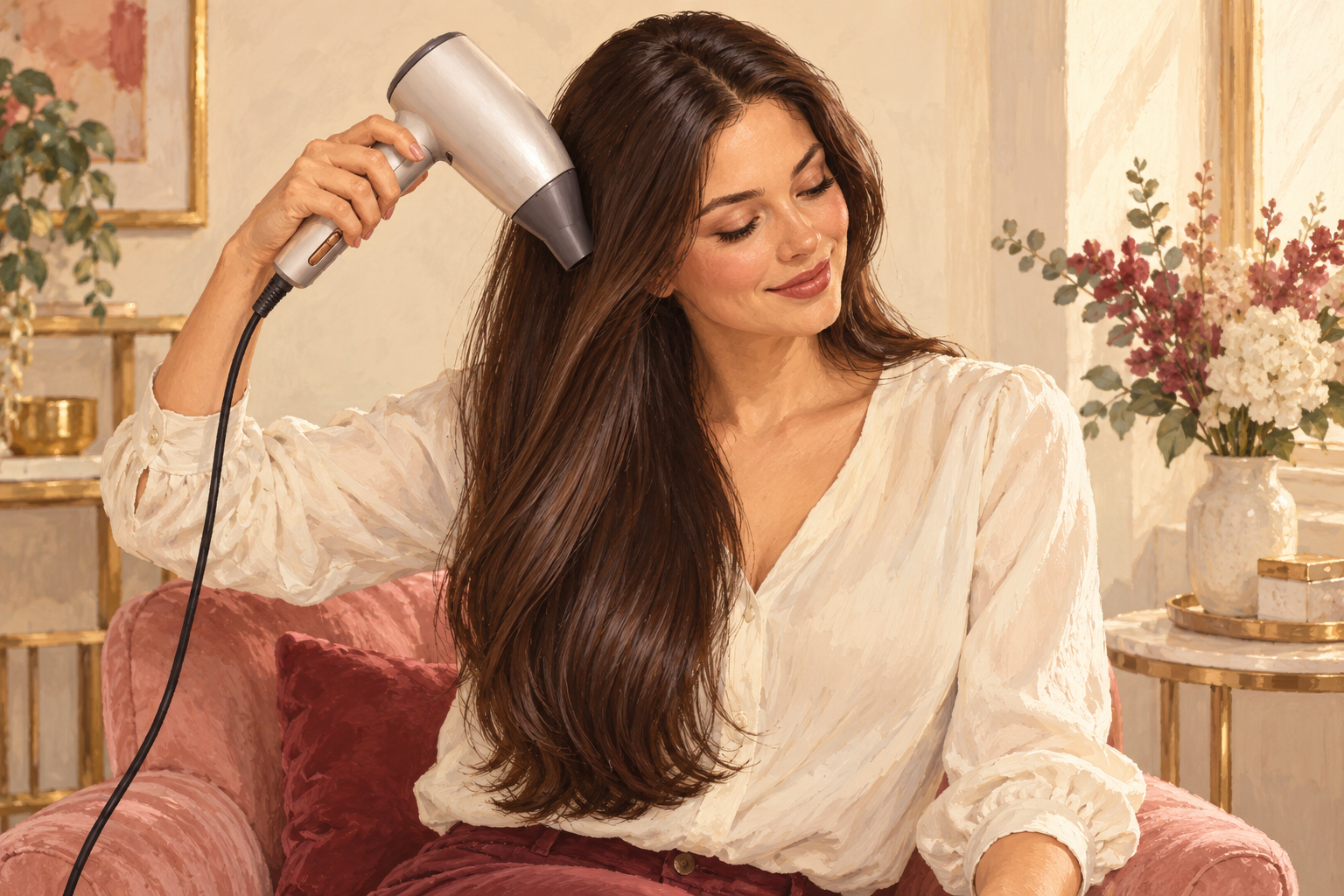
If you blow dry, start at the roots and point the nozzle down the length of the hair, which helps the cuticle lie flat. Keep the dryer moving, hold it at a distance, and use a medium or low heat setting with a protectant. Finish with a cool shot of air if your dryer has one. Stop when your hair is dry, and avoid overheating it. The goal is smooth, calm hair, not hair dried until it squeaks.
Calm Evening Rituals
A relaxed end to the day gives your hair a protected night. These habits cost almost nothing.
11. Wash at Night if It Suits Your Schedule

Many people prefer to wash in the evening, which gives hair time to dry before the next day. It also washes away pollution and product from the day. If you go to bed with wet hair, make sure it is mostly dry, since sleeping with damp hair can lead to tangles and a damp pillow. Choose what fits your life. If mornings are calmer for you, washing then works just as well.
12. Sleep in a Loose Braid on a Smooth Pillowcase

Tie your hair loosely in a braid or low twist, and sleep on a silk or satin pillowcase to reduce friction. This keeps your lengths from tangling overnight and protects the ends. Avoid tight elastic bands, which can dent and snap strands. Your morning routine will be quicker, and your hair will look smoother when you wake up. Consistency matters here, since the benefit builds over weeks.
Complete the Routine: More Japanese Hair Care Support
Try the Japanese hair care scalp massage tonight, and let the rest follow when you are ready. The American Academy of Dermatology page on tips for healthy hair is a good cross check for any routine you borrow. Borrowing habits works best a little at a time, so choose one guide below to read next and let your routine grow from there.