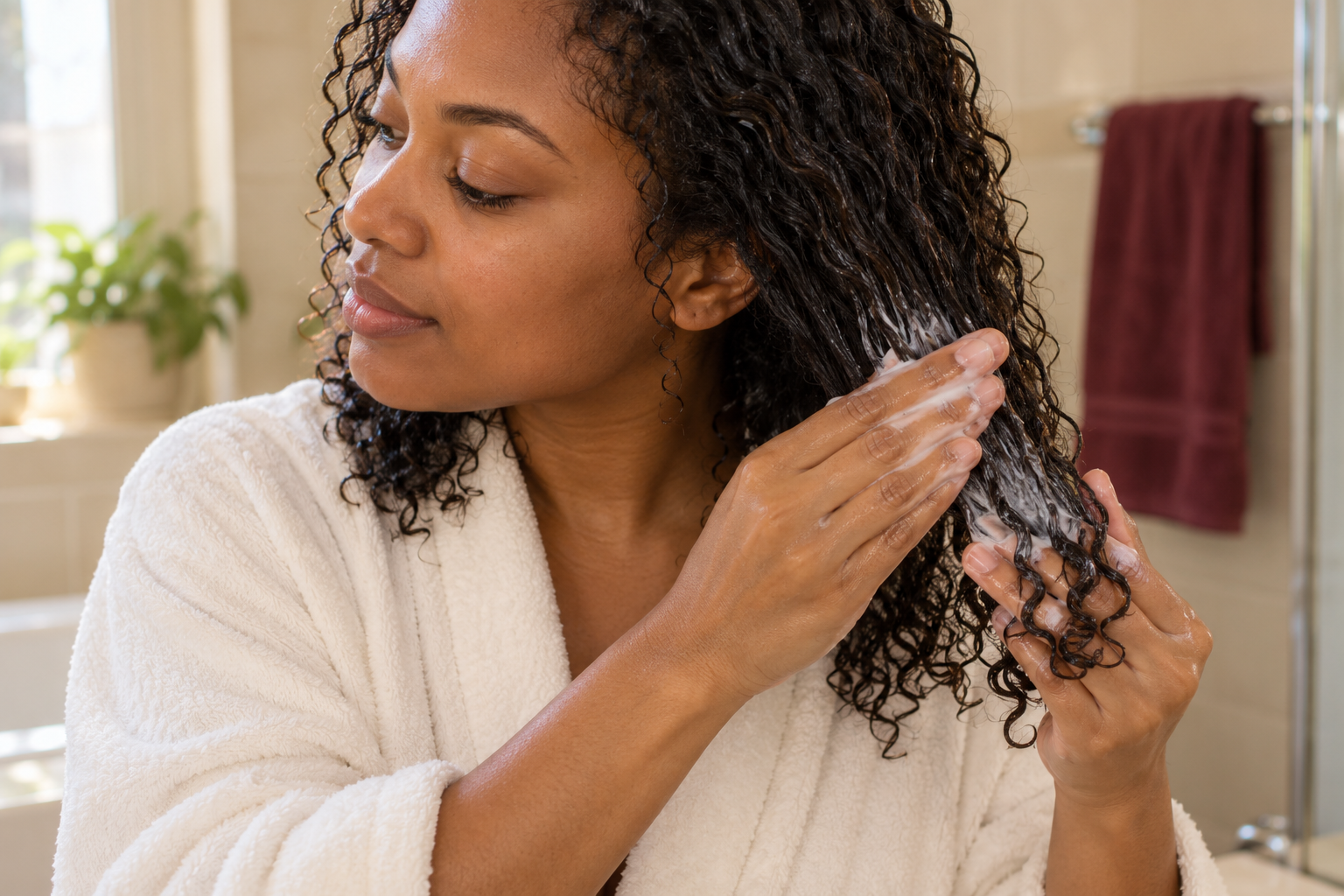
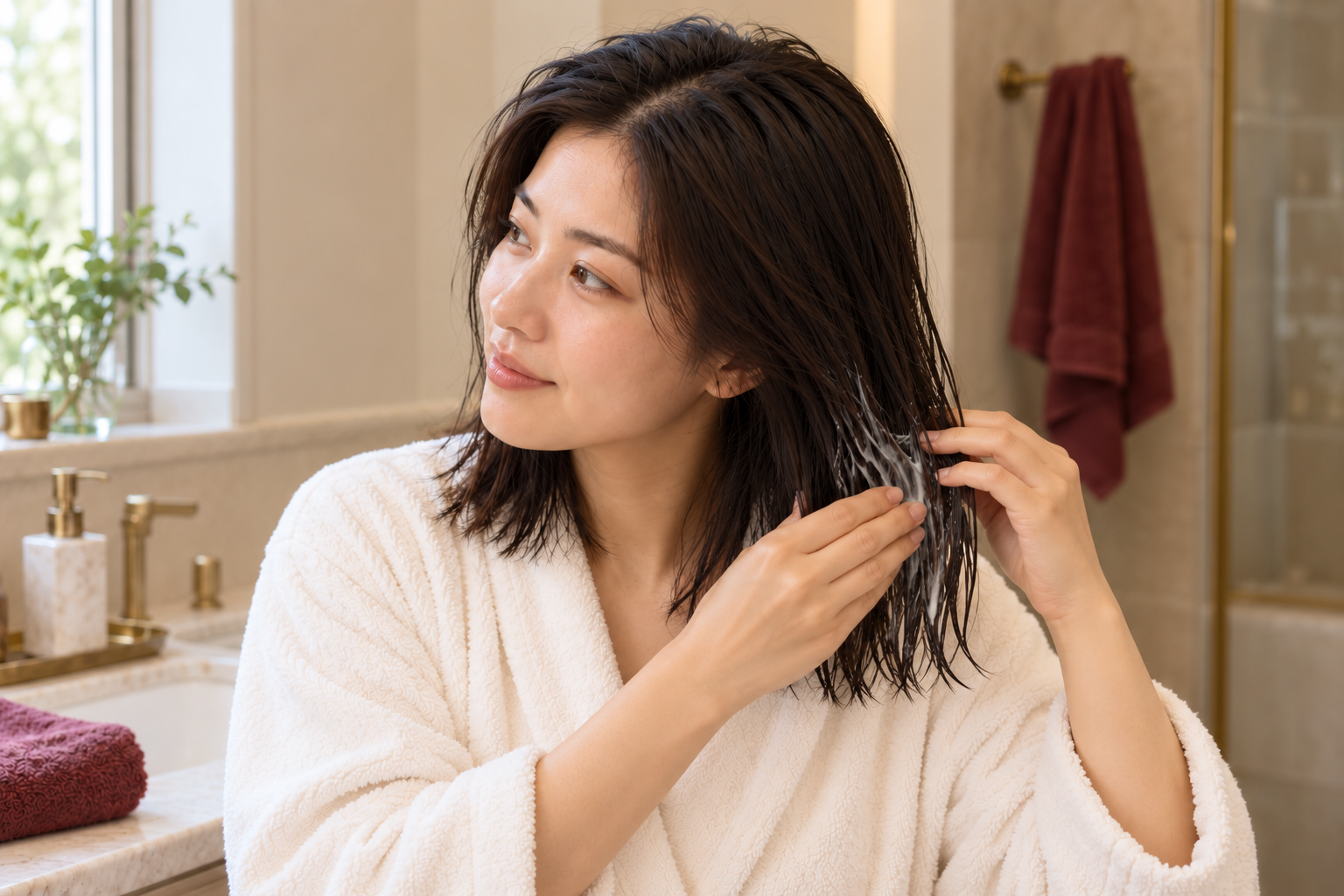
You wash it, oil it, try the new bottle everyone is talking about, and your hair still feels rough and tired. Usually the trouble is not what you are missing, it is a few small habits quietly working against you. These 12 hair care tips fix them in order of what matters most, so start at number one tonight.
1. Wash the scalp and let the suds do the rest
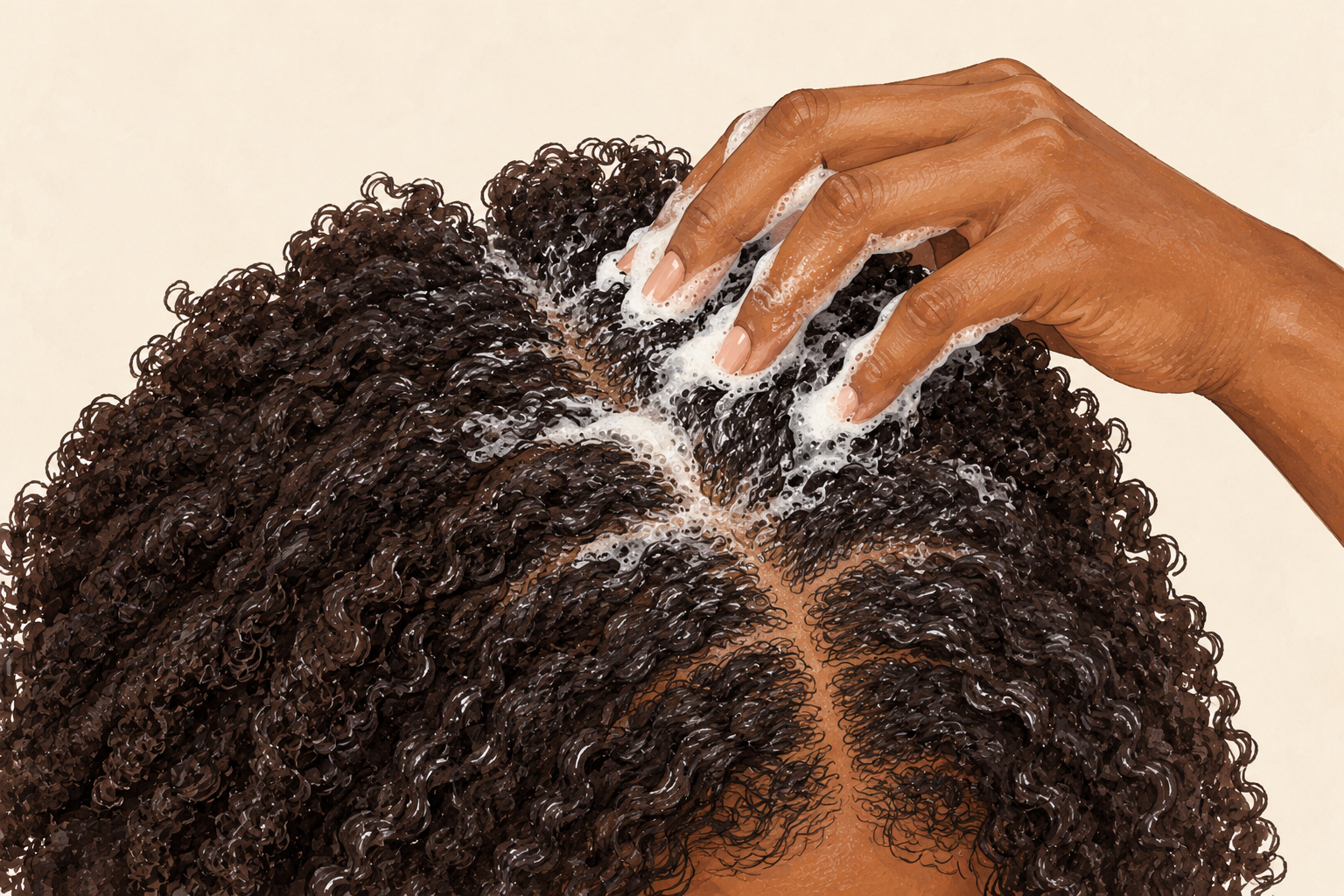
Put shampoo on your roots only, and massage for a full minute with your fingertips. Your scalp is where the oil and sweat gather, so that is the part that needs cleaning. When you rinse, the suds slide down the lengths and clean them gently on the way, so you never need to scrub the ends. Scrubbing the ends with shampoo leaves them rough and dry. Use a coin sized amount for short hair and a little more for long hair. Rinse until the water runs clear and your scalp feels light. It sounds too simple to matter, but it changes how the rest of your hair feels.
2. Find your own wash rhythm
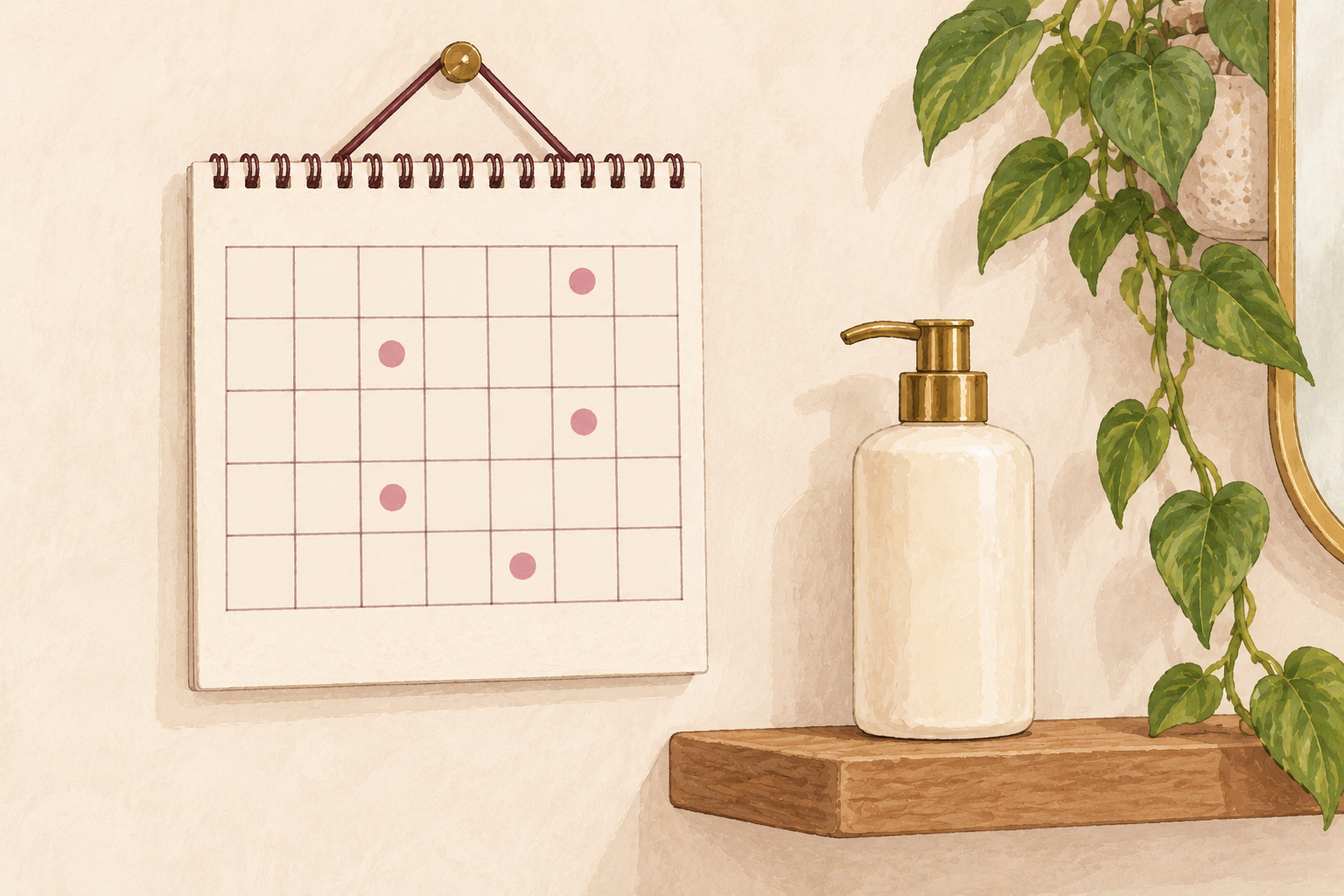
Match your wash days to your scalp, not to what your cousin does. Oily roots usually want a wash every two or three days. Dry or tightly coiled hair is often happier with a wash once a week, sometimes less. Try a pattern for three weeks and see how your hair feels on day two and day four. If your scalp itches or looks flaky, wash sooner. If your ends feel rough and straw like, wash less. Sweat from workouts counts too, so rinse your scalp with water on those days. There is no rule that fits everyone, and your hair will tell you the right answer.
3. Skip the scalding water
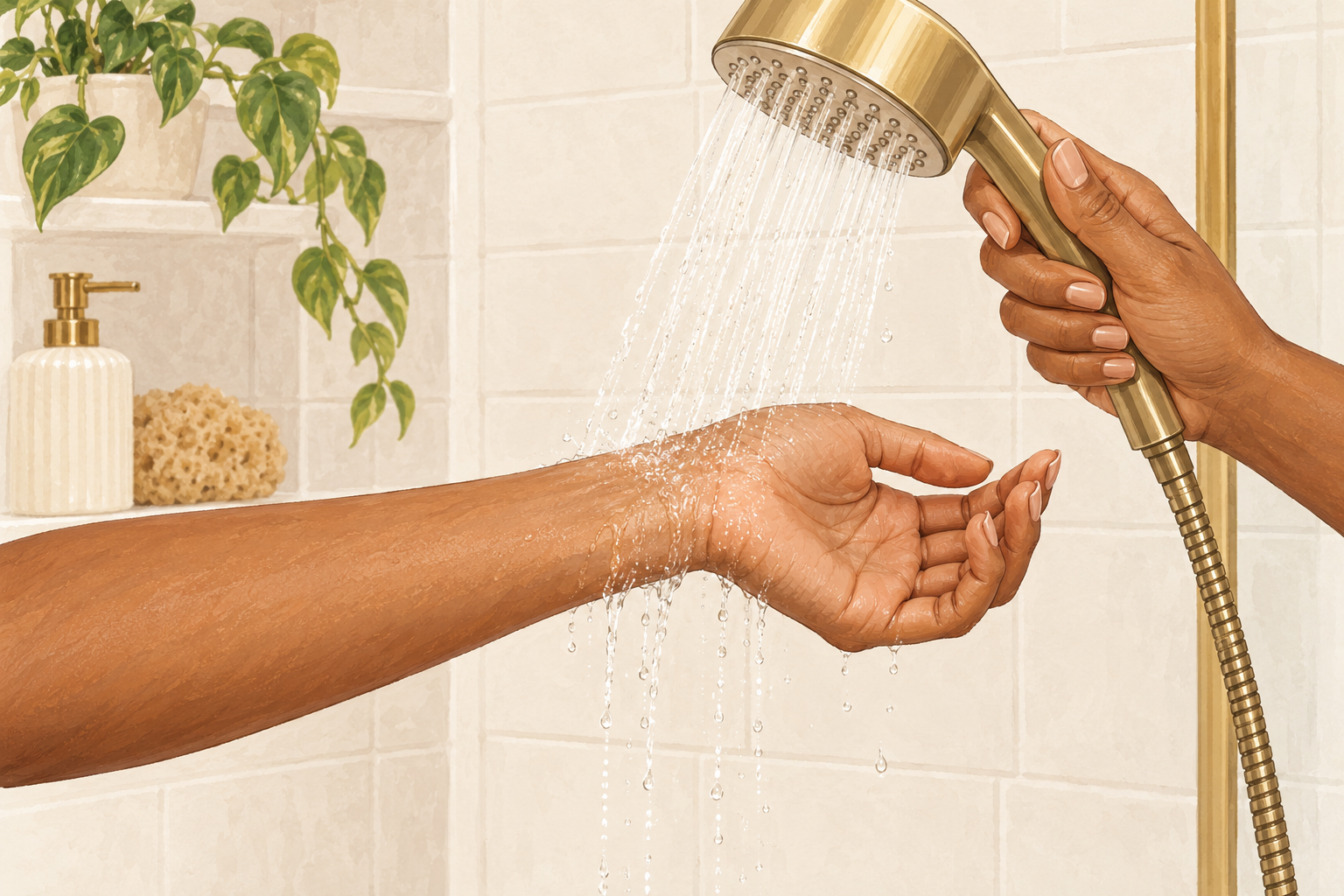
Wash with lukewarm water, then finish with a cooler rinse for the last thirty seconds. Very hot water strips the natural oil from your scalp and roughens the outer layer of each strand. Your scalp may respond by making more oil, which has you washing sooner. Test the water on your inner wrist first, because it should feel pleasantly warm, never sharp. The cooler finish helps your hair lie smooth and look shinier. If you love a hot shower, keep your head out of the spray until it is time to wash. This costs you nothing and often cuts frizz within a week or two.
4. Keep conditioner away from your roots
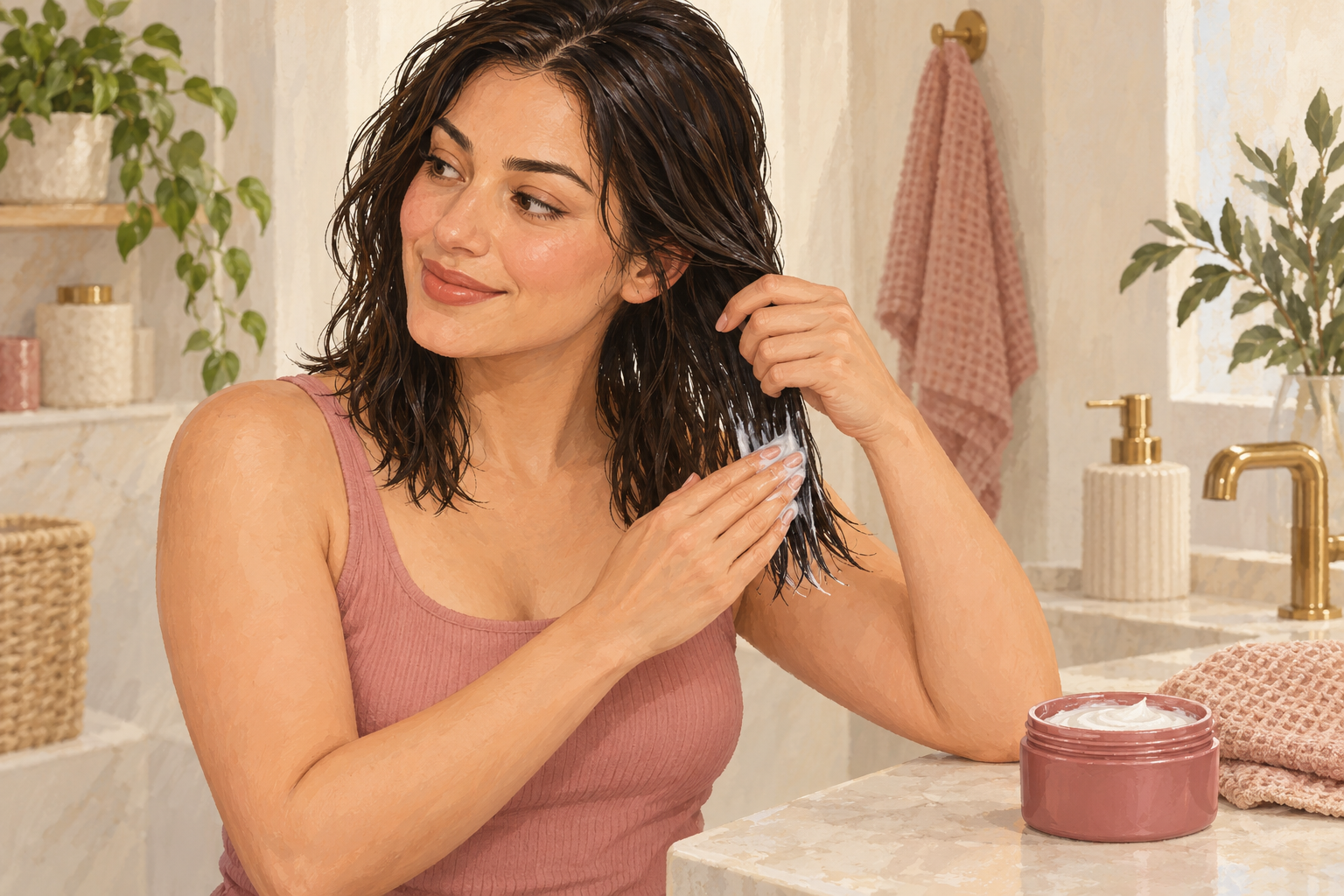
Start conditioner at ear level and work it down to the ends. The roots make their own oil, and extra conditioner up there makes hair limp by lunchtime. Your ends are the oldest, driest part, so that is where the soft stuff belongs. Use a palm full for shoulder length hair, then comb it through with your fingers. Leave it on for two to three minutes, and rinse until your hair feels slippery but not coated. If your hair is very short, a pea sized amount is enough. Flat roots and dry ends at the same time usually mean the conditioner is in the wrong place.
5. Make time for a weekly deep conditioner
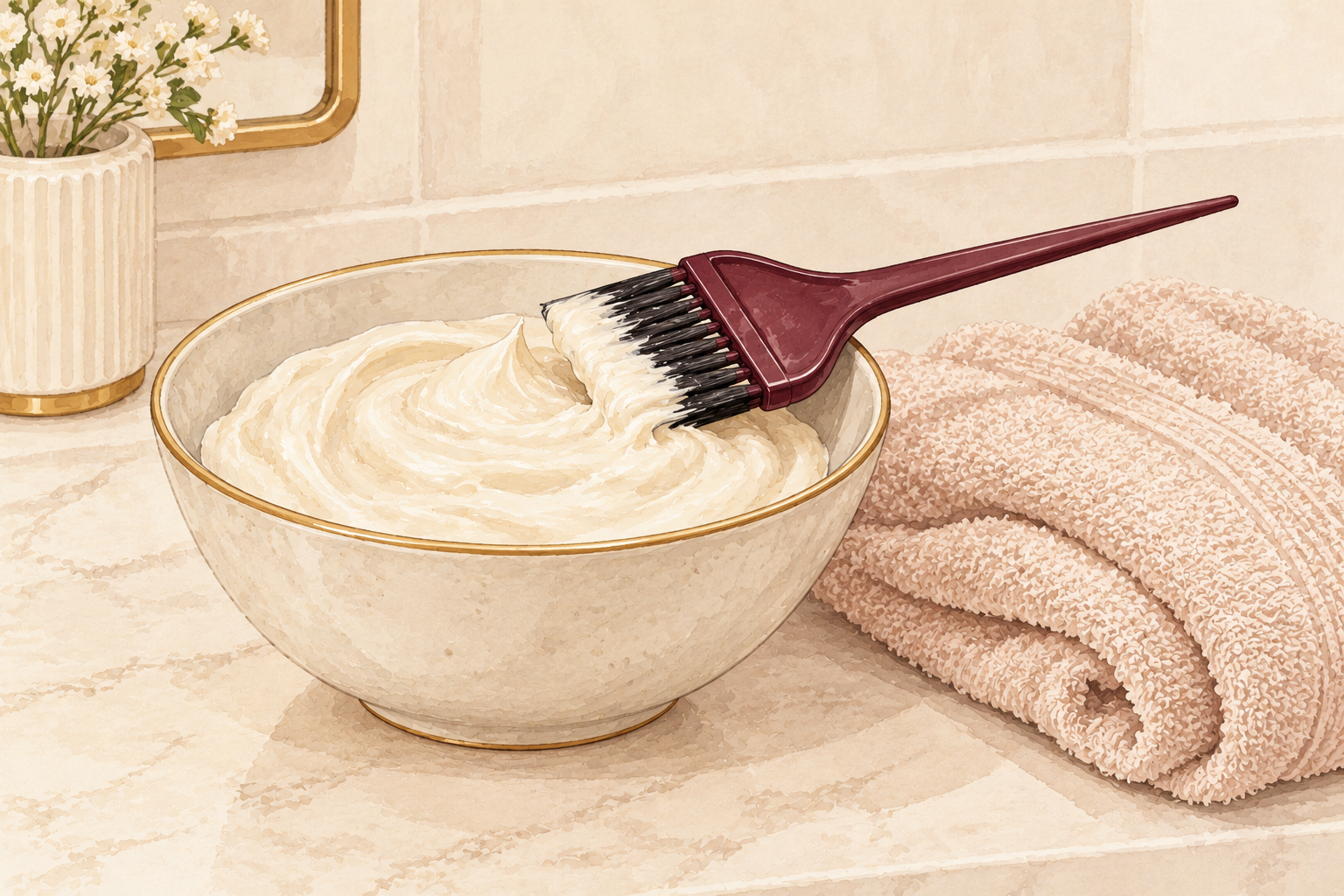
Leave a rich hair mask on for ten to twenty minutes once a week. A regular conditioner smooths the surface, while a mask goes deeper and refills what hot tools and sun took out. Wrap your hair in a warm towel so the mask soaks in better. Choose a thick creamy one if your hair is dry, and a lighter one if it is fine. Sit with a show or a podcast so the time passes easily. Rinse well afterward. After a few weeks your hair holds a curl or a straight line better, and it tangles far less on a normal day.
6. Detangle with conditioner in your hair
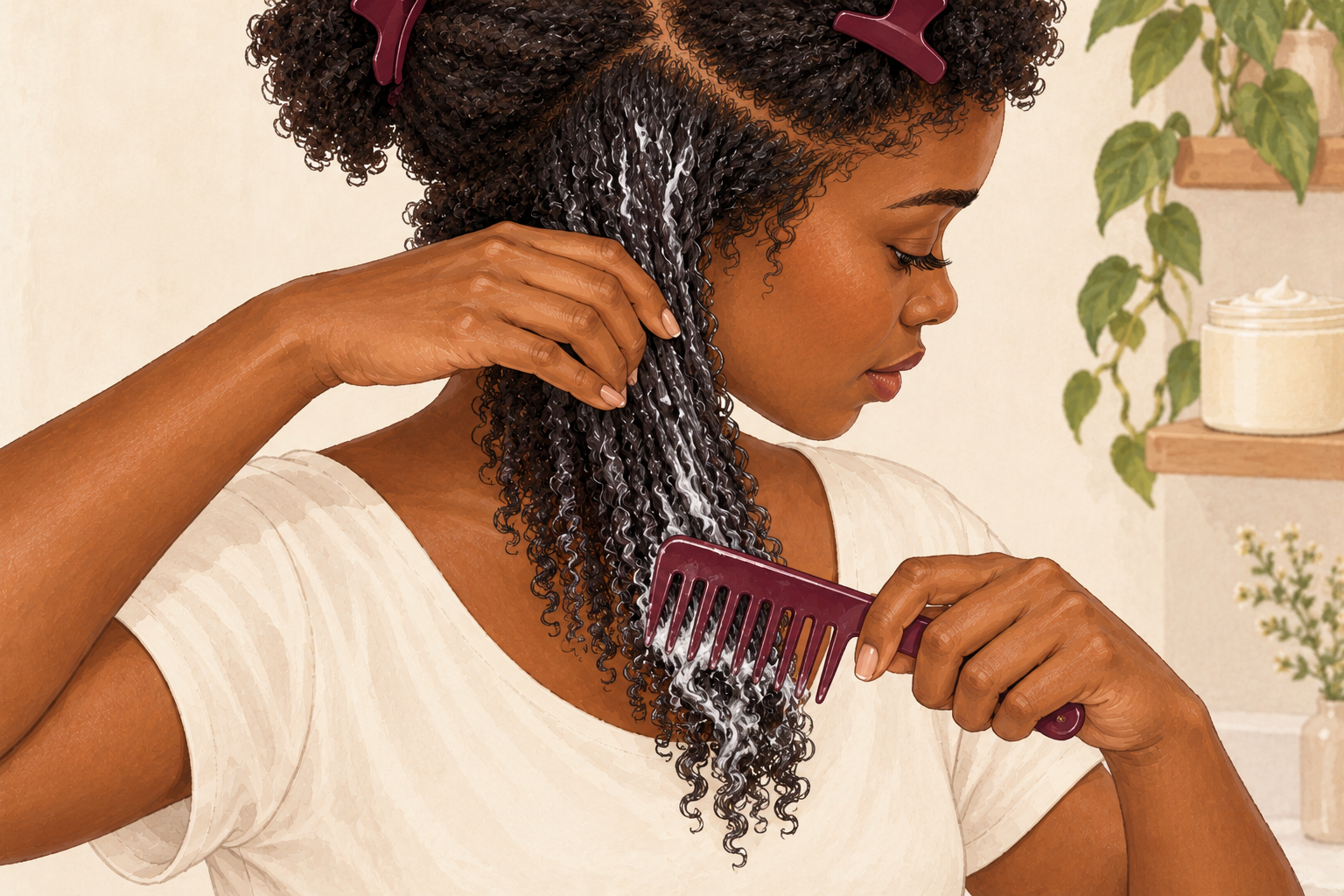
Comb through your hair while the conditioner is still in, starting from the ends. Wet hair is at its weakest, so combing it dry or soaking and bare is how strands snap. The conditioner gives the comb slip, and the tangles slide apart instead of tearing. Work in four sections, holding each one above the knot. Use a wide tooth comb or your fingers, and stop to loosen any stubborn knot by hand. Notice how little hair ends up in the comb when you do it this way. A gentle detangle takes five minutes and saves a lot of lost length.
7. Respect heat and protect your hair
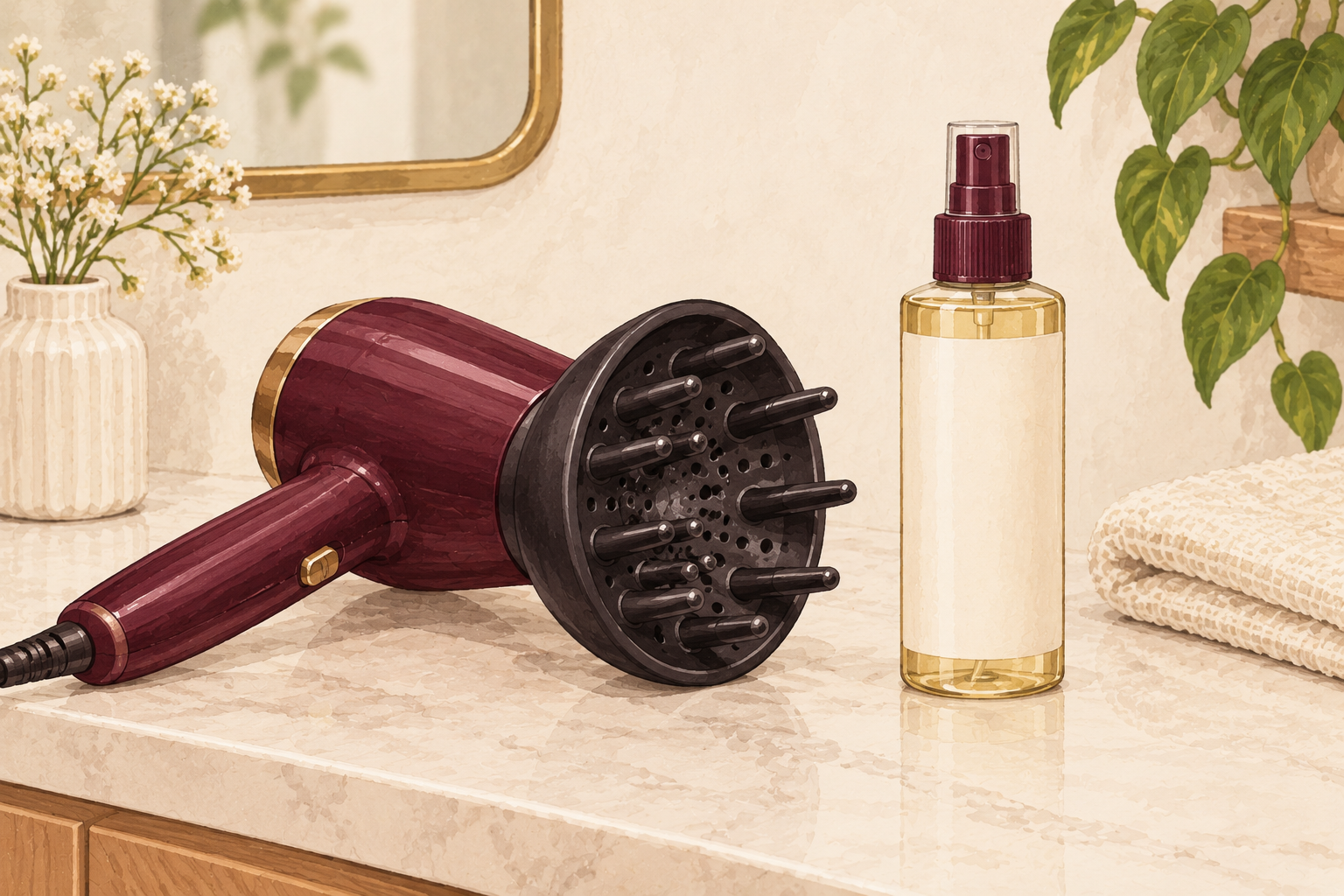
Spray a heat protectant on damp hair before any hot tool and keep the dial on medium. Most people set irons too high because it feels faster. Hot tools above about 180 degrees Celsius start to cook the strand, leaving it dull and brittle. Let your hair dry most of the way first, since pressing wet hair with a hot plate is the worst combination. Go once over each section instead of five times. Use heat once or twice a week at most, and give your hair a heat free day after each style. Pulling an iron through a tangle snaps hair, so comb it smooth first.
8. Swap rough tools for gentle ones
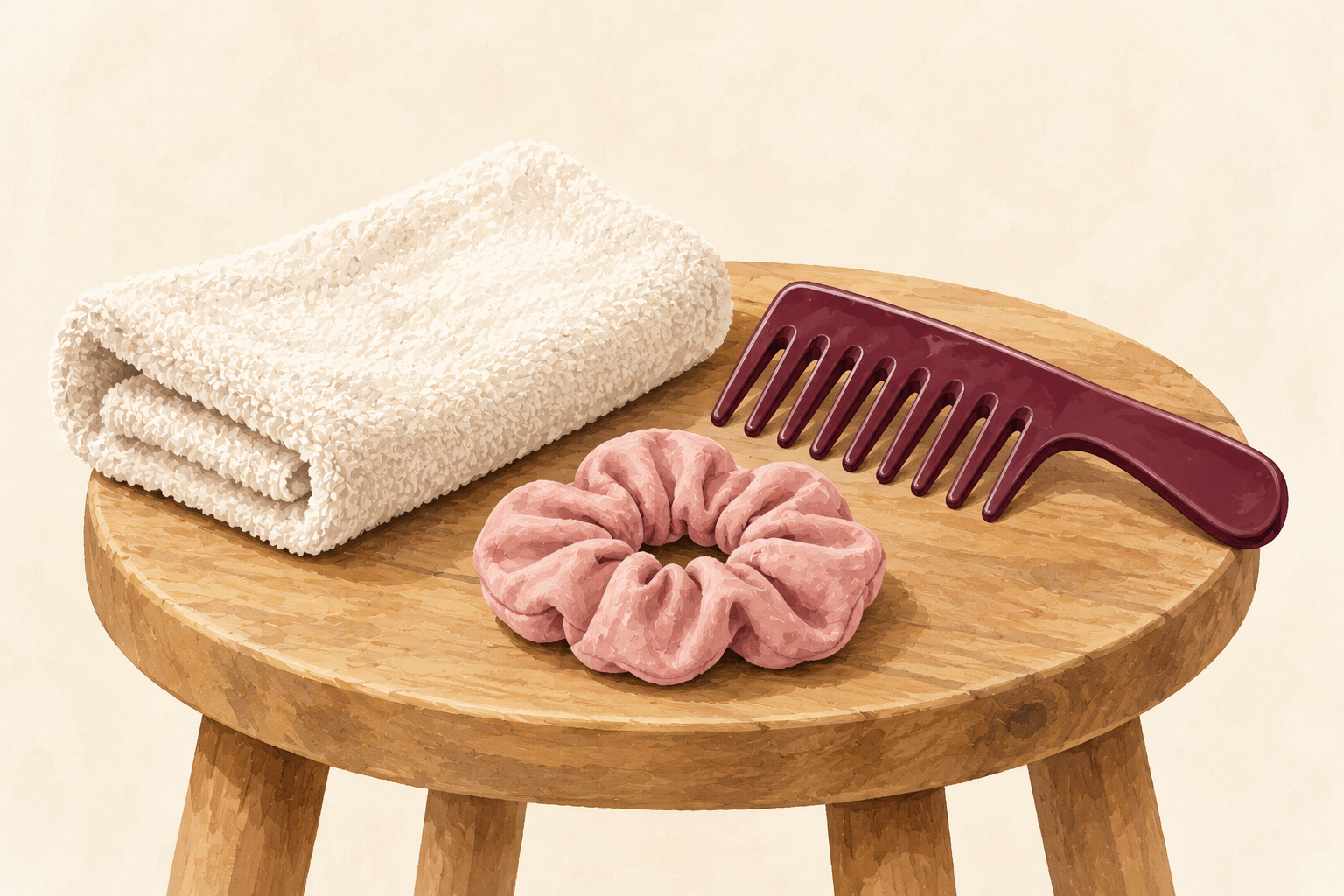
Pat your hair with a soft old t shirt or a microfiber towel instead of rubbing it. A rough towel lifts the outer layer and leaves frizz behind. Trade thin elastics with metal bits for fabric scrunchies, and use a brush with flexible bristles. Check your tools for snags by running your finger along the teeth. A cracked comb catches strands every time. Replace anything with a rough edge. When you pull your hair out of a bun, take the elastic out slowly rather than yanking it. These tiny swaps cost very little, and you may notice fewer tiny broken pieces on your clothes.
9. Protect your hair while you sleep
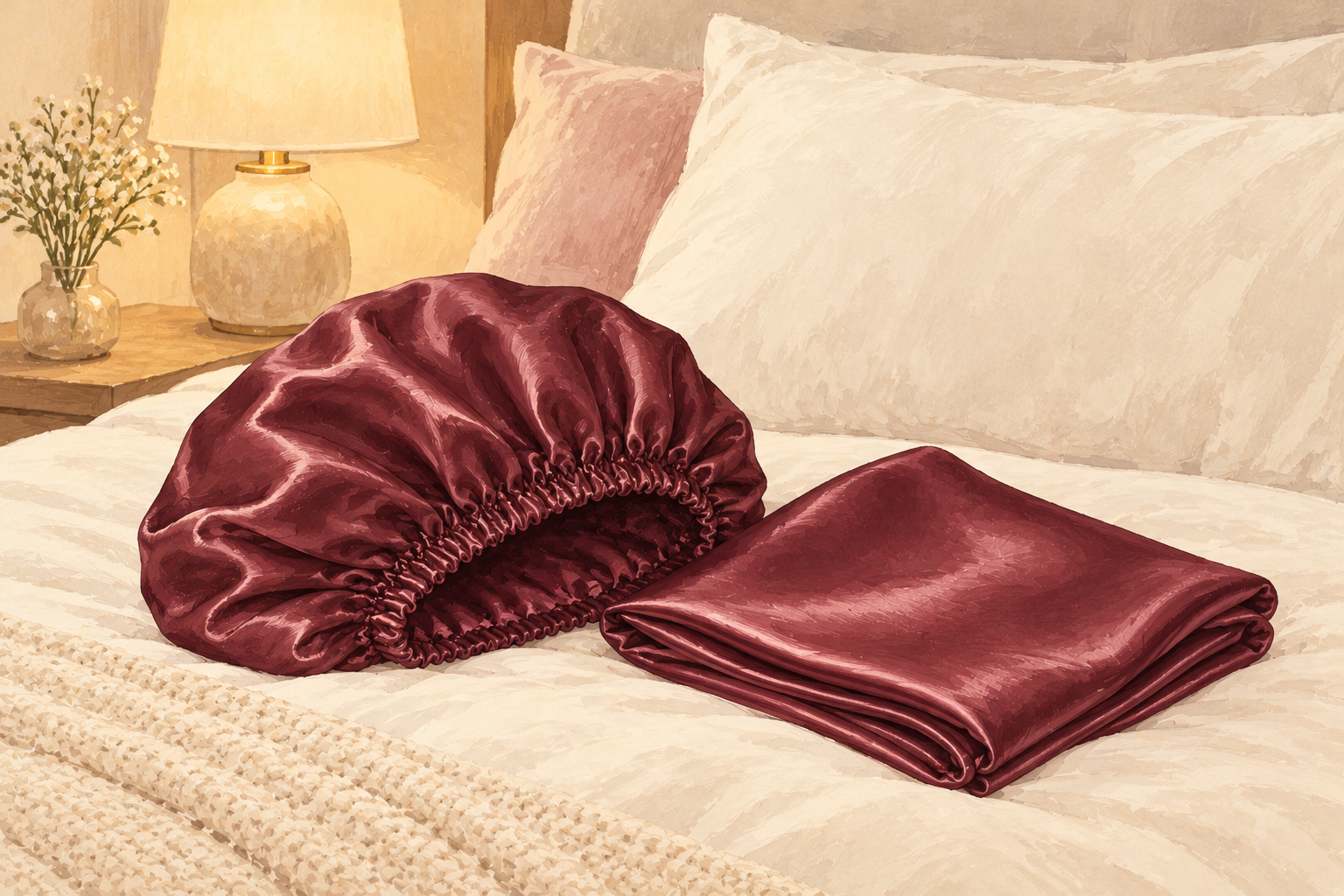
Cover your hair with a satin bonnet or sleep on a satin pillowcase. Cotton soaks up moisture and rubs against your strands all night. You wake with frizz, tangles and a dull, thirsty feeling. Before you cover it, gather long hair into a loose braid or a loose bun on top of your head. Do not tie it tight, since tension at night pulls on the hairline. If a bonnet slides off, try a satin scarf tied loosely. After two weeks you may find mornings easier, with less frizz to fight and fewer knots to comb out.
10. Go loose with everyday styles
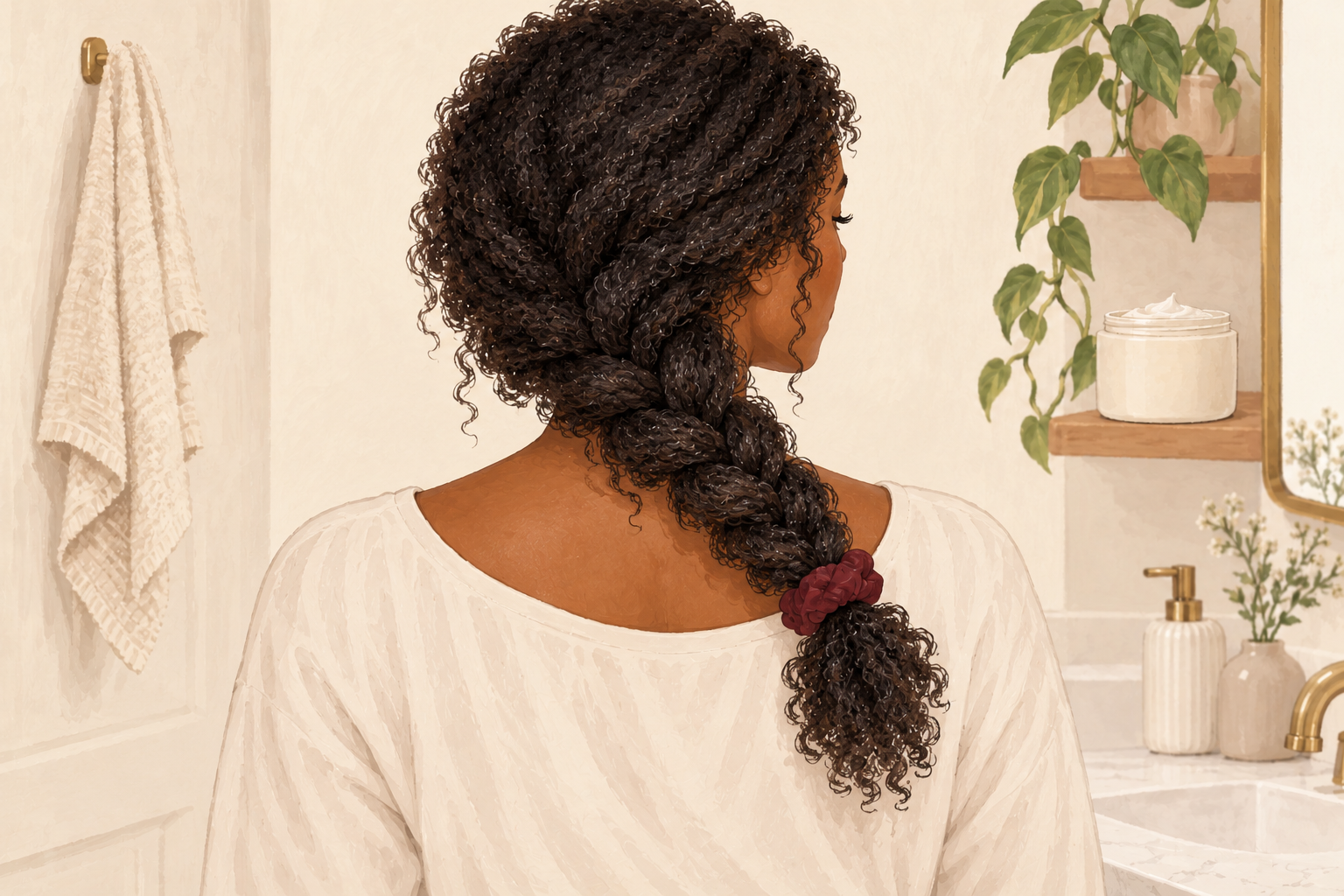
Pick styles that you can forget about, such as a loose braid, a low bun or a half up style. A tight ponytail every day pulls on the same hairs until they thin and break. If you feel a headache or sore bumps along the hairline, the style is too tight. Move your parting or ponytail spot every few days. Let your hair down at home when you can. Wear your tight styles for special days and give your scalp a rest. Soft styles do not make your hair grow faster, but they do stop you losing the length you already have. Styles that let your hair rest pair naturally with hair fall control tips for the next step.
11. Give changes time and keep photos
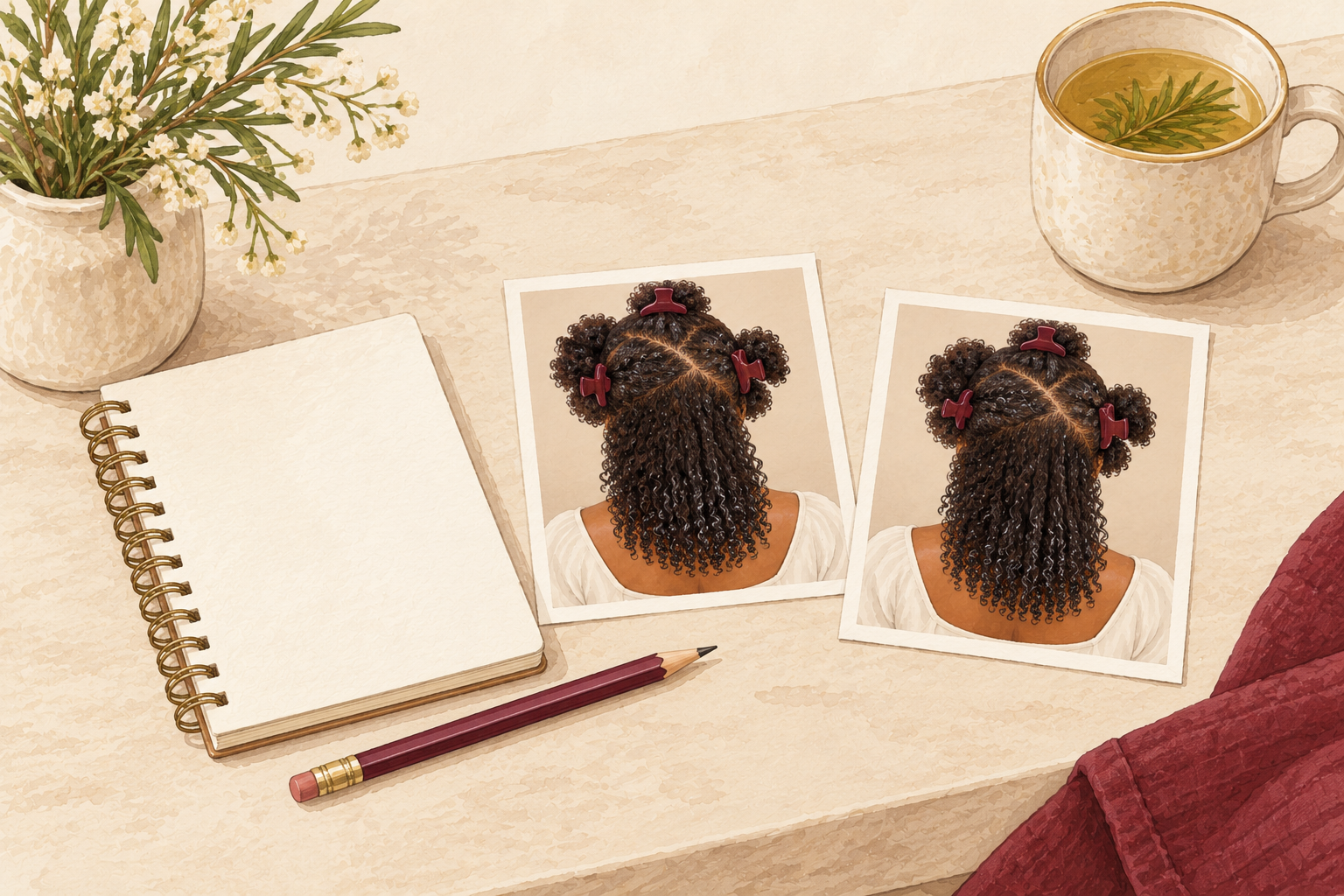
Change one thing at a time and give it four to six weeks. Hair grows about a centimeter a month, so nothing dramatic happens in a week. Take a photo on day one and another every month, in the same light and from the same angle. If you change five things at once, you will never know which one worked. Write down the date you started each habit. Some changes, like less frizz, show up quickly. Others, like length kept, show up slowly. The photos stop you from quitting too soon, and they remind you how far your hair has come. Photos help you stay patient, and hair care tips for growth is a good next read if you want the full plan.
12. Buy less and use what you have
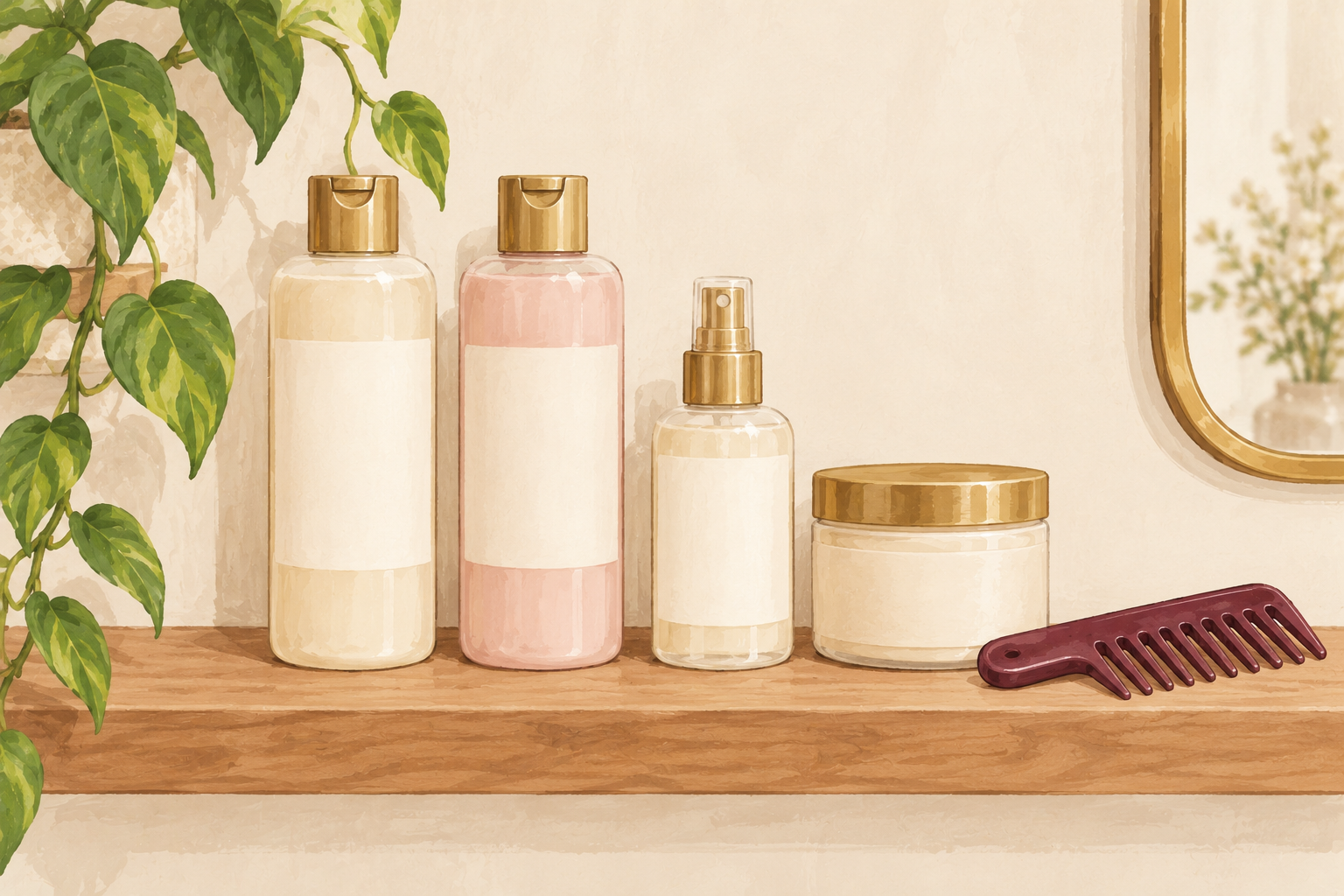
Finish the bottles you own before you add anything new. A cabinet full of half used products means none of them got a fair try. Most hair does well with a shampoo, a conditioner, a leave in and one weekly mask. Everything else is extra. Before buying, ask what problem it solves and whether you already have something that does the same job. A good routine is boring, steady and used often. Choose products by what your hair does, not by the pictures on the bottle. Your hair will thank you for the calm.
Complete the Routine: Hair Care Tips You Can Keep
Tonight, do numbers 1 to 4 on your next wash, then add one habit a week. Plenty of angles open up from here, so keep going with the guides below and see what else you might try.