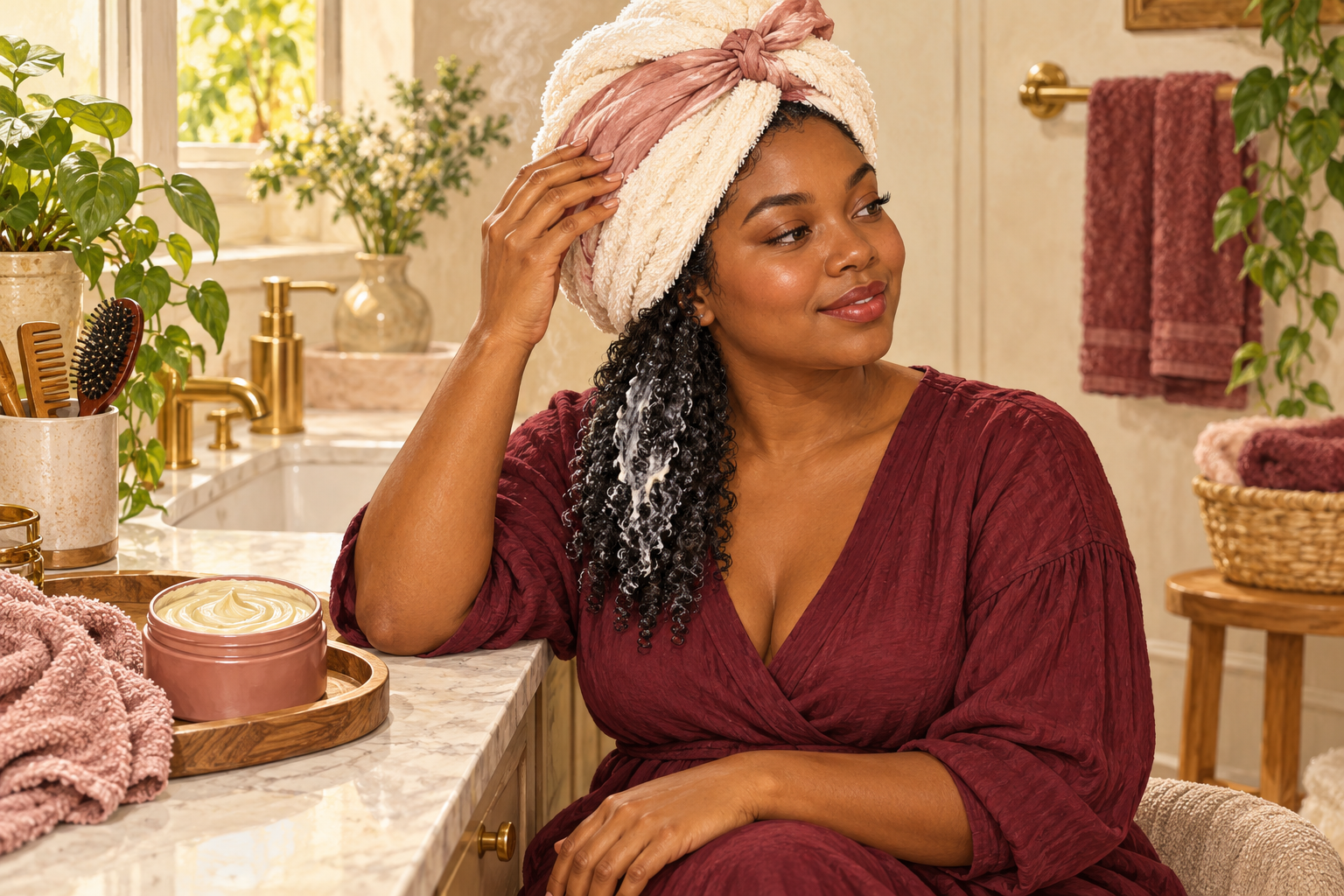
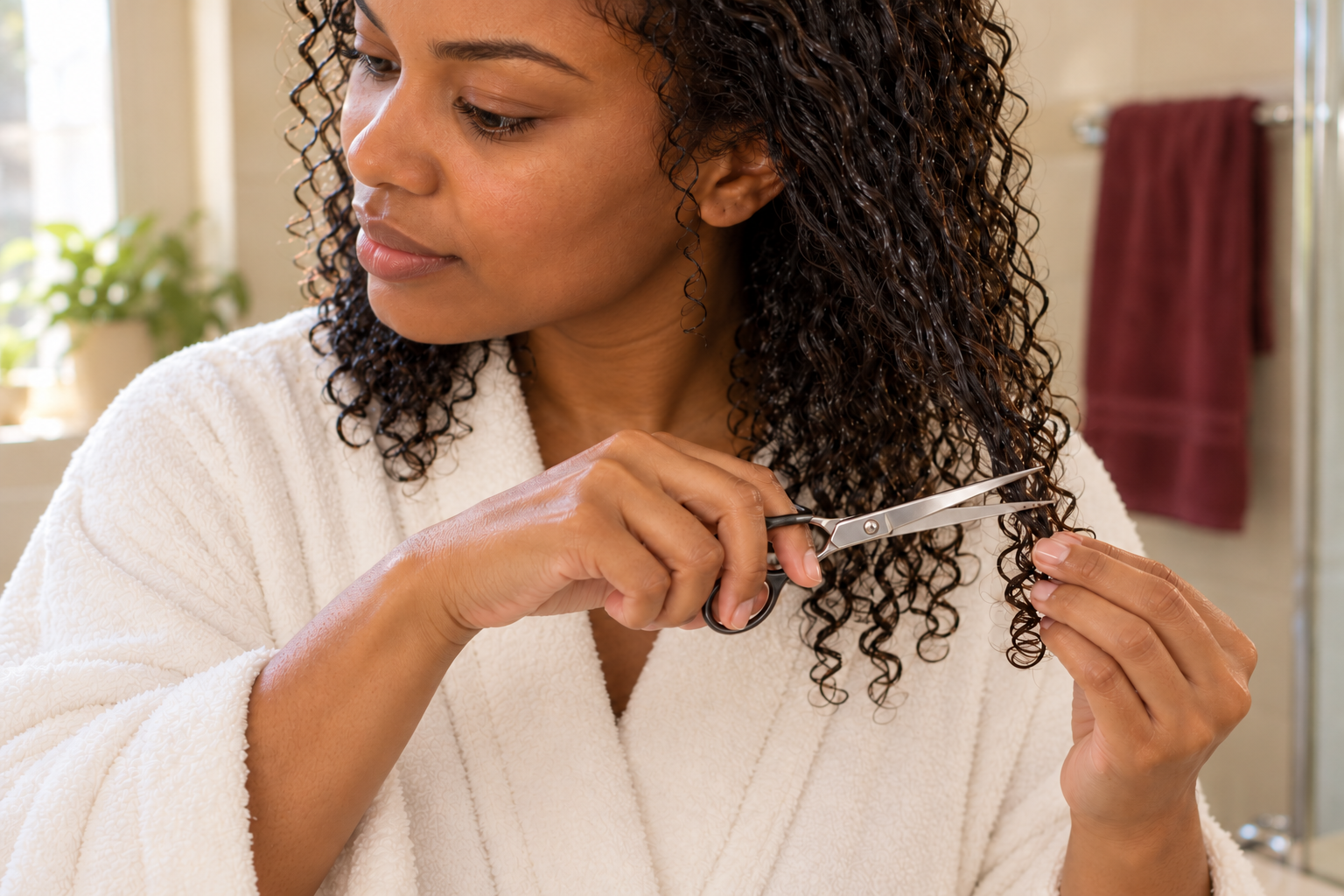
Your hair soaks up water in seconds, feels lovely in the shower, and is dry and frizzy again by afternoon. The moisture gets in fine, it just does not stay. High porosity hair care is all about keeping what you add. These 12 fixes seal the leaks one by one, so start at number one tonight.
1. Notice how fast your hair gets wet and dries
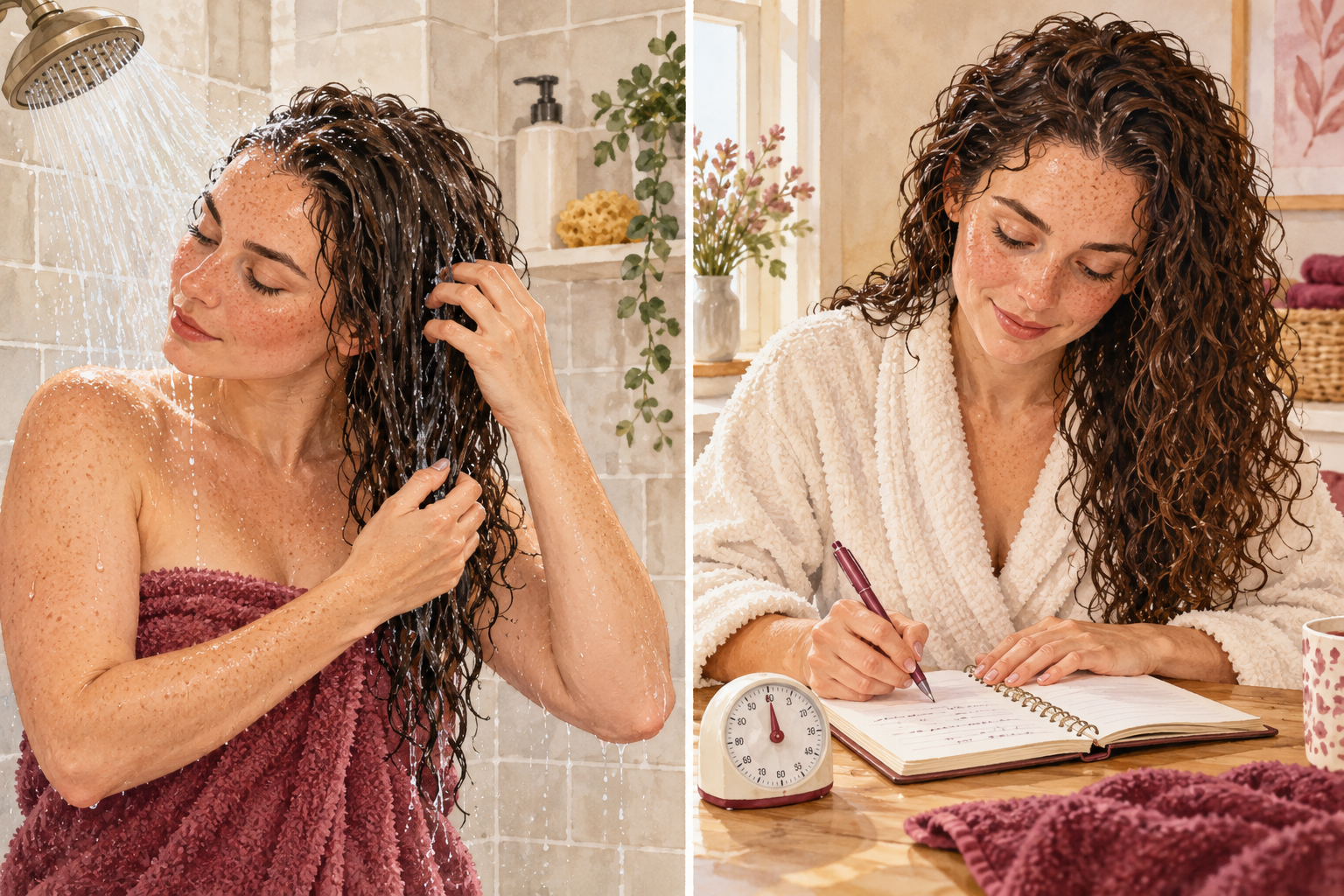
Time yourself next wash day: how quickly does water soak in, and how long until your hair is fully dry? High porosity hair drinks water almost at once and is often dry in under an hour of air. Low porosity hair does the opposite. Pay attention to how your strands feel when wet, too, since high porosity hair may feel rough or thirsty even when soaked. Write down the times, even if they look boring on paper. This small test tells you more than any label can, and it costs you nothing but a few minutes of watching. Repeat it after a month to see if your fixes are working.
2. Look for frizz, tangles and uneven color

Check your ends for the usual signs: frizz in dry air, tangles that come back within a day, and color that grabs unevenly. Dye can turn blotchy because the strand is open, so one patch drinks more than the next. Hair that tangles easily has a rough outer layer catching on itself. If you see these signs, your hair is likely high porosity, though heat, bleach and rough habits can also cause it. Do not blame yourself. Just look at the whole pattern, not a single clue. The signs tell you where to focus, and most of them improve with the right care.
3. Track how moisture lasts through the day

Feel your hair at breakfast, lunch and bedtime, and make a note of when it turns dry. If it feels soft after a wash and rough by midday, the moisture is leaking out. If it stays soft until evening, your routine is doing its job. Do this for a week, always using the same products. Your notes show whether a new step helps. Hair that goes dry in four hours needs a better seal. Hair that stays soft for a full day is ready for a lighter routine. Tracking turns guesswork into a clear picture you can act on.
4. Finish with a cool rinse
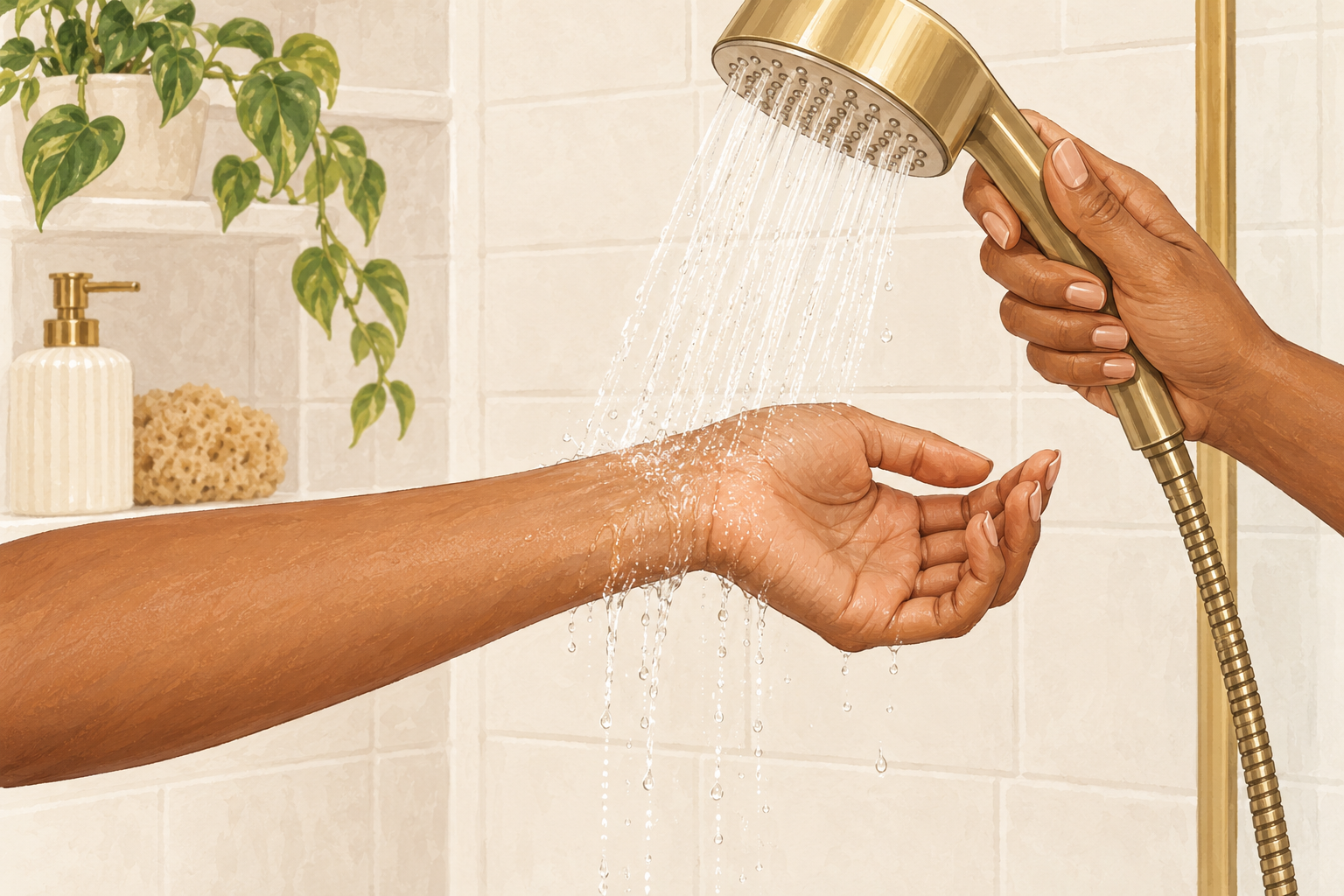
Rinse your hair with cool water for the last thirty seconds of every wash. Cool water helps the outer layer of each strand lie flatter, which keeps moisture in and makes hair smoother. Start with warm water to clean, then lower the temperature slowly. It will feel brisk, so breathe and count to thirty. Avoid very cold water if it hurts your head. The result is hair with more shine and fewer frizzy flyaways when it dries. It takes half a minute, which makes it an easy habit to keep even on your busiest wash days.
5. Add protein, but do not overdo it
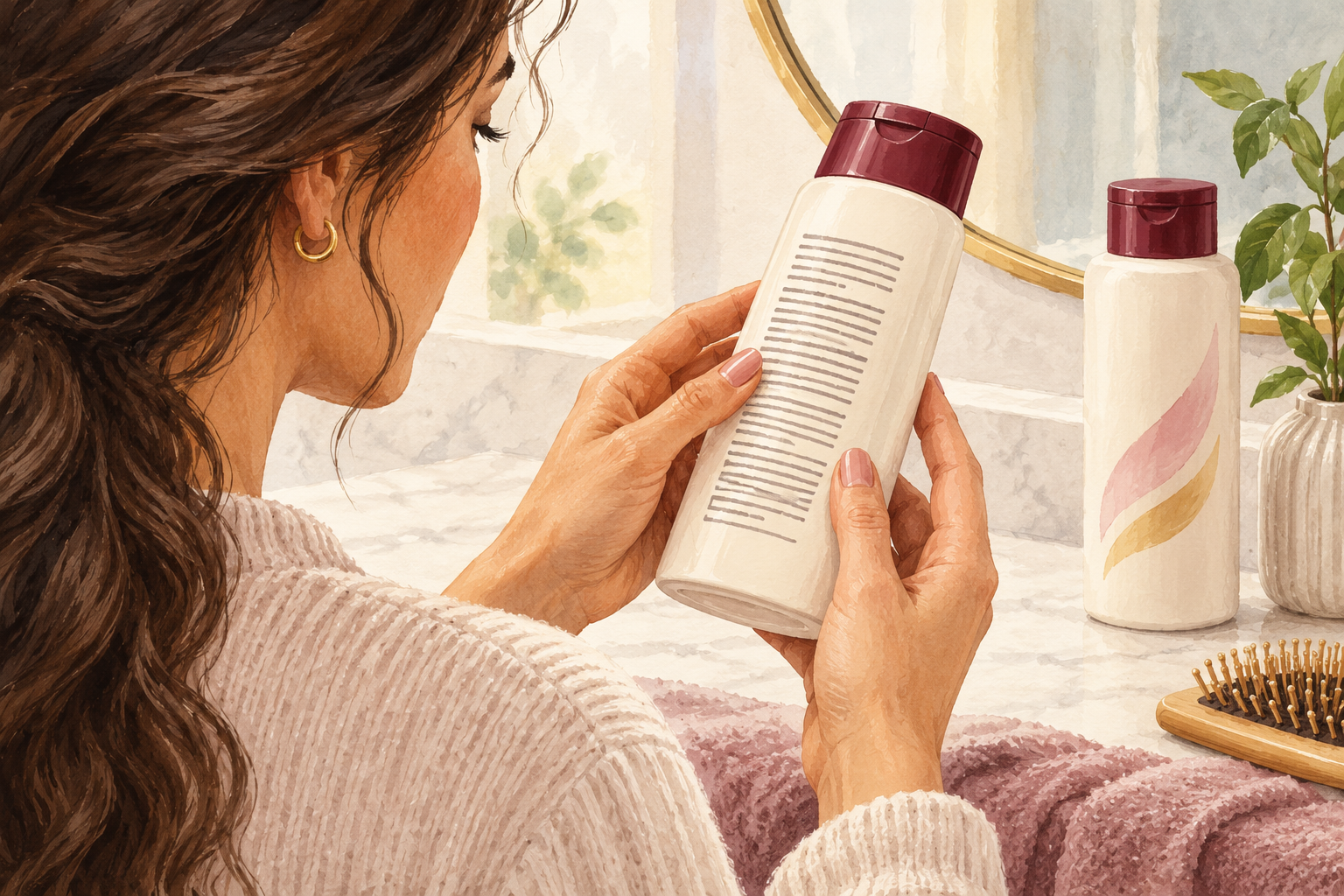
Use a protein treatment once every three to four weeks, and follow it with a moisture mask. Protein fills small gaps in the strand and makes hair feel stronger. Too much, and hair turns stiff, straw like and prone to snapping. Check by pulling a wet strand gently, and watch what it does, since mushy and stretchy hair wants protein, while stiff and snappy hair wants moisture. Leave the treatment on for the time on the label, never longer. If your hair feels dry or hard afterward, skip protein the next time. A small, regular dose works better than a heavy one.
6. Deep condition regularly with a rich formula

Put a thick, creamy conditioner on clean, damp hair every week and leave it on for twenty minutes. High porosity hair loses moisture quickly, so it needs frequent refills. Wrap your hair in a warm towel so the cream sinks in. Rinse with cool water so the strands close up. If your hair is very thirsty, add a second round in the middle of the week with a short ten minute soak. Look for words like butter and rich on the label, and skip anything light and airy. You will notice softer, bouncier hair that stays soft for longer.
7. Use the liquid, cream, oil order
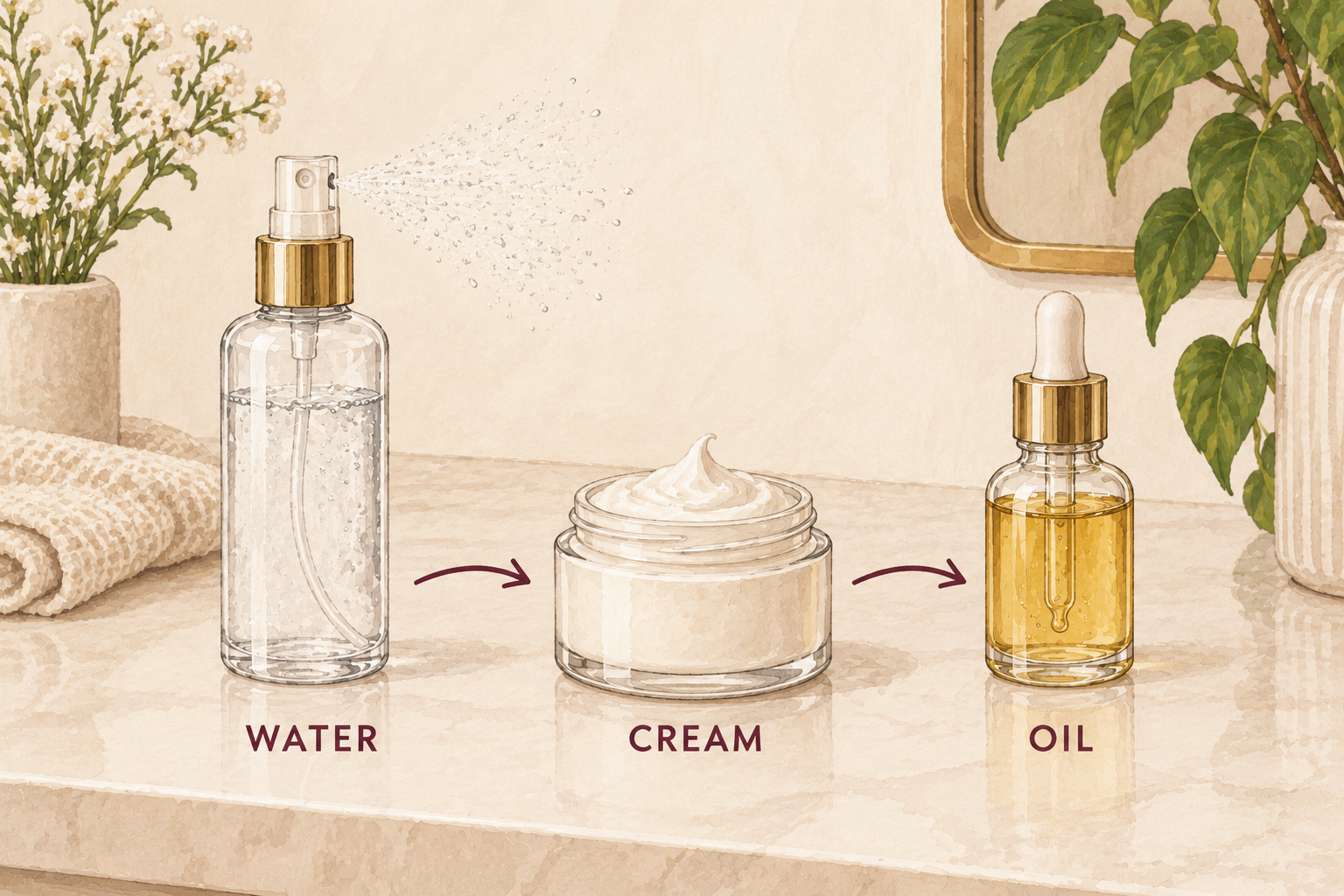
Layer water or a water based leave in first, then a cream, then a few drops of oil on top. The liquid brings moisture, the cream holds it, and the oil seals the lot. Do it on damp hair, working from the ends up. Use a coin of cream and about three drops of oil for medium length. If your hair feels coated or greasy, you used too much of the last two. High porosity hair needs all three layers, because one alone slips away. Keep the order the same each time, and your hair will start to hold its softness for a full day.
8. Seal with richer oils and butters
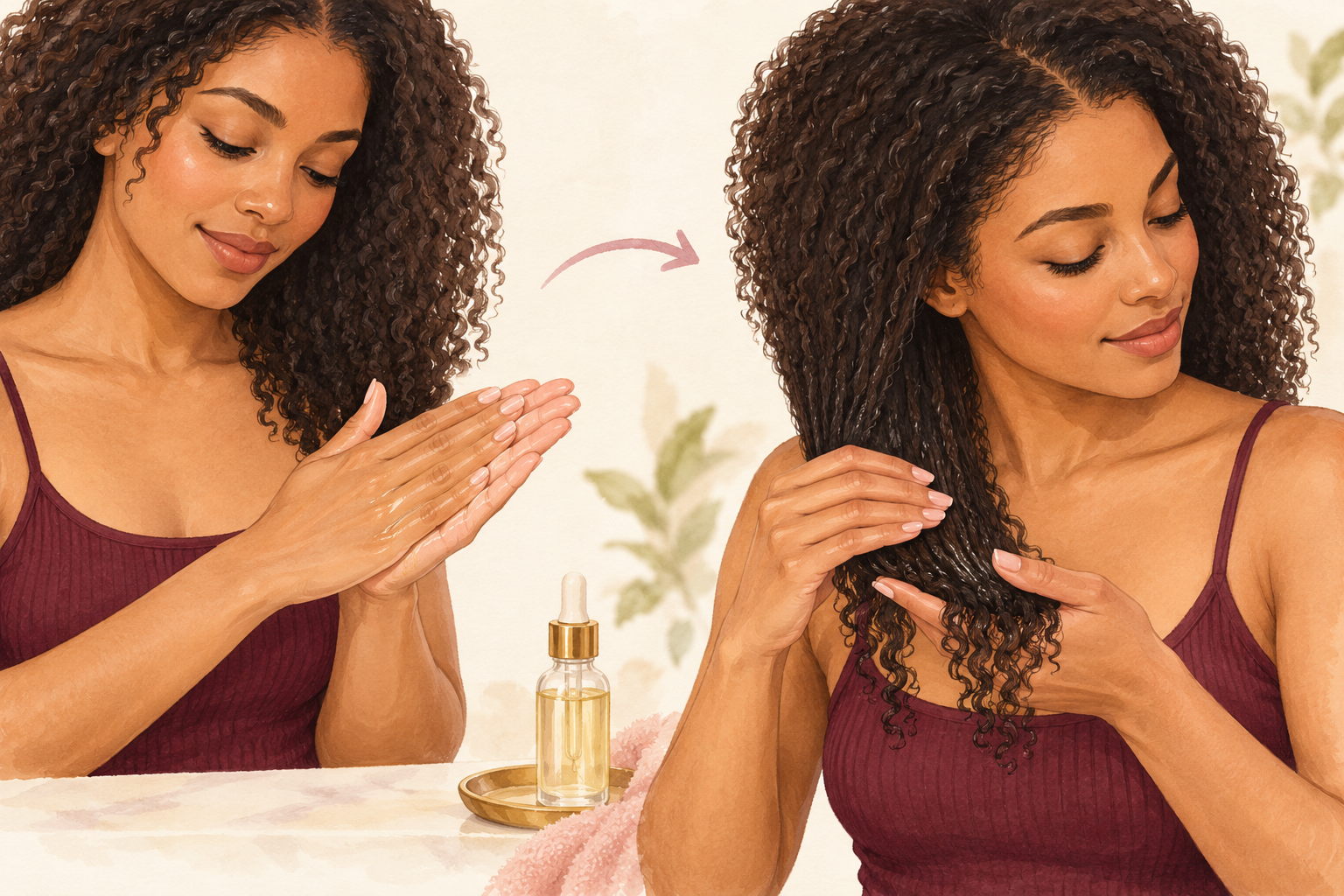
Choose heavier sealants, such as castor oil, shea butter or olive oil, to lock in the moisture. Light oils evaporate fast on open strands, while thick ones sit on the surface and slow the leak. Warm a small scoop of butter in your hands until it melts, then press it over the ends. Use only a pea sized amount for each section. If your hair looks greasy, wash with a gentle clarifying shampoo once a month. Heavy sealants work best on damp hair, and they keep it soft for days.
9. Lower the heat and protect every time
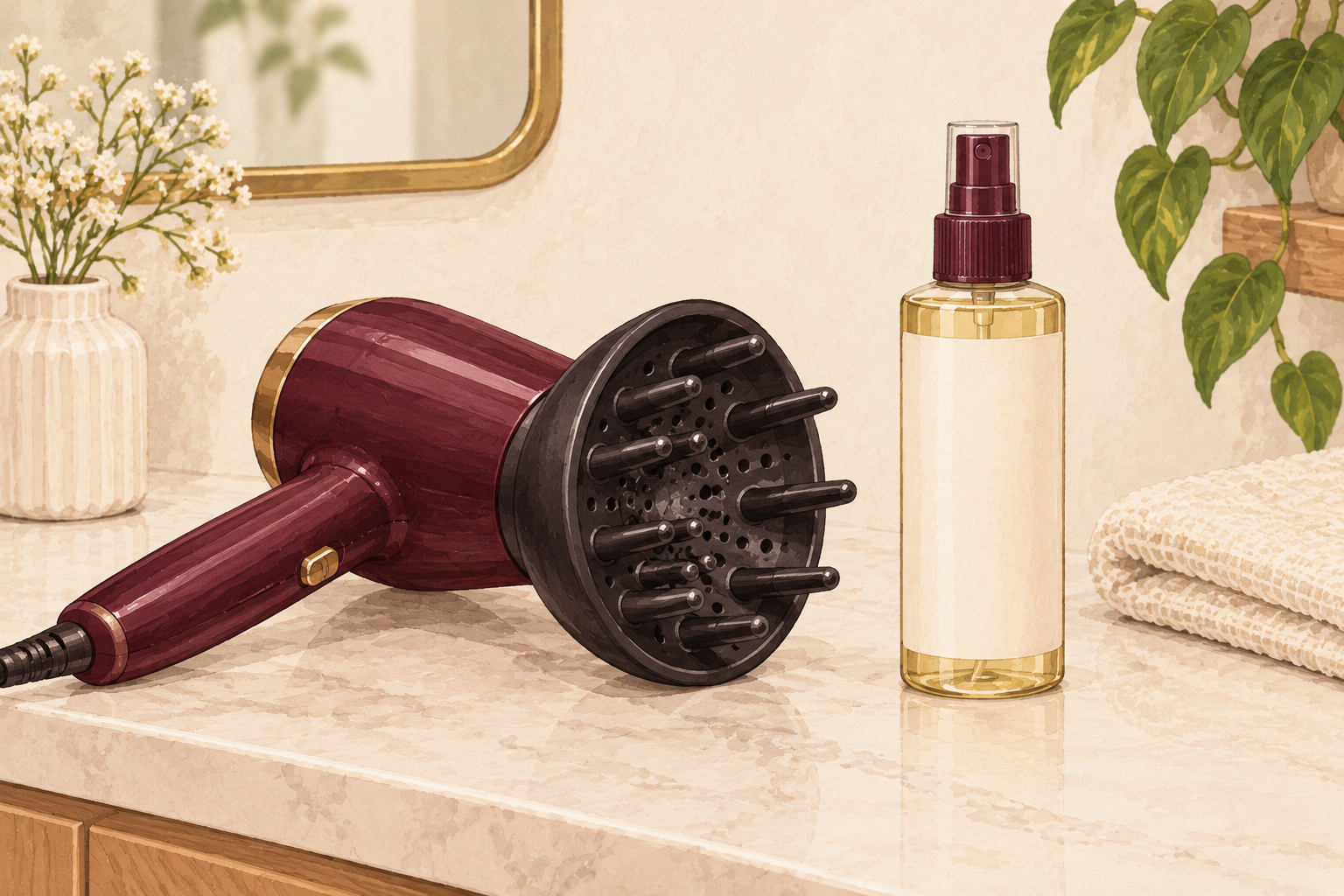
Set your tools to medium or lower and spray a protectant before every use. Heat opens the strand even more, and high porosity hair has little left to lose. Let your hair air dry most of the way, then finish with a short blast. Keep irons for special occasions, and go over each section once. Use a heat free style when you can, like a braid out or a twist out. If you must use heat, add a deep conditioner after. Your hair will tell you when you have done too much, as it feels rough, dry and tired. Keep heat for the odd special day, and give your hair a quiet week afterward.
10. Space out chemical treatments

Wait at least eight to twelve weeks between color, relaxers or bleach. Chemicals open the cuticle and raise porosity, and each round makes it worse. Give your hair a full deep conditioning treatment in between. If you color, choose the gentlest shade change you can, and avoid going lighter often. Do not overlap color on the lengths, and only touch up the roots. Do the lightest version of the look you want, and save the big change for later. The longer the gap, the more moisture your hair can keep, and the less snapping you will see on your pillow.
11. Cover with satin and moisturize first

Dampen your ends with a mist of water, add a bit of cream, then slip on a satin bonnet or sleep on a satin pillowcase. Cotton pulls moisture out of open strands all night. The bonnet holds the layers close, so they sink in while you sleep. Tie your hair into a loose braid or a pineapple first. Do not skip the moisture step, because a bonnet over dry hair only hides the problem. In the morning, your hair will feel softer and need less fixing. Wash your bonnet every week to keep it clean and fresh, and tuck any loose ends inside so they stay covered.
12. Detangle gently and avoid rough handling
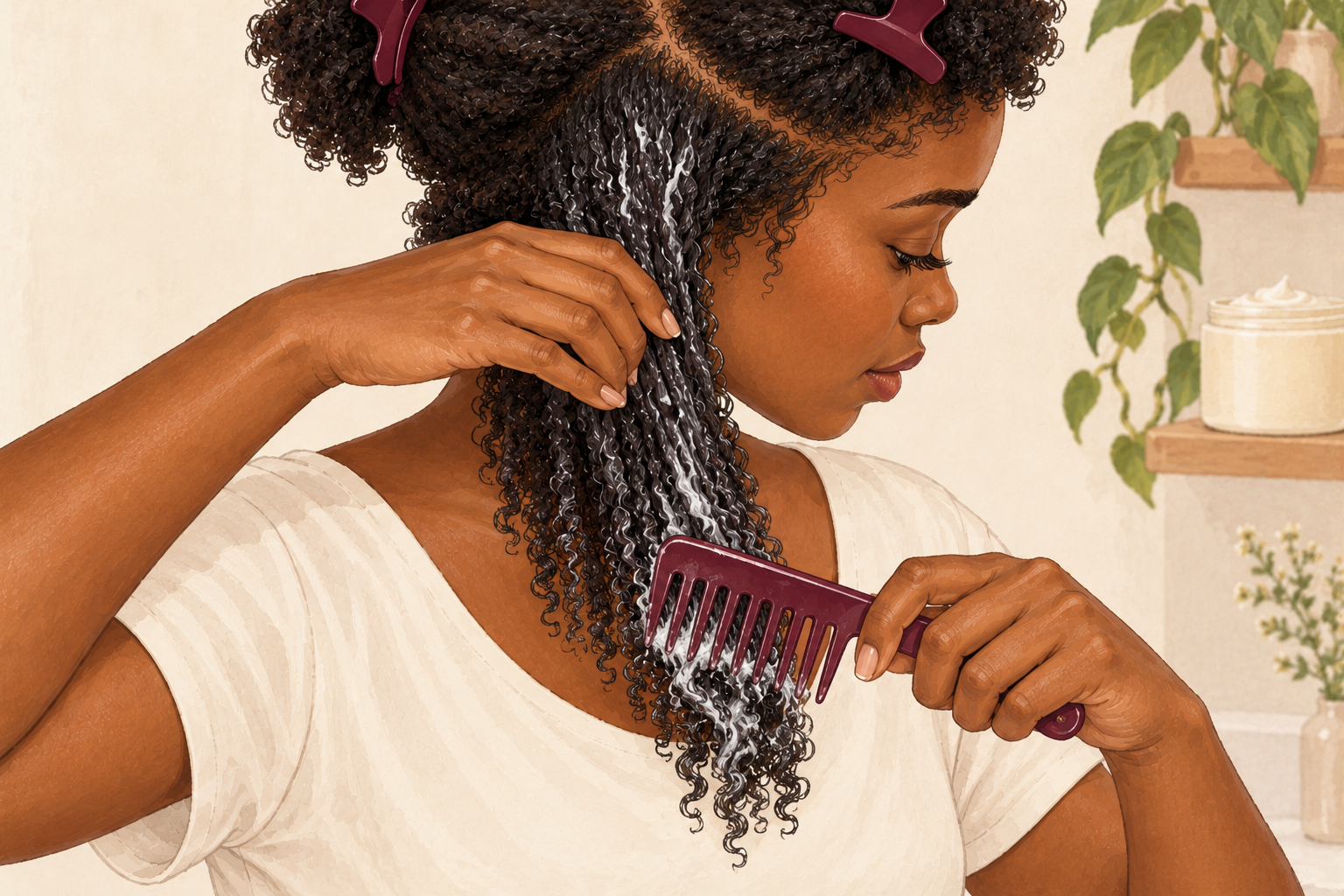
Work through knots with plenty of conditioner, starting from the ends and moving up. High porosity strands snag on each other, so rough pulling snaps them quickly. Use your fingers first, then a wide tooth comb. Work in small sections, and take your time. Avoid brushing dry hair, tight styles and rough towels. Pat with a soft shirt instead. Each time you handle your hair gently, you protect the moisture you put in. Over a month, you may see fewer broken bits and a softer feel. High porosity hair care is a slow win, and gentle hands are half of it.
Complete the Routine: High Porosity Hair Care You Can Keep
Start with the cool rinse and the liquid, cream, oil order on your next wash day. For the other side of the story, read low porosity hair care and curly hair care routine.